Boston's push toward window and installed heat pumps has more homeowners asking a practical question: how do I get one installed without getting burned? Heat pumps do double duty, heating in winter and cooling in summer, which makes them appealing as the region leans into cleaner, more efficient home comfort. But the value you get depends almost entirely on hiring the right licensed contractor and getting the sizing right.
This guide focuses on what Massachusetts homeowners and renters in the Greater Boston area actually need to do: verify licenses, understand who can legally touch the wiring and refrigerant, pull the correct permits, and avoid the common mistakes that turn a smart upgrade into an expensive headache.
Why heat pumps are worth the attention this summer
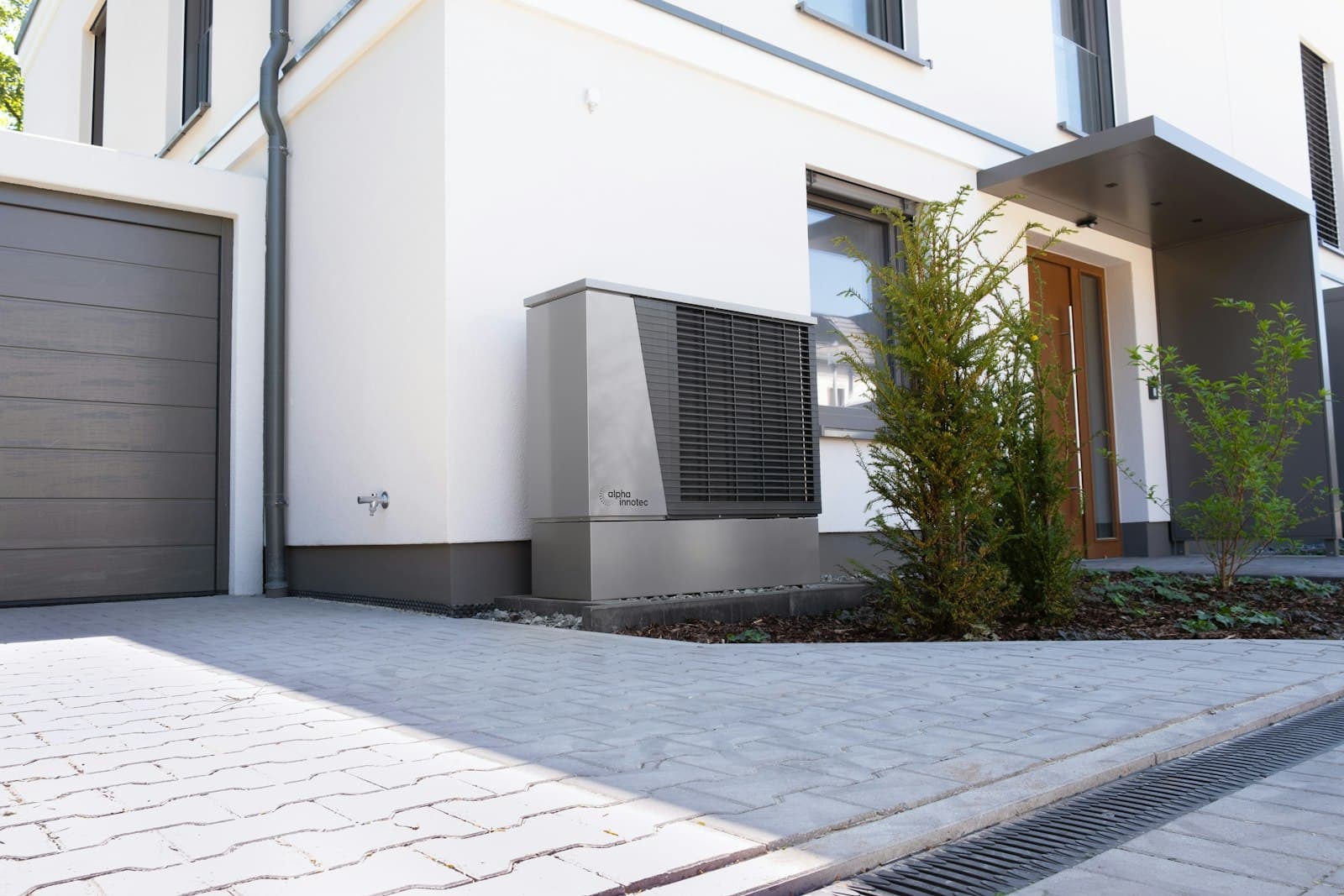
A heat pump is not just a heater. In cooling mode it works like a high-efficiency air conditioner, which is why interest tends to spike heading into a hot New England summer. For renters and homeowners weighing a window unit against a fuller system, the appeal is the same: one piece of equipment that handles both seasons.
The catch is that a heat pump is a bigger, more technical install than swapping a window AC. That means real trades, real permits, and real licensing requirements in Massachusetts.
Who is actually licensed to install a heat pump
Heat pump work almost always touches multiple trades, and Massachusetts licenses those trades at the state level. Before you sign anything, know who is supposed to be doing what.
- Refrigeration and HVAC technicians, plumbers, and gas fitters. The trade licensing boards, including the Board of State Examiners of Plumbers and Gas Fitters, sit under the Division of Occupational Licensure, which offers public license lookup for the trades.
- Electricians. Heat pumps often need a dedicated circuit, and electrical work in Massachusetts must be performed by a state-licensed electrician credentialed through the Board of State Examiners of Electricians.
- Home improvement contractor (HIC). If the job involves work on your home structure, the contractor should be registered under the state's Home Improvement Contractor program run by the Office of Consumer Affairs and Business Regulation.
Verify every credential before hiring. Massachusetts lets you check any professional license against the official registry using the state's how-to for verifying a license. Don't take a business card at face value.
Plumbing is licensed at the state level, and gas fitting is a separate credential.
That distinction matters: a contractor being licensed for one trade does not mean they're licensed for another. Confirm the specific credential for the specific work.
This is exactly the kind of legwork Tavlee, a Greater Boston contractor directory, is built to shortcut. It verifies contractor licenses against the state registry, so you can start with pros whose credentials have already been checked instead of chasing lookups one at a time.
Permits and inspections are not optional
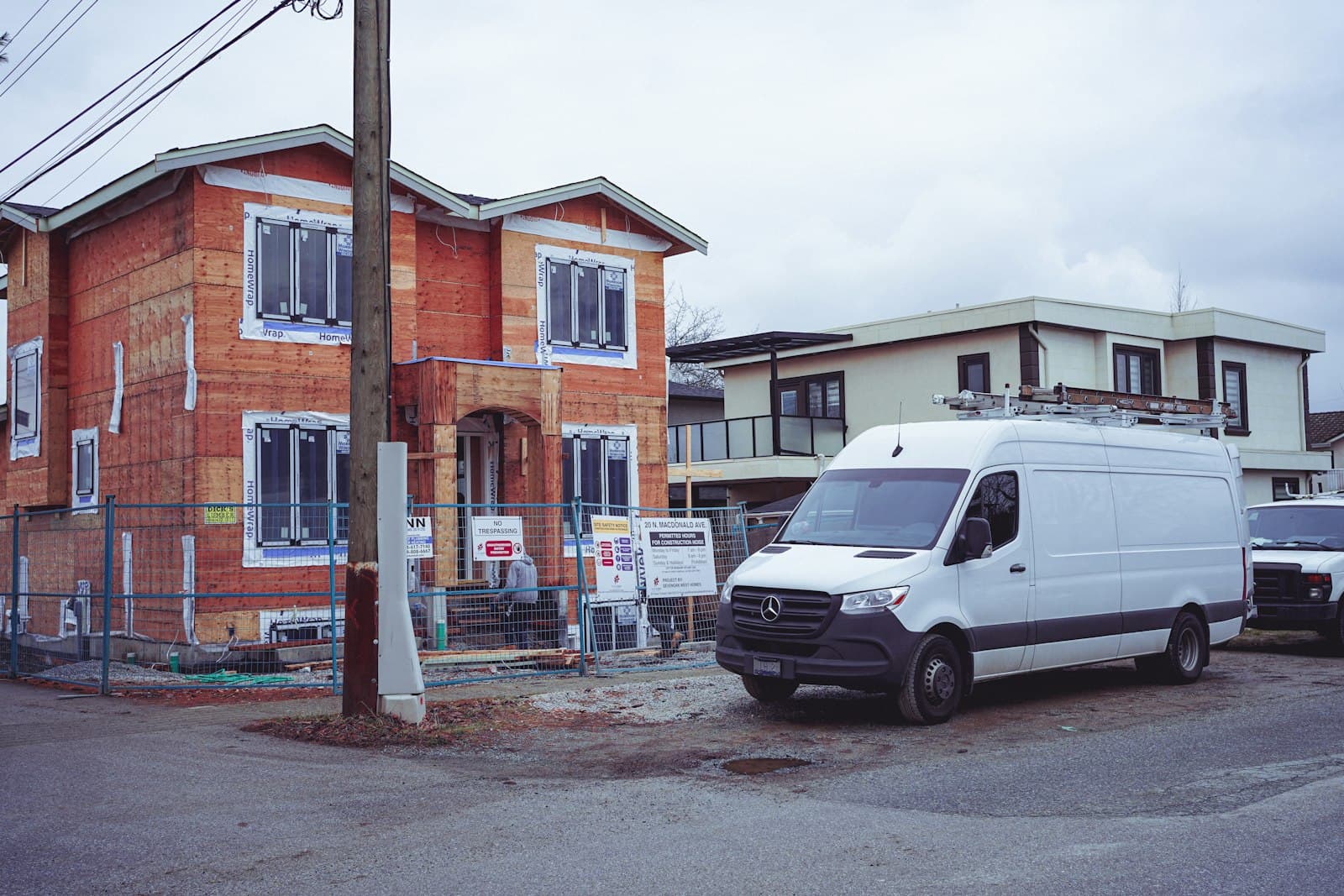
A proper heat pump installation in Boston involves permits. The Boston Inspectional Services Department issues building, plumbing, gas, and electrical permits and performs the inspections that follow renovation work in the city.
- A reputable contractor pulls the permits in their name and expects an inspection.
- Be wary of any installer who suggests skipping permits to save time or money.
- Permitted, inspected work protects you at resale and for insurance claims.
Get the sizing right
Sizing is where a lot of heat pump installs go wrong. Oversized equipment short-cycles and cools unevenly; undersized equipment struggles on the hottest and coldest days. A qualified HVAC technician should assess your home rather than guessing from square footage alone.
Ask your contractor to walk you through:
- A load calculation for your specific home, not a rule-of-thumb estimate.
- How the system handles both cooling and heating, since a heat pump does both.
- Electrical capacity, confirmed with a licensed electrician if a new circuit or panel work is needed.
Get the reasoning in writing so you can compare bids on more than price.
Contract protections every Massachusetts homeowner should use
Massachusetts home improvement law gives you specific protections. The state's overview of home improvement law under MGL c.142A covers HIC registration, contract requirements, deposit limits, and homeowner protections, and the OCABR program also administers a Guaranty Fund for eligible disputes with registered contractors.
Practical steps before you sign:
- Get a written contract with scope, materials, and a payment schedule tied to milestones.
- Mind deposit limits. State law sets rules on deposits; a demand for a large cash deposit up front is a red flag.
- Confirm HIC registration so Guaranty Fund protections may apply if a dispute arises.
- Keep records of permits, inspections, and every payment.
Red flags to watch for
Consumer-protection principles carry across trades. The federal Protect Your Move resource, aimed at hiring movers, is a useful reminder of universal warning signs: pressure to pay large sums up front, refusal to provide credentials, and quotes that seem too good to be true. Apply the same skepticism to any heat pump bid.
- No license number or an unwillingness to be verified.
- Cash-only demands or oversized deposits.
- No mention of permits or inspection.
- A vague, verbal-only scope of work.
Your next steps
A heat pump can deliver year-round comfort, but the payoff hinges on the install. To do it right:
- Verify credentials for every trade against the official Massachusetts registry.
- Insist on permits and inspections through Boston Inspectional Services.
- Demand a real load calculation before accepting any bid.
- Sign a compliant HIC contract that respects state deposit limits.
- Start from a verified list, such as Tavlee, to shorten the vetting process.
Do the homework once, and you'll have a system that keeps you cool this summer and warm next winter, installed by pros whose licenses you actually checked.