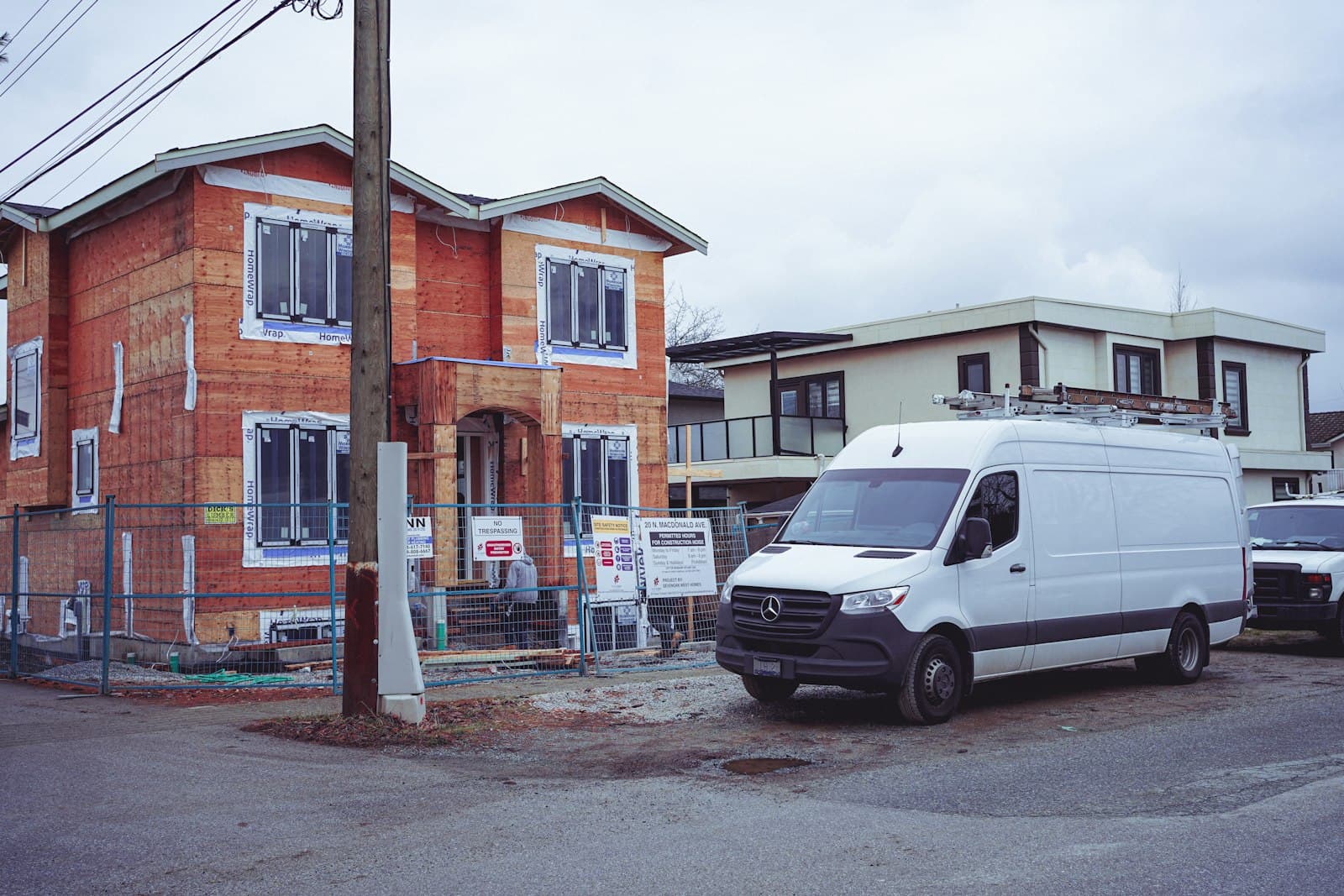
Across the country right now, homeowners dealing with storm damage, flooding, and everyday repair needs are losing thousands of dollars to contractors who disappear, do shoddy work, or never show up at all. The pattern is consistent enough that attorneys general in Illinois and Indiana, police departments in Kentucky and Mississippi, and federal agencies like Homeland Security Investigations have all issued warnings within the past few weeks. The common thread in nearly every case: homeowners hired someone without verifying insurance, bonding, or warranty terms first.
Understanding what those three things actually mean, and knowing exactly what paperwork to request, is one of the most practical steps you can take before signing anything.
Why Insurance, Bonding, and Warranties Are Not Optional
General Liability Insurance Protects Your Property
If a contractor damages your home during a job, their general liability insurance is what pays for it. Without it, you are left filing a claim on your own homeowner's policy, or pursuing the contractor in court, which is slow and often fruitless.
The Washington State case of Construction Kings makes this concrete. According to KIRO 7, Washington's Department of Labor and Industries suspended the Sumner contractor after more than 40 complaints and an investigation into more than $1 million in alleged fraud. One of the key findings: the contractor's insurance had expired and its bond had been cancelled. Homeowners who paid after the company submitted low bids were left with $1.19 million in total damages, with individual claims ranging from $2,800 to more than $200,000.
"This is one of the most egregious cases I've seen involving a registered contractor," said Melissa McBride, chief of L&I's Contractor Compliance Program. "We want to prevent more people from potential harm."
Expired insurance is not a technicality. It means there is no financial backstop if something goes wrong on your property.
Workers' Compensation Coverage Matters Too
If a worker is injured on your property and the contractor does not carry workers' compensation insurance, you could face liability. In the Construction Kings case, L&I also cited roughly $30,000 in unpaid workers' compensation insurance as part of the enforcement action. This is a real exposure for homeowners, not just a paperwork issue.
Bonding Gives You a Recovery Path
A contractor's surety bond is a financial guarantee that the contractor will complete the work as agreed. If they abandon the job or fail to meet contract terms, you can file a claim against the bond to recover losses. When a bond is cancelled, as it was with Construction Kings, that recovery path disappears.
Bonding requirements vary by state and trade. In Illinois, for example, the Attorney General's office notes that different license types are governed by different agencies, including the Department of Financial and Professional Regulation for roofers and the Department of Public Health for plumbers. Each licensing body typically has its own bonding requirements attached.
Workmanship Warranties Hold Contractors Accountable After the Job
A warranty is only as good as the contractor standing behind it. The NBC Connecticut investigation into a contractor identified as "Jason" found that six homeowners across Connecticut and Massachusetts paid for masonry, waterproofing, chimney, and foundation work that failed to fix their problems. According to NBC Connecticut Responds, phone numbers went dead and warranties were never honored.
"Don't believe the kindness. He's a manipulator, a liar," said Liz Pereira, a Millbury, Massachusetts homeowner.
NBC Connecticut also reported that Homeland Security Investigations described a rising pattern of similar activity in New England, and that fraud groups can be difficult to track because they "reinvent themselves" and move between states. A warranty from a contractor who has already moved on to a new company name in a new state is worthless.
The Red Flags That Signal Missing or Fake Coverage
Authorities across multiple states have identified consistent warning signs. Knowing them helps you filter out risky contractors before you hand over any money.
- Demanding large upfront or full cash payment. Gulf Coast officials flag this as a primary warning sign. Legitimate contractors typically accept staged payments tied to project milestones.
- Showing up unannounced after a storm. The NICB notes that unsolicited post-storm offers are a hallmark of fraud. As NICB President and CEO David Glawe put it: "After destructive storms, most families and businesses want to start the recovery process as soon as possible. This is when home and business owners must be most vigilant, as fraudsters use this opportunity to swoop in."
- Claiming FEMA approval or agency affiliation. Richmond Police specifically list this as a scam tactic. FEMA does not endorse individual contractors.
- Pressure to sign electronic documents quickly. Richmond Police also warn against contractors who rush homeowners to sign agreements before they can review the terms.
- Out-of-state contractors with no local track record. This does not automatically disqualify someone, but it warrants extra scrutiny on credentials.
- Unusually low bids. Construction Kings used low bids to win jobs before allegedly doing little or no work. A bid that seems too good to be true often is.
Exactly What Proof to Request Before Hiring
Asking for documentation is not rude. Any reputable contractor expects it. Here is what to request and how to verify it.
1. Certificate of Insurance
Ask for a current certificate of general liability insurance and workers' compensation coverage. The certificate should name you or your property as the certificate holder, and it should show policy expiration dates that extend through the expected completion of your project. Call the insurance company directly to confirm the policy is active. Do not rely solely on a document the contractor hands you.
2. Proof of Bonding
Ask for the contractor's surety bond number and the name of the bonding company. You can call the bonding company to verify the bond is current and has not been cancelled. In states with contractor registration systems, bond status is often visible in the state's public contractor lookup tool.
3. License Verification
Verify the license yourself through the relevant state agency. Illinois Attorney General Kwame Raoul specifically advised checking public adjusters through the Illinois Department of Insurance, roofers through the Illinois Department of Financial and Professional Regulation, and plumbers through the Illinois Department of Public Health. Every state has equivalent agencies. Do not take the contractor's word for it.
If you are in the Boston metro area, Tavlee is a contractor directory that verifies licenses against the state registry, which removes the guesswork from this step.
4. Written Workmanship Warranty
Get the warranty in writing, in the contract, before work begins. It should specify what is covered, for how long, and what the process is for filing a claim. A verbal promise means nothing if the contractor changes their phone number.
5. Permit Confirmation
Ask whether the work requires a permit and who will pull it. The contractor should pull permits in their own name. Construction Kings received citations for failing to obtain a work permit and for failing to properly supervise an electrical trainee, according to KIRO 7. Unpermitted work can create problems when you sell your home and may void your homeowner's insurance coverage for related claims.
How to Structure the Contract Itself
Multiple law enforcement agencies and attorneys general recommend the same contract basics.
- Get everything in writing. No blanks in the document. Richmond Police specifically advise against signing any contract with blank fields.
- Tie payments to milestones, not a calendar. Pay for completed, inspected work, not for promises.
- Do not pay in full until the job is done and inspected. This is consistent advice from officials in Illinois, Indiana, Kentucky, and Mississippi.
- Avoid cash and peer-to-peer payment apps. Illinois Attorney General Raoul flagged these specifically because they offer little recourse if something goes wrong.
- Understand your cancellation rights. In some states you have a right to cancel a contract within a set window. Know what applies where you live before you sign.
As Gulfport PD PIO Lt. Jason Ducre advised residents after the Gulf Coast flooding: "Take your time and do your research on the company and the person. Make sure that they are actually legit."
If Something Goes Wrong
If you believe you have been defrauded, you have several options.
- Contact local police and file a report. Gulf Coast officials noted that a police report is often necessary to pursue an investigation.
- Report to your state Attorney General's Consumer Protection Division. Indiana Attorney General Todd Rokita stated that his office stands ready to assist residents and hold scammers accountable.
- File a complaint with the NICB by calling (800) 835-6422 or submitting an online report, as Richmond Police recommended.
- Contact your state's contractor licensing board. In Washington, L&I's enforcement action against Construction Kings began with homeowner complaints. Forty-plus complaints led to a suspension and a referral for potential criminal prosecution.
The Bottom Line
Insurance, bonding, and workmanship warranties are not bureaucratic formalities. They are the financial safety net between you and a contractor who takes your money and disappears. The cases from the past few weeks, spanning Washington, Connecticut, Massachusetts, Illinois, Indiana, Kentucky, and Mississippi, all follow the same pattern: homeowners who skipped verification ended up with damaged property, empty bank accounts, and limited legal recourse.
Before you hire anyone, ask for the certificate of insurance, verify the bond, check the license yourself through the state registry, and get the warranty in writing inside a signed contract. If a contractor resists any of those requests, that is your answer.