Fall is the smart time to get ahead of your heating bills, and the best first move costs little or nothing: a home energy assessment. Think of it as the opening line of your fall budget. Before you shop for a heat pump or collect insulation quotes, an assessment tells you where your home actually loses energy and what to fix first.
For New England homeowners, the good news is that every state has a program built to get an energy specialist into your home, or onto a video call, and send you off with a clear plan. Here is what an assessment is, what usually gets handled on the spot, why the order of upgrades matters, and where to book.
What a home energy assessment actually is
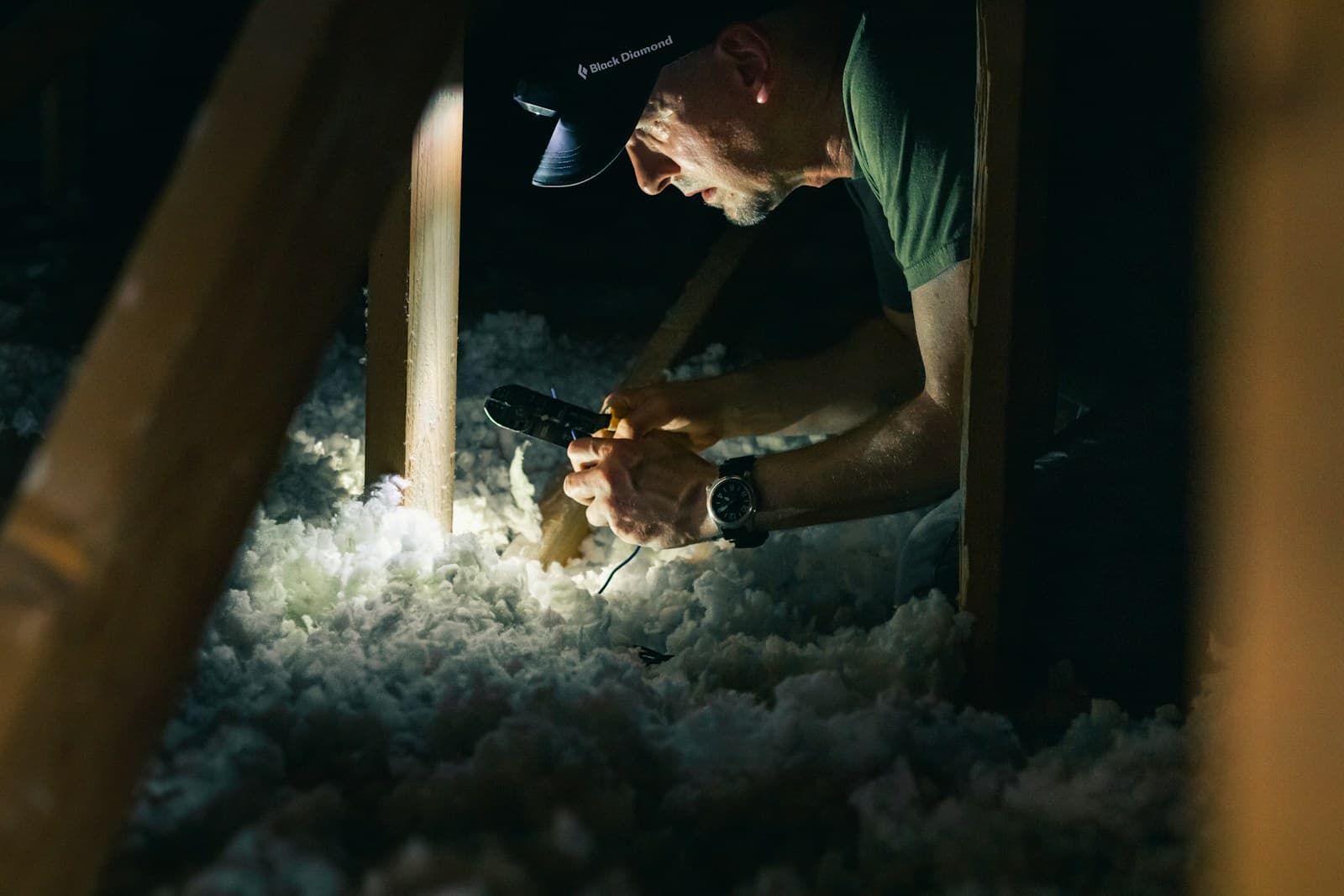
A home energy assessment is a walkthrough of your house by a trained energy specialist who looks at how your home uses and loses energy. They check insulation levels, hunt for air leaks around windows, doors, and the attic, review your heating and cooling equipment, and look at lighting and hot water use.
The visit usually ends with two things: a prioritized list of recommended improvements and, in most programs, a batch of energy-saving products installed right then and there.
What often gets installed on the spot
One of the most satisfying parts of an assessment is that you rarely leave empty-handed. Depending on your program and your home, the specialist may install:
- LED light bulbs
- A smart or programmable thermostat
- Water-saving devices such as low-flow showerheads and faucet aerators
- Advanced power strips that shut down idle electronics
- Air sealing around common leak points
These are quick wins. They start saving money immediately and set the stage for the bigger projects.
Why the order matters
Here is the part that saves real money: sequence your upgrades.
- The assessment - free or close to it, with on-the-spot installs.
- Insulation and air sealing - heavily discounted through the efficiency programs.
- Heating and cooling upgrades - heat pumps and related equipment, backed by rebates.
A tighter, better-insulated home loses less heat, so it can be heated and cooled with smaller, less expensive equipment. Install the heat pump before you weatherize and you may pay for capacity a properly sealed home would never need.
Where to book in your state
The idea is the same across New England. The program name and the price are what change.
Massachusetts. Mass Save offers a no-cost Home Energy Assessment, and the report opens the door to its insulation and weatherization offers. It is also the required first step for weatherization on the path to the 2026 heat pump rebate, so booking early keeps your options open.
New Hampshire. NHSaves provides a no-cost energy assessment for electric and gas utility customers, leading into Home Performance with ENERGY STAR weatherization incentives.
Rhode Island. Rhode Island Energy offers a no-cost Home Energy Assessment, with direct installs during the visit and insulation incentives afterward.
Connecticut. The Energize Connecticut Home Energy Solutions assessment carries a $40 copay as of April 1, 2026. Participants receive products and services valued at about $1,000 on average, including up to seven hours of air sealing at no extra cost, and income-eligible households can qualify for a no-cost visit.
Maine. Maine works a little differently: instead of a free in-home visit, Efficiency Maine puts its support into income-tiered rebates for insulation and air sealing, plus heat pump rebates, delivered through registered vendors. Your first step is a conversation with one of those vendors.
Vermont. Efficiency Vermont offers a free Virtual Home Energy Visit by video chat. It takes about an hour and a half and ends with a personalized list of next steps, which makes it an easy way to start from your kitchen table.
How the numbers line up in a fall budget
- Free or nearly free: the assessment itself, plus on-the-spot installs like LEDs, thermostats, and water-saving fixtures.
- Discounted: insulation and air sealing through your state's efficiency program.
- Rebated: heat pumps and electrification, best pursued once the weatherization is done.
The order is the whole point. A well-sealed, well-insulated home lets you buy a smaller heating and cooling system and get more out of every rebate dollar.
Finding the right local pro for the follow-up work
Once your report points you toward insulation, air sealing, or an HVAC upgrade, you will want a great local contractor to carry it out. That is where Tavlee helps: it is an easy way to find and research local insulation, weatherization, and HVAC contractors, compare their reviews, and move forward with confidence. A quick license check before you sign is a simple, five-minute confidence-builder.
Your next steps
- Book your assessment or virtual visit through your state's program.
- Say yes to the on-the-spot installs and read your report closely.
- Weatherize first with insulation and air sealing.
- Layer in heat pump rebates last, once your home is sealed and insulated.
- Line up a few local pros and compare reviews and licensing before you sign.
Start with the visit, follow the sequence, and you will head into winter with a warmer home and a smarter budget.