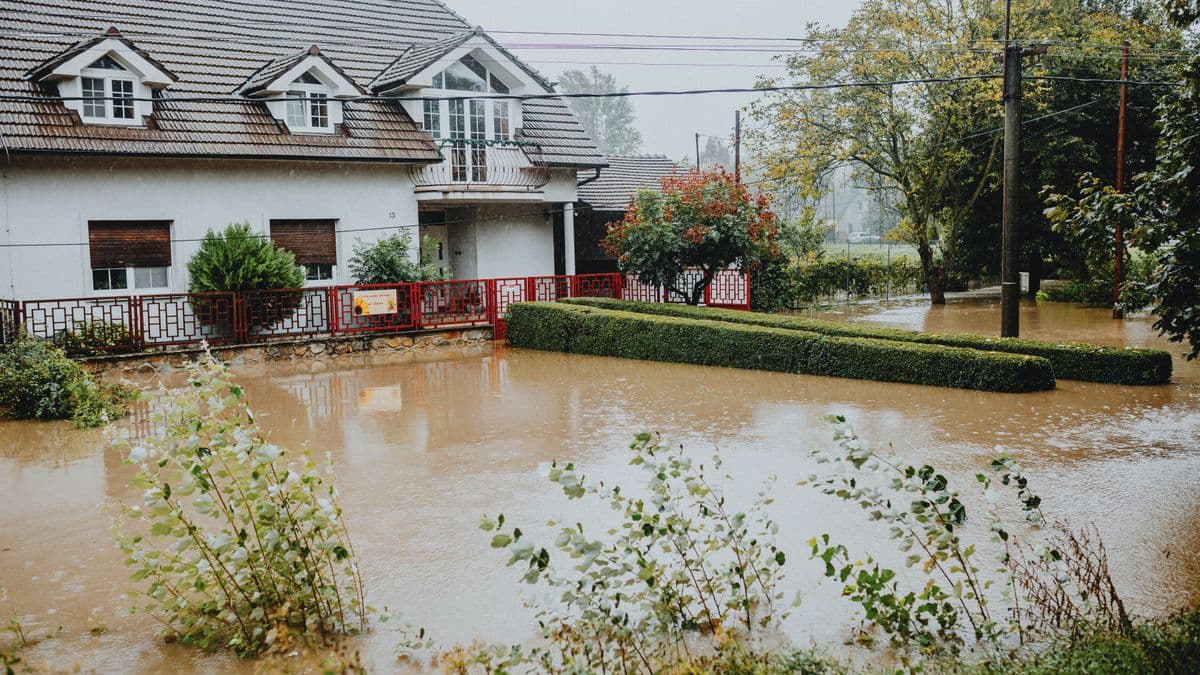
Flooding leaves homeowners desperate for fast repairs, and that desperation is exactly what scammers count on. Across the Gulf Coast, Kentucky, Indiana, Illinois, and beyond, officials are sounding the same alarm this summer: fraudulent contractors are moving into storm-damaged neighborhoods, collecting large payments, and disappearing before finishing a single job. If you are rebuilding after a flood, understanding how these scams work is the most important thing you can do before you hand anyone a dollar.
Why Post-Flood Scams Are Surging Right Now
The timing is not a coincidence. After the historic flooding that hit the Gulf Coast last week, Gulfport officials are already warning residents that fake contractors are circling neighborhoods with promises of quick fixes. In Kentucky, Richmond Police issued a similar warning on June 30, noting that fraudulent activity tends to spike immediately after a flood emergency. Indiana saw the same pattern after destructive tornadoes and flooding in June, with the state Attorney General's Office warning that predatory "storm chasers" were already targeting damaged counties.
The National Insurance Crime Bureau put it plainly after severe weather tore through northern Illinois in June:
"After destructive storms, most families and businesses want to start the recovery process as soon as possible. This is when home and business owners must be most vigilant, as fraudsters use this opportunity to swoop in." - NICB President and CEO David Glawe, via Roofing Contractor
The urgency you feel after a flood is real. Scammers know that, and they use it against you.
The Red Flags Every Flood Victim Needs to Know
They Show Up Uninvited
Legitimate contractors do not typically canvass storm-damaged neighborhoods door to door. Illinois Attorney General Kwame Raoul warned residents to "be wary of any individual who solicits home repair or insurance adjusting services door to door." An unsolicited knock after a flood is a warning sign, not a convenience.
They Demand Large Upfront Payments
This is the single most consistent red flag across every official warning issued this summer. Scammers need your money before you can evaluate their work. Richmond Police specifically listed upfront payment demands as a top warning sign, and Gulfport PD PIO Lt. Jason Ducre echoed the same concern. A reasonable contractor will accept a deposit, but demanding full or near-full payment before work begins is a serious problem.
The Flagler County case from Florida illustrates exactly how this plays out. A St. Augustine contractor named Michael Struhar allegedly took $40,000 from a Palm Coast couple for renovations that were never completed. Deputies said he showed up once, painted a single wall, and stopped responding entirely. Bank records reportedly showed the money went to cash withdrawals, Zelle transfers, and an online auction site for signed baseball cards - none of it to materials for the couple's home.
"This contractor's version of 'if you build it, he will come' was build nothing, take the cash, and buy baseball cards," said Flagler County Sheriff Rick Staly.
They Claim FEMA Approval or Agency Backing
Richmond Police warned that scammers frequently claim to be approved by FEMA or other government agencies. FEMA does not endorse or certify private contractors. Indiana officials also reminded residents that FEMA does not charge application fees for federal disaster aid - anyone asking for a fee to help you apply is running a scam.
They Pressure You to Sign Quickly
Electronic documents, verbal agreements, contracts with blank fields - these are tools scammers use to lock you in before you can think clearly. Richmond Police specifically flagged pressure to quickly sign electronic documents as a warning sign. Never sign anything with blank spaces, and never let anyone rush you through a contract.
They Come From Out of State With No Local Track Record
Out-of-state contractors are not automatically fraudulent, but Richmond Police listed them as a warning sign worth scrutinizing. A contractor with no local license, no local references, and no verifiable history in your state is much harder to hold accountable if something goes wrong.
They Seem Unusually Charming or Trustworthy
This one is harder to spot, but it matters. An NBC Connecticut Responds investigation profiled six homeowners in Connecticut and Massachusetts who all hired the same contractor - identified as "Jason" - and all described him as charming and trustworthy before he left behind damaged property and unpaid warranties. One homeowner, Liz Pereira of Millbury, Massachusetts, put it bluntly:
"Don't believe the kindness. He's a manipulator, a liar."
Homeland Security Investigations told NBC Connecticut that this kind of pattern has been rising across New England, and that fraud groups are difficult to track because they "reinvent themselves" and move between states.
What to Do Before You Hire Anyone
Verify the License Before You Talk Money
Every state maintains a public registry of licensed contractors. In Illinois, Attorney General Raoul noted that public adjusters are licensed by the Illinois Department of Insurance, roofers by the Illinois Department of Financial and Professional Regulation, and plumbers by the Illinois Department of Public Health. Your state has equivalent agencies. Look up the contractor's license number before any conversation about price or timeline.
A directory like Tavlee can help here - it verifies contractor licenses against the state registry so you are not doing that research from scratch after a stressful flood.
Get Multiple Written Estimates
Every official warning issued this summer - from Gulfport, Richmond, Indiana, and Illinois - includes this step. Multiple estimates give you a realistic price range and make it obvious when someone is bidding unusually low to win your business fast. NICB advises getting all work details in a written contract before any work begins.
In Illinois, the Home Repair and Remodeling Act requires written contracts for repair or remodeling work over $1,000. Even if your state does not have that specific requirement, a written contract protects you everywhere.
Call Your Insurance Company First
Richmond Police and NICB both recommend contacting your insurance carrier before starting any repairs. Your insurer can guide you on what is covered, recommend vetted contractors, and protect you from signing agreements that could complicate your claim.
Check References and Reviews - Carefully
Gulfport PD Lt. Ducre advised residents to research reviews and verify credentials before handing over money:
"Storm repair can be stressful as it is and if you rush into it, it can make a bad situation even worse. So, you want to verify. You want to do your research before handing someone a lot of money... Make sure they are legit, make sure their reviews are good."
Be aware that reviews can be faked. Look for patterns across multiple platforms, check for responses to negative reviews, and ask for references you can actually call.
Never Pay in Full Until the Work Is Done and Inspected
Richmond Police and Indiana officials both stress this point. Withhold final payment until you have walked through the completed work and confirmed it meets the terms of your contract. Avoid cash and peer-to-peer payment apps like Zelle for large transactions - the Flagler County case showed exactly how quickly that money can disappear.
Watch for Permit Red Flags
The Washington State case involving Construction Kings is a useful reminder of what happens when permits are ignored. Washington's Department of Labor and Industries suspended the contractor after more than 40 complaints and more than $1 million in alleged damages, citing repeated electrical code violations including failing to obtain work permits. L&I's Melissa McBride called it "one of the most egregious cases I've seen involving a registered contractor."
Always ask whether a permit is required for your job, and verify with your local building department that one was actually pulled.
If You Think You Have Been Scammed
Act quickly. The longer you wait, the harder it is to recover money or build a case.
- Contact local police. Gulfport PD and Richmond Police both say to file a report immediately. An investigation can sometimes catch scammers before they move on.
- Report to the NICB. You can call (800) 835-6422 or submit an online report. Richmond Police noted that a local NICB representative was already sharing anti-fraud materials in preparation for post-flood scams.
- Contact your state Attorney General's Consumer Protection Division. Indiana, Illinois, and other states have active complaint channels. Indiana AG Todd Rokita stated that his office "stands ready to assist Hoosiers and hold scammers accountable."
- Notify your state's contractor licensing board. In Washington, it was homeowner complaints to L&I that eventually triggered the suspension of Construction Kings.
The Bottom Line
Post-flood scams follow a predictable script: urgency, charm, a low price or a claim of leftover materials, a demand for upfront cash, and then nothing. The best defense is slowing down when every instinct tells you to move fast. Verify the license, get it in writing, call your insurer, and do not pay in full until the job is done.
If you are starting your search for a contractor after storm damage, a verified directory like Tavlee - which checks licenses against the state registry - is a practical first step before you talk to anyone who shows up at your door.