A ruptured water main can turn an ordinary street into a hazard zone in minutes. That is exactly what unfolded in West Hollywood this week, and while it happened on the other side of the country, the story carries direct lessons for Greater Boston homeowners about aging pipes, flood damage, and how to hire the right help afterward.
What Happened in West Hollywood
Los Angeles Department of Water and Power (LADWP) crews spent Friday working to repair a ruptured trunk line after the break flooded a West Hollywood neighborhood the day before, according to the Daily News. The break opened around 3 a.m. on Thursday, July 16, 2026, near Sunset at Holloway Drive.
The scale of the damage is what stands out. The Daily News described a:
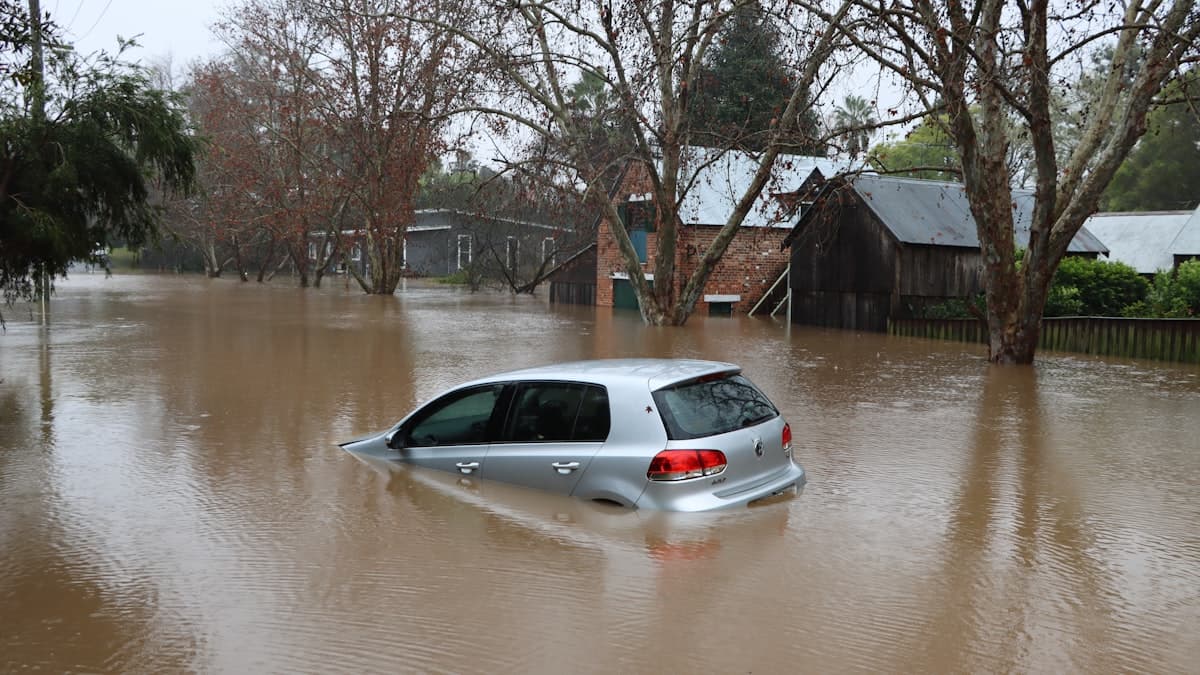
Ruptured main that turned streets in West Hollywood into raging rivers that opened sinkholes, pushed around cars and flooded garages while shifting massive chunks of asphalt and concrete slabs.
The culprit was old infrastructure. Crews worked around the clock, using backhoes to expose the broken section of a circa 1916, riveted-steel, 36-inch-wide trunk line, then set about removing and replacing the pipe. A pipe more than a century old failing under pressure is not a freak event. It is a symptom of infrastructure that has quietly outlived its design life.
Why Boston Homeowners Should Pay Attention
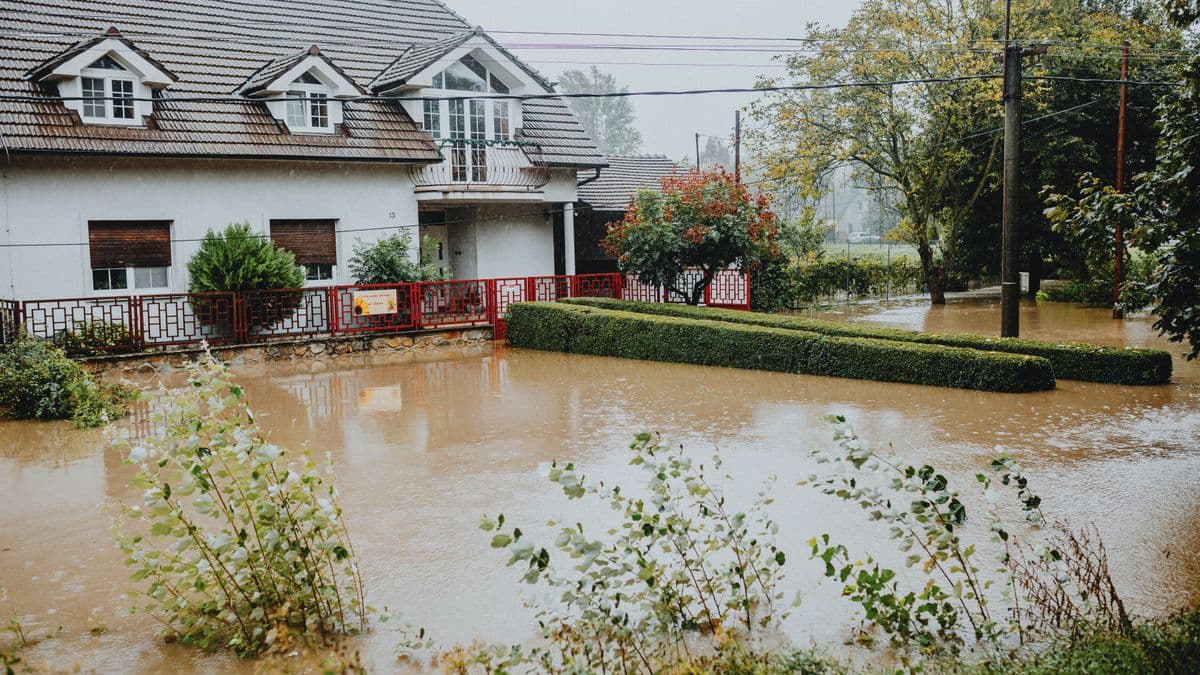
Greater Boston has plenty of its own aging pipes and older housing stock, so the underlying risk is familiar. Sudden water intrusion, whether from a municipal main, a storm, or a failure inside your own home, creates the same problem: standing water, saturated materials, and a narrow window to prevent lasting damage.
When water gets into garages, basements, and walls, the clock starts immediately:
- Mold can begin developing in wet materials within a day or two.
- Structural materials like drywall, insulation, and subflooring absorb water and lose integrity.
- Electrical and utility systems can become unsafe when flooded.
The West Hollywood event also showed how flooding damages more than buildings. The Daily News reported sinkholes opening and cars being pushed around, a reminder that the ground itself can shift when water tunnels beneath pavement.
The Storm-Chaser Problem After Any Flood
Here is the pattern that repeats after every high-profile flood: contractors flood the affected area looking for fast, easy work. Some are legitimate. Others are storm chasers who show up unannounced, pressure homeowners into signing on the spot, take deposits, and either disappear or do substandard work.
That risk is exactly why licensing matters. The value of a verified license comes through in an unrelated but instructive announcement from Sydney, where 24 Seven Emergency Plumbing emphasized round-the-clock licensed coverage. Their spokesperson framed the core homeowner concern clearly:
When a pipe bursts at 2am or a hot water system fails on a Sunday morning, people need to know that the person turning up at their door is properly licensed and equipped to do the job safely.
The company also warned that unlicensed work can void insurance, fail compliance checks, and create safety risks. Those consequences apply just as much in Massachusetts as in New South Wales.
How to Hire Water-Damage Cleanup Contractors the Right Way
If water gets into your home, act quickly but do not skip the vetting. Use this sequence:
- Stop the source and document everything. Shut off water where you safely can, then photograph and video the damage before removing anything for insurance purposes.
- Verify the license first. Confirm the contractor is licensed and that the license is active and valid in your state before signing anything. This is where Tavlee, the Greater Boston directory that checks contractor licenses against the state registry, helps homeowners screen out fly-by-night operators before they get in the door.
- Check ratings and verified reviews. Look for a track record of completed jobs, not just a truck and a business card.
- Get the scope in writing. A legitimate water-damage firm will detail extraction, drying, mold remediation, and any structural repairs before starting.
- Refuse pressure tactics. Anyone insisting on a large cash deposit or a same-minute signature is a warning sign, not a bargain.
Why Bundled Restoration Can Help
Some firms handle both the immediate plumbing crisis and the resulting structural damage. Crown Plumbing & Water Damage Restoration, describing its own model, noted that handling both with a single provider "significantly reduces the stress and complexity families face during recovery," said Jeremy Newman of the company. The principle is sound: fewer handoffs mean fewer gaps where damage worsens between contractors.
Aging Pipes Are a Nationwide Theme
West Hollywood is not an isolated case. Across the country, older buried infrastructure is failing and forcing expensive fixes.
- In Haverhill, Massachusetts, officials are weighing next steps after a 42-inch force main break discharged millions of gallons of untreated sewage into the Merrimack River. The city is running on a temporary bypass while a permanent fix is still needed.
- Detroit launched a $184 million federally funded effort to repair about 9,000 private sewer connections, as CBS Detroit reported. Mayor Mary Sheffield noted repairs can cost homeowners more than $10,000, calling that expense one "a lot of people cannot afford."
The Haverhill situation is the closest to home, and it underscores that Massachusetts communities face the same century-old-pipe realities that played out on Sunset Boulevard.
Key Takeaways
Water damage moves fast, and so do the people trying to profit from it. To protect your home and your wallet:
- Treat any flooding as time-sensitive to limit mold and structural loss.
- Verify licensing before you hire, not after the work is done.
- Document damage for your insurer before cleanup begins.
- Avoid high-pressure, deposit-first pitches from contractors who appear uninvited.
If you are in the Greater Boston area, start your search with a directory that verifies contractor licenses against the state registry, like Tavlee, so the person showing up at your door is someone you can actually trust with the repair.