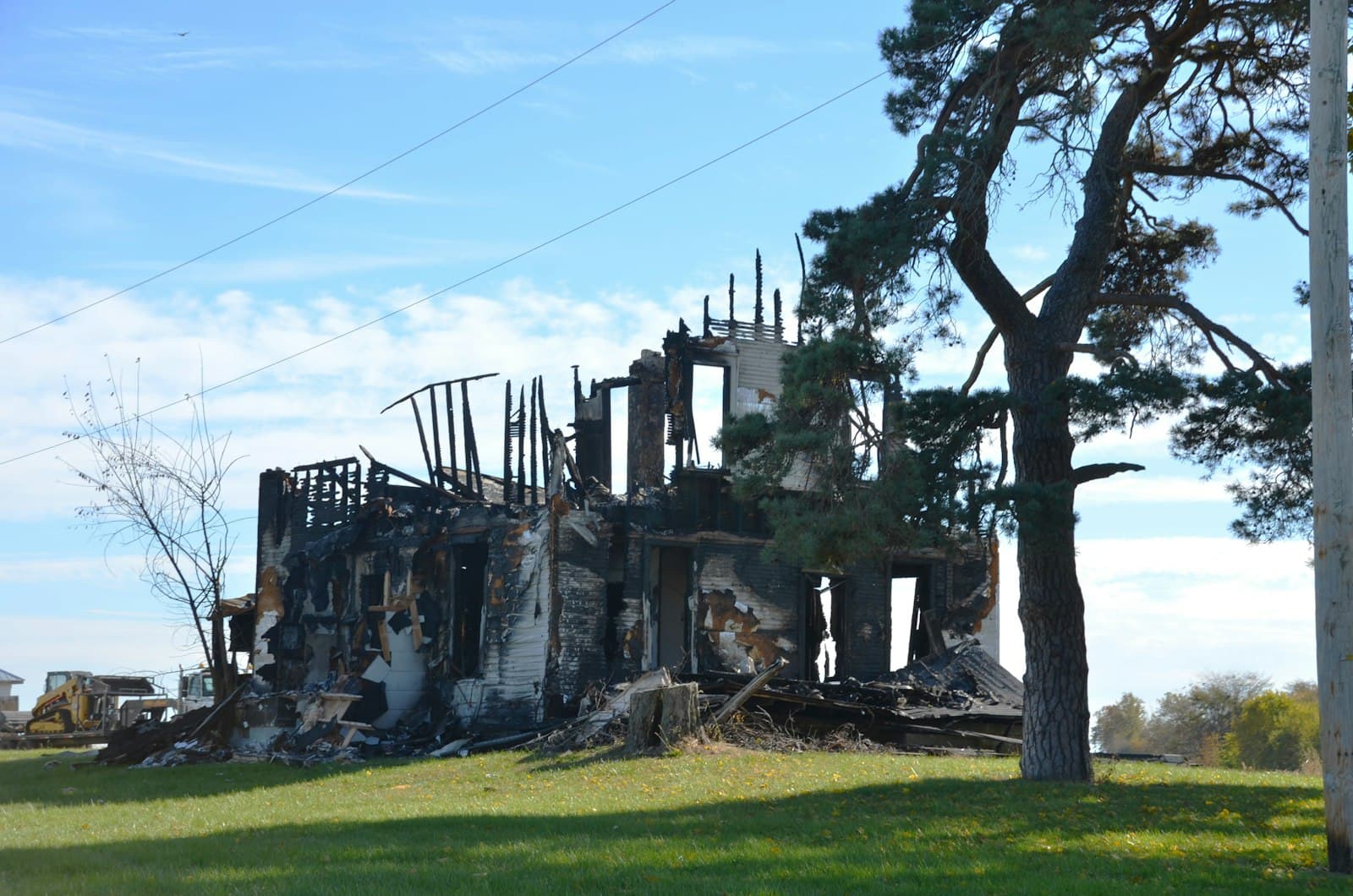
When a three-decker goes up in Dorchester or Savin Hill, the flames are only the first crisis. Displaced families face a second, slower ordeal: navigating insurance, permits, and a wave of contractors who show up fast after a disaster, some legitimate and some not.
If you own or rent in one of Boston's dense triple-decker neighborhoods, the recovery process is where money gets lost and rebuilds go wrong. This guide walks through what to do after a fire, how to verify the people you hire, and how to spot the scams that follow every disaster.
First Steps After the Fire
Before you think about rebuilding, stabilize the basics. In the hours and days after a fire, your priorities are safety, documentation, and notifying the right parties.
- Do not re-enter until the fire department clears the structure. Fire-weakened floors and compromised wiring are real hazards.
- Call your insurer immediately to open a claim and ask about additional living expenses (ALE), which many policies cover while you are displaced.
- Document everything with photos and a written inventory before any cleanup or demolition begins.
- Secure the property against weather and trespassers, and keep receipts for emergency measures.
Keep every receipt and every piece of correspondence. The paper trail you build now is what your insurance settlement and any future disputes will rest on.
Permits Come Before the Rebuild
Fire damage rebuilding in Boston is not a job you can start on a handshake. Structural repairs, rewiring, replumbing, and gas work all require permits and inspections from the City of Boston Inspectional Services Department, which issues building, plumbing, gas, and electrical permits and performs the inspections that follow.
A few points that trip up homeowners after a fire:
- Pulling the permit is the contractor's job, not yours. A legitimate licensed contractor will file for permits in their own name. If a contractor asks you to pull the permit, treat that as a warning sign.
- Inspections protect you. Sign-offs from the city confirm the work meets code, which matters both for safety and for your insurance and resale value later.
- Skipping permits creates future problems. Unpermitted work can stall a sale, void coverage, and force expensive tear-outs.
Trade Work Requires State-Licensed Professionals
Most of a fire rebuild touches licensed trades. In Massachusetts, that licensing happens at the state level, and you can verify it before anyone touches your home.
- Electrical work must be done by an electrician licensed through the Board of State Examiners of Electricians. Fire damage almost always means rewiring, so this one is unavoidable.
- Plumbing and gas fitting are licensed by the Board of State Examiners of Plumbers and Gas Fitters. Note that gas fitting is a separate credential from plumbing.
- The full range of trades including refrigeration/HVAC and home inspectors sits under the Division of Occupational Licensure, which offers public license lookup.
You can confirm any trade license yourself using the state's check a professional license tool. It takes a few minutes and it is the single most effective way to avoid an unqualified worker.
Home Improvement Contractor Registration and Your Rights
General contractors handling your rebuild fall under Massachusetts home improvement law. The Office of Consumer Affairs and Business Regulation runs the Home Improvement Contractor (HIC) registration program, along with a lookup tool and a Guaranty Fund for homeowners.
The protections come from MGL c.142A, and they exist to keep you from getting burned twice. Under the law:
- Home improvement work generally requires a written contract.
- There are limits on how much deposit a contractor can collect up front.
- Registered contractors give you access to the Guaranty Fund if a dispute goes bad.
HIC registration is not the same as a trade license. A contractor can be HIC-registered and still need to bring in a state-licensed electrician or plumber for the regulated work.
Check both: the HIC registration for the company managing your project, and the individual trade licenses for whoever does the electrical, plumbing, and gas work.
Avoiding Post-Disaster Contractor Scams
Disasters attract opportunists. The pattern is predictable: someone shows up unsolicited, presses for a large cash deposit, and promises to start immediately. Federal consumer-protection guidance for a related industry, the FMCSA's Protect Your Move resource, lays out fraud red flags that translate well to disaster rebuilding, including demands for large upfront payment and vague or missing paperwork.
Watch for these signals:
- Unsolicited door-knocking right after the fire.
- Pressure to sign or pay today, before you have verified anything.
- Large cash deposits that exceed the deposit limits set under Massachusetts law.
- No written contract, or one missing license numbers and scope details.
- Reluctance to pull permits in their own name.
The delays and disputes that follow infrastructure failures show how easily a rushed hire goes sideways. In Lynn, residents at 103 Birch Street were given time to find a contractor for an emergency pipe repair, and as Itemlive reported, a canceled contractor visit led the water commission to shut off service until the work was actually completed. Scheduling and follow-through matter, and so does hiring someone who will show up and finish.
Where Tavlee Fits In
Verifying every license and registration across a fire rebuild is a lot of separate lookups. Tavlee, a Greater Boston contractor directory that checks licenses against the state registry, does that verification for you and pairs it with ratings and reviews from local homeowners. For a Dorchester or Savin Hill homeowner juggling insurance calls and displacement, starting from a verified list narrows the field to people you can actually trust with the rebuild.
Key Takeaways
Recovering from a three-decker fire is a marathon, not a sprint. Move deliberately and protect yourself at each step:
- Stabilize and document before any cleanup, and open your insurance claim right away.
- Confirm permits are pulled by the contractor through Boston Inspectional Services.
- Verify trade licenses through the state registry, and confirm HIC registration under MGL c.142A.
- Reject high-pressure, cash-first pitches from anyone who shows up uninvited.
The contractors worth hiring will welcome your questions, produce their license numbers, and put everything in writing. Take the extra day to check before you sign. It is the cheapest insurance you will buy during the whole rebuild.


