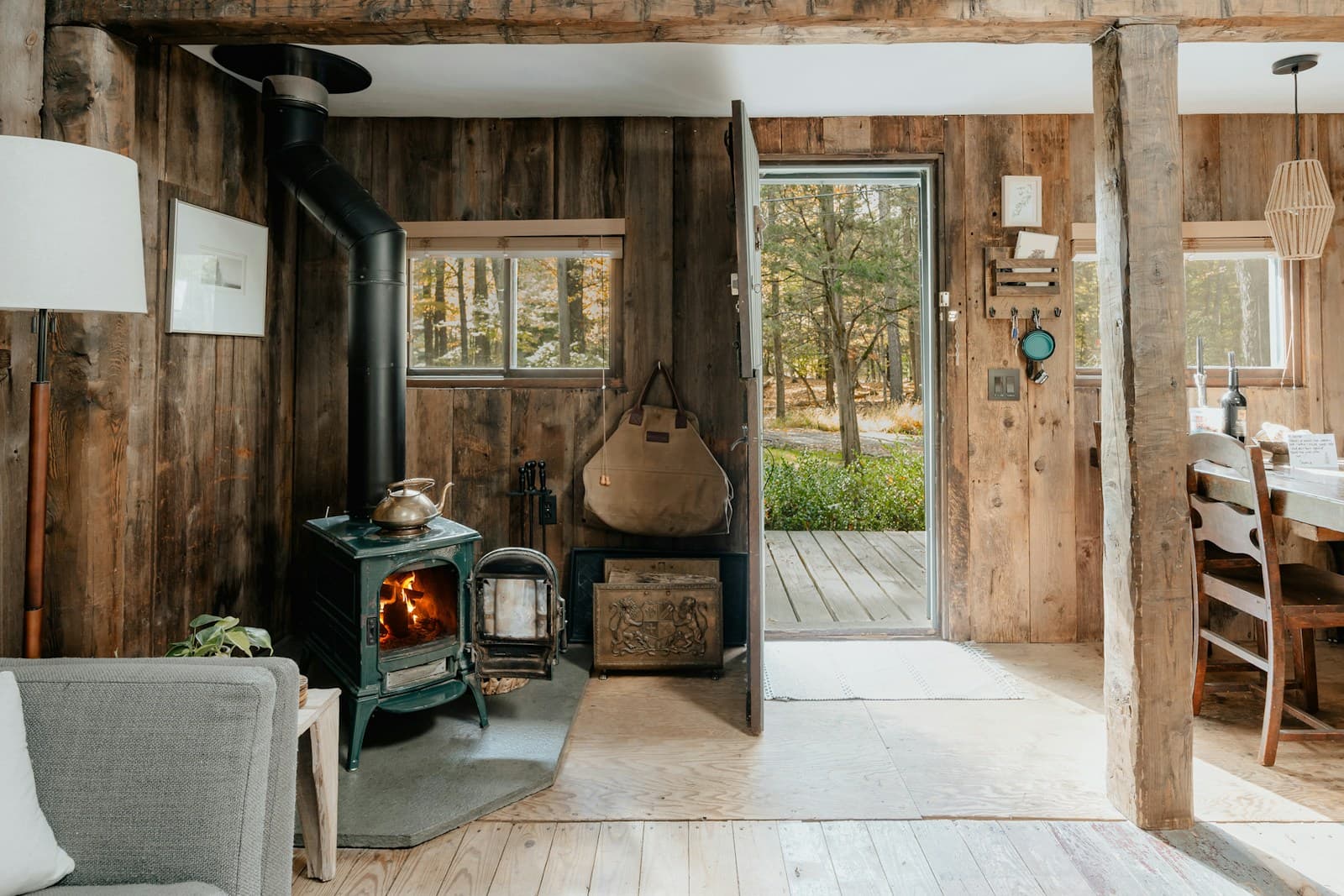
There's something satisfying about that first fire of the season. Before you strike the match, a little prep work sets you up for a warm, worry-free winter. The good news for New England homeowners: the region's fire officials have laid out simple, doable steps, and there's a whole crew of skilled local pros ready to help you knock them out.
Here's an upbeat, get-it-done checklist to have your chimney, wood stove, and heating system in great shape before the cold settles in.
Start with an annual chimney inspection and cleaning
The single most effective thing you can do is book a yearly chimney checkup. According to the Massachusetts Department of Fire Services, creosote build-up causes most chimney fires, and the fix is straightforward: have the chimney and flue professionally inspected and cleaned every year.
Our neighbors to the north echo the same advice. The New Hampshire State Fire Marshal notes that New Hampshire sees about 450 heating fires a year, with chimney fires accounting for more than half of them, and recommends inspecting chimneys and vents annually.
Rhode Island's guidance lines up neatly too. The Rhode Island Office of the State Fire Marshal advises having a qualified professional clean and inspect your chimney and vents every year.
Creosote build-up causes most chimney fires. An annual professional inspection and cleaning is the easiest way to head it off.
The takeaway is consistent across all three states: once a year, before you start burning, get a qualified sweep in.
Give your heat sources breathing room
Clearance is one of those small habits that pays off all winter. The Massachusetts Department of Fire Services recommends keeping anything that can burn at least three feet away from stoves, fireplaces, and space heaters. The New Hampshire State Fire Marshal repeats that same three-foot clearance.
Walk each room where you'll be running heat and give it a quick look:
- Pull furniture, curtains, and rugs back from the fireplace and any space heaters.
- Keep firewood, kindling, and newspaper stacked well outside that three-foot zone.
- Clear the area around wood stoves so nothing can drift or fall against a hot surface.
It takes five minutes and turns your setup into a genuinely safe spot to gather.
Handle ashes the smart way
Even cooled ashes can hold heat longer than you'd expect, so give them a proper home. The Rhode Island State Fire Marshal recommends storing cooled ashes in a covered metal container kept at least ten feet from the house. Grab a lidded metal ash bucket, park it away from the siding and deck, and you've got this covered for the whole season.
Keep your alarms fresh on every level
Working alarms are your quiet backup all winter long. The Massachusetts Department of Fire Services calls for working smoke and carbon monoxide alarms on every level of the home. This is a great weekend to test each one, swap in fresh batteries, and confirm you've got CO detection near sleeping areas and heating appliances.
Don't forget the furnace, boiler, and heat pump
Your chimney isn't the only system that appreciates a tune-up. The U.S. Department of Energy's Energy Saver guidance recommends annual professional maintenance for furnaces and boilers, and the U.S. Fire Administration offers heating fire safety tips worth reviewing before the season ramps up. A well-maintained system runs cleaner, more efficiently, and more safely.
If you're installing or replacing equipment in Boston, note that a licensed contractor pulls the required permit. The City of Boston explains that installing or replacing a water heater or boiler runs through a licensed contractor who handles the plumbing or gas permit, and its gas permit and plumbing permit pages confirm that this work is for licensed pros only.
Who to call
The right specialist makes each of these tasks easy:
- Chimney sweeps for that annual inspection and cleaning of chimneys and flues.
- HVAC pros for furnace, boiler, and heat pump maintenance.
- Licensed plumbers and gas fitters for anything involving gas lines or water heater and boiler installs.
Finding the right person is the easy part. Tavlee (tavlee.com) is a simple way to find and research trusted local chimney, heating, and HVAC pros across New England, so you can compare ratings and reviews and book with confidence. A quick license check before hiring is a nice confidence-builder, and Massachusetts homeowners can look up registered contractors through the Office of Consumer Affairs and Business Regulation.
Your first-fire checklist
Here's the whole thing in one place:
- Book an annual professional chimney and flue inspection and cleaning.
- Keep anything burnable three feet from stoves, fireplaces, and space heaters.
- Store cooled ashes in a covered metal container ten feet from the house.
- Test smoke and CO alarms on every level; refresh batteries.
- Schedule annual furnace, boiler, or heat pump maintenance.
- Line up your sweep, HVAC pro, or licensed plumber early.
Check these boxes and you're set for a cozy, safe season. The first fire is always more enjoyable when the prep is done, and this year you've got fire officials across three states and a lineup of great local pros pointing the way.