New England gives us a short, generous window in September. The days are still mild, contractors' calendars still have openings, and the first hard freeze is far enough off that you can knock out your exterior prep without racing the weather. This is the sweet spot.
Homeowners in Massachusetts, New Hampshire, and Rhode Island who tackle a few key jobs now head into winter with warmer rooms, lower bills, and far fewer surprises. Better still, booking the pros this month means you skip the October scramble when everyone else calls at once. Here's a practical, freeze-ready checklist to work through before the cold sets in.
Start at the top: gutters, downspouts, and the roof
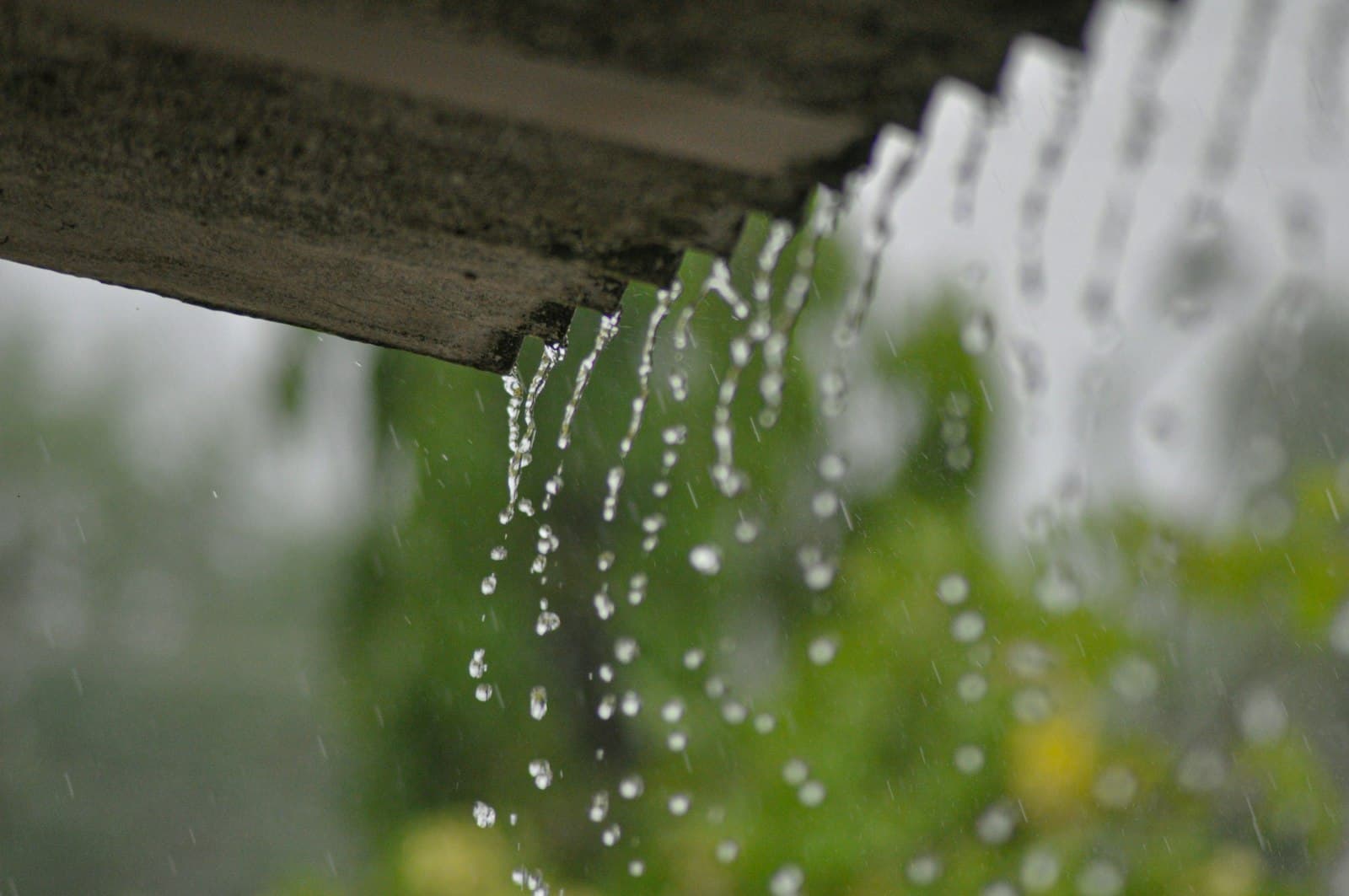
Clogged gutters are one of the most common causes of winter headaches. When leaves and debris block the flow, meltwater backs up, refreezes at the roof edge, and forms ice dams that push water under shingles.
- Clear gutters and downspouts so autumn rain and winter meltwater drain freely away from the foundation.
- Have a pro check the roof for loose or lifted shingles and worn flashing while the weather is still cooperative.
- Confirm downspouts carry water several feet from the house.
This is honest ladder-and-height work, which is exactly why it belongs on the pro list. A roofer or gutter specialist can clear, inspect, and flag small repairs in one visit. In Rhode Island, note that the CRLB licenses commercial roofers and home inspectors among other trades, so it is easy to hire someone whose credentials line up with the job.
Book the annual heating and chimney service now
An annual professional tune-up is the single most recommended fall task for a reason. The U.S. Department of Energy's guidance on furnaces and boilers calls for annual professional maintenance plus seasonal filter changes to keep systems running efficiently through the heating season.
Heating and chimney safety shows up across every regional emergency agency's winter guidance, from MEMA to ReadyNH to the Rhode Island Emergency Management Agency and the U.S. Fire Administration, all of which recommend having heating equipment and chimneys cleaned and inspected each year by a professional. Two clear wins from booking in September:
- You avoid the October rush when the first cold snap sends everyone dialing at once.
- You catch small issues early, giving you time to plan any repairs before you rely on the system daily.
Keep anything that can burn at least 3 feet from heat sources.
That simple clearance rule applies to furnaces, space heaters, and wood stoves alike, and it is worth a walk-through once the heat is running.
Protect your pipes and know your shutoff
A little plumbing prep goes a long way. Before the first freeze:
- Detach garden hoses and drain them.
- Shut off and cover exterior faucets (hose bibs), using an inexpensive foam cover.
- Insulate exposed pipes in unheated spaces like basements, crawlspaces, and garages.
- Learn where your main water shutoff is so you can act fast if you ever need to.
There is a coverage angle worth knowing here. The Massachusetts Division of Insurance notes that most homeowner policies cover "sudden and accidental" burst-pipe damage only if the home was kept heated and occupied, and cover ice-dam damage when it was sudden and not the result of a lack of maintenance. In plain terms, the same maintenance that keeps you comfortable also keeps you on the right side of your policy.
Seal the envelope: doors, windows, and insulation
Air sealing is the low-cost, high-comfort part of fall prep. Caulk gaps around window and door frames, and add or replace weather-stripping where you feel a draft. These small fixes pay off every day the heat is on.
For the bigger picture, have a pro evaluate your attic insulation and ventilation. Proper attic ventilation also helps keep the roof deck cold and even, which reduces the melt-and-refreeze cycle behind ice dams.
Massachusetts homeowners have an easy on-ramp: Mass Save offers a no-cost home energy assessment, the entry point to insulation, air sealing, and heating-system rebates before the winter heating season. It is one of the friendliest deals going for getting your home winter-ready.
Test your alarms
While you have tools out, test every smoke and carbon monoxide alarm and swap batteries as needed. Heating season is exactly when working detectors matter most, and it takes only a few minutes.
Which jobs to hand to a pro, and how to hire with confidence
Most of the sealing and hose work is a good weekend DIY project. A handful of jobs are worth handing to a licensed professional:
- Gutter cleaning (height and safety)
- Chimney sweep and inspection (specialized, annual)
- Roof check (access and expertise)
- Heating tune-up (efficiency and safety)
Booking these in September beats the October rush on availability and gives you time to schedule any follow-up work while the weather holds.
When you hire, a quick license check is an easy confidence-builder. Massachusetts makes it simple to check a professional license against the official state registry before you commit. And Tavlee pulls it together in one place: each contractor profile shows verified state license status, reviews gathered from across the web, and a cited, plain-English read on the business, so finding a great local pro in Greater Boston and beyond takes minutes.
Your September takeaways
You do not need to do everything in one weekend. Work top to bottom and book the pros early:
- Clear the gutters and check the roof.
- Schedule the heating tune-up and chimney service now.
- Drain hoses, cover faucets, insulate pipes, and find your shutoff.
- Caulk, weather-strip, and get an attic assessment.
- Test every smoke and CO alarm.
Get these done this month and you will spend the winter warm, efficient, and worry-free. The pros are ready, the programs are in place, and September is the ideal time to make it happen.