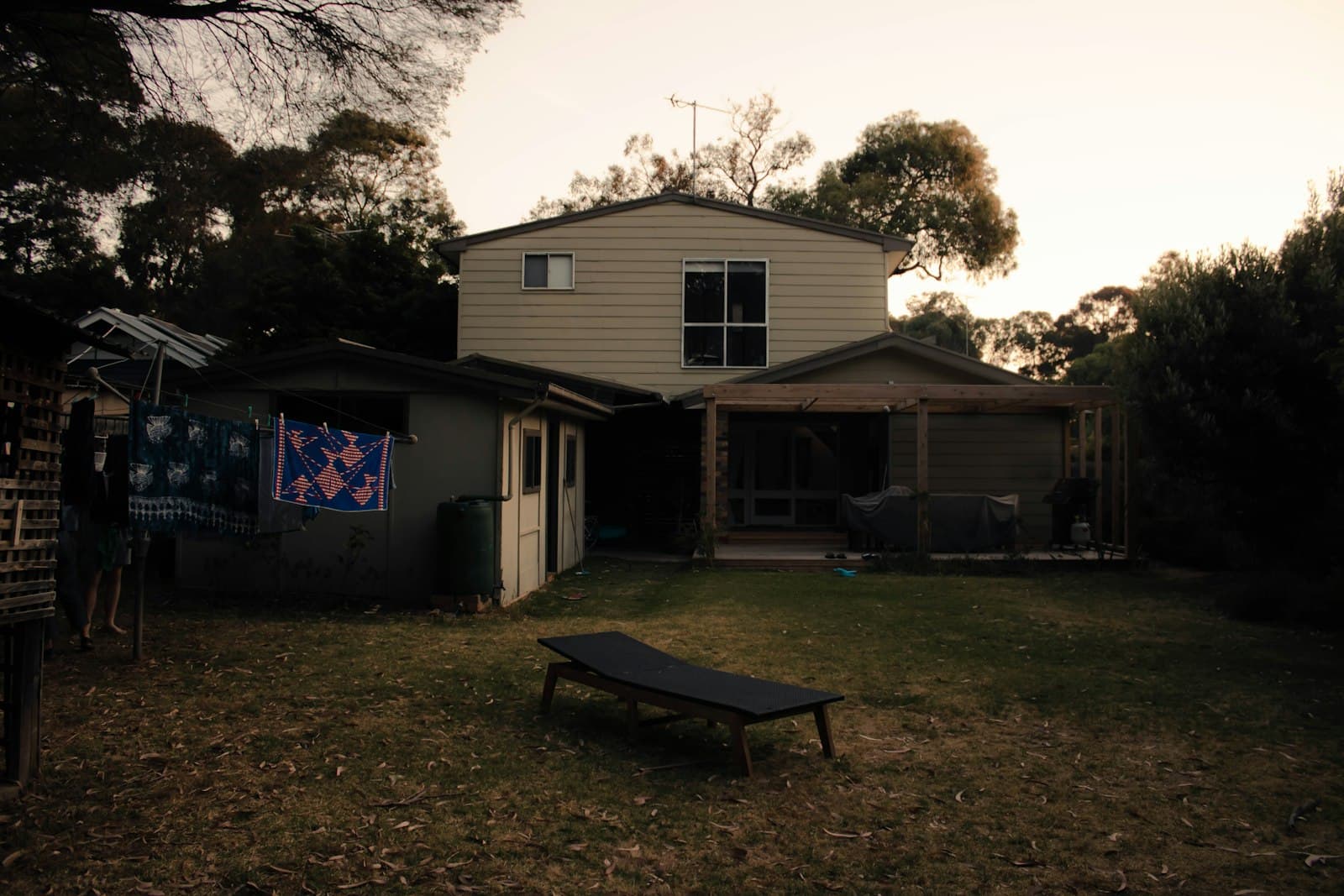
If you own a home in Massachusetts and have ever eyed your backyard, basement, or garage as a possible in-law suite or rental unit, the state just gave you a reason to take the idea seriously. Massachusetts has launched a program to help pay for the homework that comes before any shovel hits the ground.
Here is what the program actually funds, why a feasibility study matters, and what you need to know about hiring the right people before you commit real money to an accessory dwelling unit (ADU) project.
What the ADU Incentive Program Actually Does
According to SamSearch, Massachusetts announced Phase One of its Accessory Dwelling Unit Incentive Program, committing $10 million over two years starting July 2026 to help homeowners explore building ADUs on their properties. The initiative is overseen by the Massachusetts Housing Partnership in collaboration with the Executive Office of Housing and Livable Communities.
The money is not for construction. It funds professional feasibility studies that assess:
- Site conditions
- Permitting requirements
- Design considerations
- Estimated costs
The goal is to help you understand the hurdles before you sink time and money into a project that might not pencil out on your lot. As the program describes it:
"A feasibility study gives a family an objective, professional assessment of what is possible on their property, what it may cost and what hurdles need to be addressed before they invest significant time and money."
That framing is worth sitting with. A study will not build your unit, but it can save you from paying for a design that your setbacks, septic, or zoning will never allow.
Why the Feasibility Study Comes First
Think of the study as a diagnostic before surgery. It tells you whether an ADU is realistic on your specific property, what shape it can take, and roughly what it will cost. That is a far better starting point than a contractor's optimistic sketch.
The study also produces something valuable when you do hire: a documented understanding of permitting and site constraints. When you later collect construction bids, you can hold each one against a shared, professional baseline instead of guessing.
One thing to keep in mind: SamSearch notes the program is expected to increase demand, and related procurement opportunities, for contractors who specialize in feasibility studies, architectural design, and permitting consultation. More demand tends to attract more players, including some who are less qualified. Vet accordingly.
ADUs Often Mean Accessibility Work, Too
Many homeowners build ADUs precisely to house an aging parent or a family member with mobility needs. If that is your situation, accessibility standards should shape the design from day one, not get bolted on later.
A recent public-housing solicitation in Massachusetts shows the level of detail involved. A contract listed on CLEATUS for drywall and wall finishes at a Chelmsford facility spells out that the work must fully comply with ADA standards, including proper clearances for turning radius, knee clearance, and reach ranges. Those same principles apply to a residential ADU meant for accessible living. Raise them during the feasibility and design stage so they are priced in, not treated as a surprise change order.
Before You Hire: Verify the License, Every Time
Whatever your project stage, verification is non-negotiable. Massachusetts requires most residential work to be done by people holding the right credentials, and checking takes minutes.
As Tavlee's guide to verifying a Massachusetts contractor's license explains, there are two separate credentials you should understand:
- Home Improvement Contractor (HIC) registration with OCABR
- Construction Supervisor License (CSL) with the BBRS
The guide lays out a five-step verification process: ask for the numbers in writing, check the state lookup, review complaints and disciplinary actions, confirm the contractor pulls the permit, and verify insurance and bonding. HIC registration also connects to the state's Guaranty Fund, a real remedy if a registered contractor leaves you in the lurch.
Watch for the red flags the same guide flags:
- Door-to-door storm-chasers
- Unusually low bids
- Large upfront payments
- Pressure to sign fast
- No written contract
- Owners operating under multiple company names
That last one is not hypothetical. The guide cites an NBC Connecticut investigation into a contractor tied to at least five company names who took money from homeowners in Connecticut and Massachusetts, and a Washington State case where regulators suspended a contractor after 40-plus complaints and roughly $1.19 million in alleged fraud.
Tavlee, a contractor directory for Greater Boston, is built for exactly this step. Use it to verify licenses and research contractors before you let anyone near your property.
Comparing Bids Once You Have Your Study
A feasibility study hands you a scope. The next job is turning that scope into apples-to-apples bids. The common mistake, per Tavlee's guide on comparing contractor estimates, is collecting three quotes and picking the one in the middle.
Get at least three written estimates (four or five for major structural, foundation, or HVAC work), and make sure each legitimate estimate includes:
- Itemized labor and materials
- Named brands and specs, not vague "quality materials"
- A timeline
- A milestone-based payment schedule with a 10 to 30 percent deposit
- License and insurance details
- Who pulls the permits
Then run the four-step comparison: normalize the scope in a side-by-side table, check payment terms, look for what one bid quietly omitted (debris removal, permit costs, warranty), and verify the license before going further.
Interrogate the Lowball
If one bid comes in far under the others, ask the contractor to account for the gap. The guide identifies four usual causes: unlicensed labor, inferior materials, incomplete scope, and bait-and-switch change orders.
Watch these hidden-cost traps in particular:
- Material "allowances" that are unpriced placeholders
- Uncapped change-order rates
- Permit fees listed as extras
- Narrow warranty terms
- Blank lines in a contract
Richmond Police, cited in the same guide, warn specifically about blank spaces in contracts, and the NICB flags upfront cash demands. The advice from Gulfport PD's Lt. Jason Ducre is refreshingly simple: take the time to research before you commit.
Takeaways and Next Steps
The ADU Incentive Program is a rare chance to de-risk a major project with state-funded homework. Use it well:
- Start with the feasibility study. Let a professional assessment tell you what your property can actually support before you fall in love with a design.
- Build accessibility in early if the unit is meant for aging or mobility needs, so ADA-style clearances are designed and priced from the start.
- Verify every credential through the state lookup and a directory like Tavlee before signing anything.
- Collect and normalize at least three written bids, interrogate any lowball, and refuse contracts with blank lines or vague allowances.
Do the homework the program is designed to fund, and you turn a backyard daydream into a project you can actually control.


