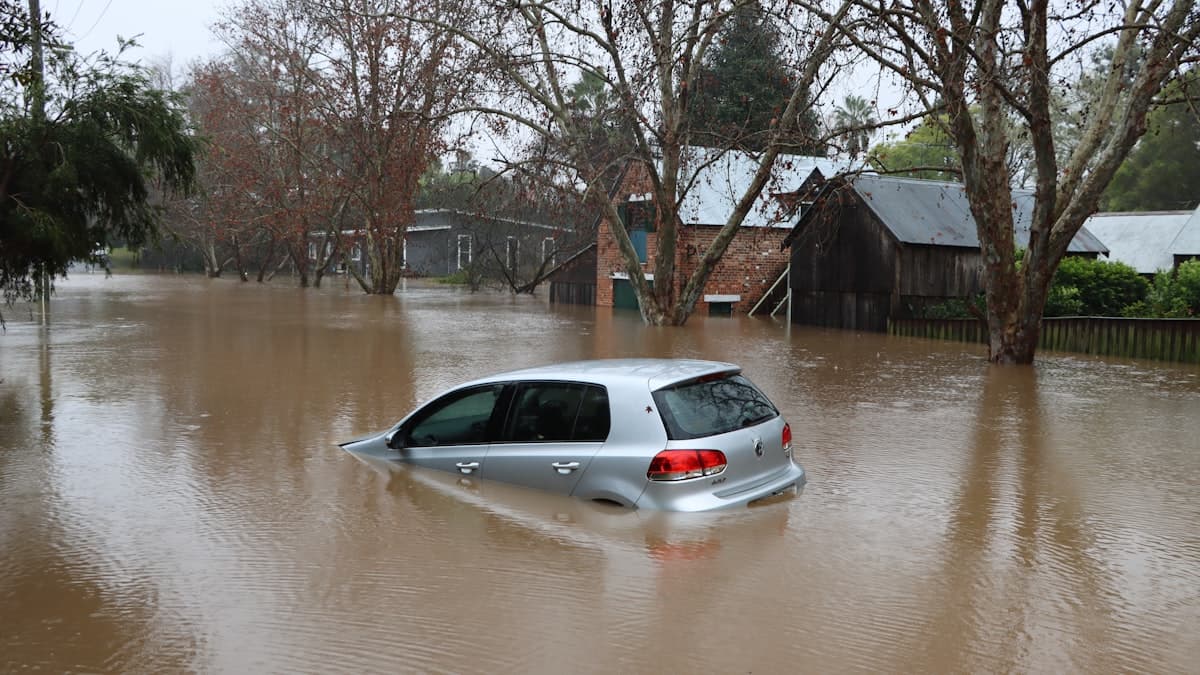
When a storm rolls through the Greater Boston area, the knock at your door often comes fast. Someone spotted "damage" on your roof, they happen to be working in the neighborhood, and they can start today. Most of these callers are legitimate people looking for work. And the good news is that Massachusetts gives homeowners strong tools to sort the great local pros from the storm-chasers before a single dollar changes hands.
We're in the stretch that matters. The Massachusetts Emergency Management Agency notes that Atlantic hurricane season runs June 1 through November 30, with the peak falling from mid-August through September. So if you're reading this now, you're right in the window when door-to-door repair pitches spike. A little preparation turns those knocks into an opportunity to line up quality work on your own terms.
Why storm season brings contractors to your door
Storm damage creates urgency, and urgency is what makes a fast pitch persuasive. MEMA has been urging residents to prepare ahead of the peak of Atlantic hurricane season, and part of preparing is knowing how you'll handle repairs before you actually need them.
The reassuring part: you hold all the leverage. The best move after a storm is to slow the timeline down just enough to verify who you're hiring. That's not about suspicion; it's about confidence.
The FTC's simple checklist for door-to-door pitches
The Federal Trade Commission's guidance on home improvement lays out a handful of easy things to notice when someone shows up unannounced. Think of these as prompts to ask a few more questions, not reasons to panic:
- The "leftover materials" pitch. A contractor says they have supplies left from a nearby job and can give you a deal today.
- High-pressure door knocks. An offer that's only good if you sign right now.
- Cash only. A reluctance to take traceable payment.
- Full payment up front. Asking for the whole cost before work begins.
- Asking you to pull the permit. The FTC flags this one specifically, and in Massachusetts it matters more than most homeowners realize (more on that below).
When a pitch checks none of these boxes, that's a good sign. When it checks a few, simply say you'd like time to compare quotes. A reputable pro will respect that.
Massachusetts protections built into every job
Here's where Massachusetts homeowners get a real advantage. State law under MGL c.142A, summarized in the state's home-improvement overview, sets ground rules that work in your favor:
- A written contract is required for jobs over $1,000. Get the scope, price, and timeline on paper.
- The deposit is capped at one-third of the total contract price. Anyone asking for full payment up front is asking for something the law doesn't support.
- Home Improvement Contractors must be registered. The Office of Consumer Affairs and Business Regulation runs the HIC registration program and offers a public lookup.
These rules exist so the standard, expected way to hire is also the protected way. A great contractor already works this way.
The permit detail that protects your money
That FTC red flag about being asked to pull your own permit connects directly to one of the strongest backstops Massachusetts offers. The HIC Guaranty Fund can compensate eligible homeowners up to $25,000 for unpaid judgments against registered contractors.
The Guaranty Fund only applies if the contractor was HIC-registered when the contract was signed and the contractor pulled the permit.
That's the key. When a contractor pulls the permit and is properly registered, you stay eligible for that up-to-$25,000 protection. When they ask you to pull it yourself, you may lose that eligibility. So "who pulls the permit" isn't paperwork trivia; it's your safety net. In Boston, permits for building, plumbing, gas, and electrical work run through the Inspectional Services Department.
Match the license to the work
Storm repairs often touch several trades, and Massachusetts licenses them separately. Verifying the right credential is quick and builds confidence fast:
- Structural and building work. A Construction Supervisor License is required to supervise construction, reconstruction, alteration, repair, or demolition regulated by the building code for one- and two-family dwellings and buildings under 35,000 cubic feet. There are unrestricted, restricted, and specialty CSL types, including roofing/siding and windows, so match the license to the job.
- Electrical work must be done by an electrician licensed through the Board of State Examiners of Electricians.
- Plumbing and gas fitting are licensed by the Board of State Examiners of Plumbers and Gas Fitters, with gas fitting a separate credential.
You can confirm any trade credential against the official state registry using the Mass.gov check a professional license tool, which draws on boards housed under the Division of Occupational Licensure. It takes a couple of minutes and it's a genuine confidence booster before you sign.
A smart, no-stress vetting routine
Here's an easy sequence for anyone who knocks after a storm:
- Get the details in writing. Company name, address, and HIC registration number.
- Verify the HIC registration and the trade license through the OCABR lookup and the state license check.
- Confirm the contractor will pull the permit so your Guaranty Fund eligibility stays intact.
- Keep the deposit at or under one-third and use traceable payment.
- Compare a couple of quotes rather than committing on the spot.
Want to shortcut the research? Tavlee is a Greater Boston contractor directory that verifies licenses against the state registry and synthesizes reviews across sources, so you can check any contractor who knocks on your door before you sign. It's the easy way to turn a cold door-knock into an informed hiring decision.
The takeaway
Peak hurricane season is a good reason to have your repair plan ready, not a reason to worry. Massachusetts gives you a written-contract requirement, a one-third deposit cap, HIC registration, per-trade licensing you can verify in minutes, and an up-to-$25,000 Guaranty Fund backstop when your contractor is registered and pulls the permit.
Line up your steps now: know how you'll verify credentials, confirm who pulls the permit, and keep a shortlist of trusted local pros. Do that, and the next knock at the door becomes a chance to get quality work done with real peace of mind.