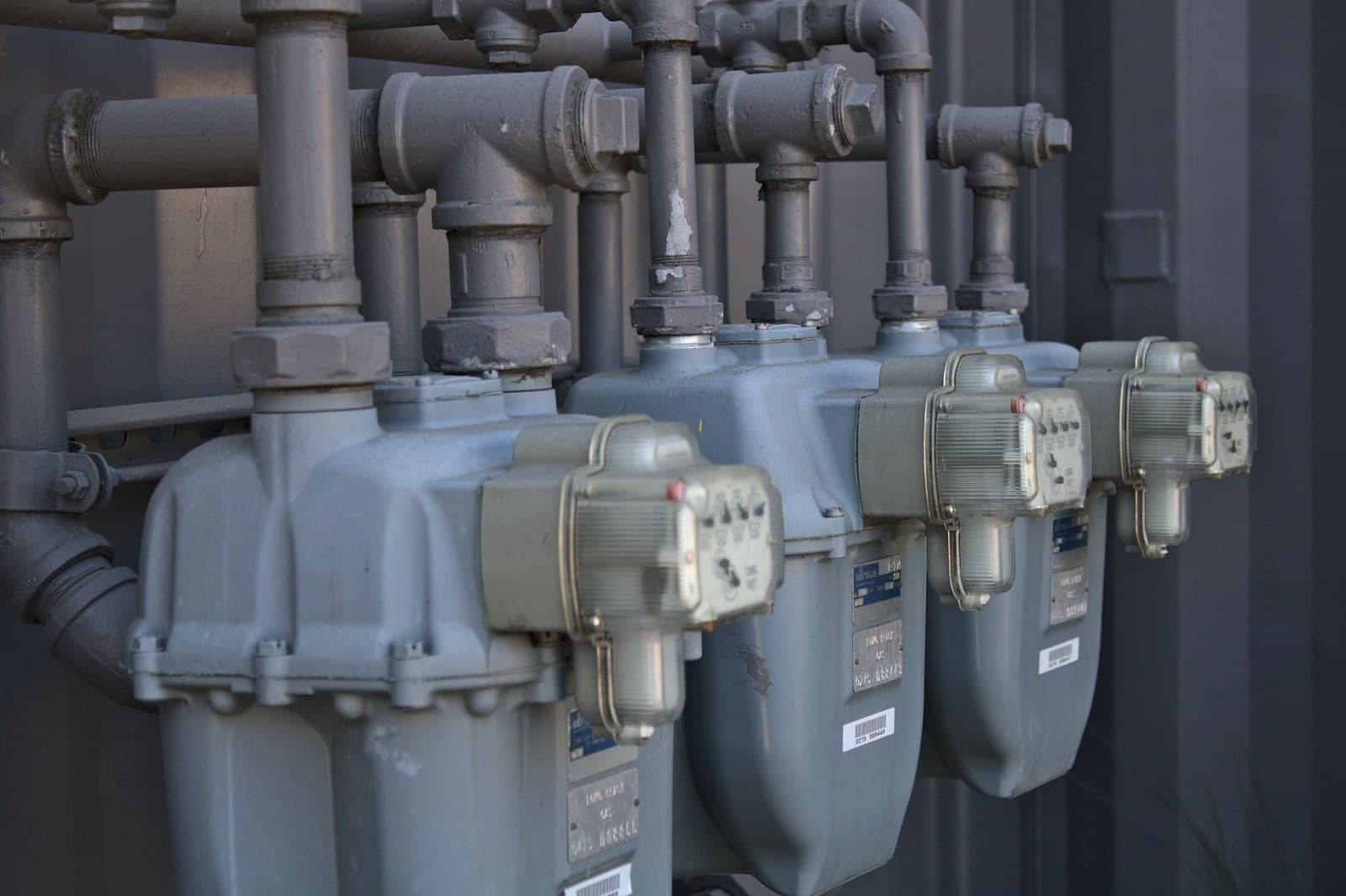
Backflow preventers are the kind of plumbing hardware most property owners never think about until one goes missing and water is running across the parking lot. A recent string of thefts shows why they deserve attention, and why the plumber you hire to install or replace one needs to be the real deal.
Here in Greater Boston, the same lesson applies whether you own a strip mall in Quincy or rent a triple-decker in Somerville: the person doing your plumbing work should be state-licensed, permitted, and verifiable. Let's walk through what happened elsewhere, why it matters for local property owners, and how to protect yourself.
What's actually happening with backflow preventer theft
A report from Click2Houston lays out the problem clearly. Thieves in Kingwood, Texas have been targeting businesses for the brass inside backflow preventers, and the collateral damage is far larger than the scrap payout.
In the latest incident, surveillance video captured a woman and a man using a hammer to break a protective cage, destroy the equipment, and take a backflow preventer while water gushed across the parking lot. A property manager said the water ran uncontrolled for seven hours before it could be shut off.
That was not a one-off. According to the article, the same property had been hit three times: once in 2024, again in May, and again in the overnight theft. Repair estimates ran $4,000 to $5,000, and broken pipes were part of the damage. About three miles away, another owner reported a theft last week that also sent water shooting from a busted pipe.
The motive is straightforward. The article notes backflow preventers contain brass that recyclers buy for roughly $2 to $3.50 per pound in Houston. The thieves walk away with a few dollars of metal while owners are left holding a bill that dwarfs it.
"It's frustrating because we're paying for it. I have police report, but there's no follow-through or follow-up because it's not a million dollars, it's a small claim. But when you add them all up, the fact that we've done it five or six times, now it's a very large claim," the property manager said.
The knock-on effect hit tenants too. As she put it in the same report:
"There are five businesses in that strip center and they all basically had to either close or just not use facilities."
Why this matters for Boston-area property owners
Houston is not Boston, but the underlying vulnerability travels. A backflow preventer is exposed hardware, often mounted outdoors or in an accessible utility area, and it contains valuable brass. Any region with active metal scrapping is a potential target, and the repair math is brutal no matter where you are.
Here is why it should be on your radar:
- The device protects your drinking water. A backflow preventer stops contaminated water from flowing back into the potable supply. Losing one is not just a leak; it is a health and code issue.
- The damage compounds fast. Broken pipes, flooded lots, and hours of uncontrolled water can turn a small piece of hardware into a multi-thousand-dollar loss.
- Insurance and small-claims fatigue is real. As the Kingwood owner noted, individual incidents may be too small to prompt police follow-through, but they add up.
Deterrence: what actually helps
If you own commercial or multi-unit property, a few practical steps reduce your exposure:
- Install a locking protective cage or enclosure. The Kingwood thieves used a hammer to defeat a cage, so build in something more robust and well-anchored.
- Add lighting and cameras. Surveillance footage was central to identifying the suspects in the Houston case.
- Know your emergency shutoff. Seven hours of running water is a shutoff-access problem as much as a theft problem. Make sure staff or tenants know where the valve is.
- Report every incident. Even small claims build a pattern that supports increased patrols, which is exactly what the Kingwood property manager requested from Houston Police.
Hire a licensed plumber for installation and replacement
When a backflow preventer is stolen or damaged, replacement is not a job for a handyman. In Massachusetts, plumbing is licensed at the state level through the Board of State Examiners of Plumbers and Gas Fitters, and backflow prevention assembly work falls squarely inside licensed plumbing.
Before you let anyone touch your water system:
- Verify the license. Use the state's check a professional license tool to confirm the plumber holds a current, valid credential against the official registry. The same registry, housed under the Division of Occupational Licensure, covers electricians, HVAC technicians, and other trades.
- Confirm the right credential. Note that gas fitting is a separate credential from plumbing, so match the license to the work.
- Pull permits. In Boston, plumbing and related work is permitted and inspected through the Inspectional Services Department. A contractor who wants to skip permits is a warning sign.
For larger renovation projects tied to the repair, the state's Home Improvement Contractor program run by the Office of Consumer Affairs and Business Regulation adds another layer of protection. Under Massachusetts home improvement law, MGL c.142A, registered contractors must follow contract and deposit rules, and homeowners may have recourse through the Guaranty Fund.
This is where a vetted directory earns its keep. Tavlee is a Greater Boston contractor directory that cross-checks licenses against the state registry, so you can find a plumber whose credential is already verified rather than digging through the registry yourself after an emergency. When water is running and you need someone fast, starting from a pre-verified list saves time and reduces the risk of hiring an unlicensed operator.
Water damage is not only a theft problem
Backflow prevention is one piece of a larger reality: water and wastewater systems fail in expensive, disruptive ways, and property owners often bear the consequences.
Consider recent infrastructure failures in the region and beyond. In Haverhill, officials are still assessing next steps after a 42-inch force main break discharged millions of gallons of untreated sewage into the Merrimack River, as the Eagle-Tribune reported. The city is running on a temporary bypass while a permanent fix is still needed, and a second break has been referenced as part of the ongoing problem.
And in Gladwin, Michigan, officials warned residents not to flush toilets after lightning appeared to damage the wastewater treatment plant. The city asked residents and businesses to stop using plumbing to avoid sewage backups while repairs were assessed. One official's plea captured the stakes:
"I really don't want the sewers to backup into my house."
The common thread is that plumbing and water infrastructure problems, whether from theft, aging pipes, or a lightning strike, land hard on property owners. Having a trusted, licensed plumber already identified means you are not scrambling to vet strangers during a crisis.
Key takeaways and next steps
Backflow preventer theft is a small-value crime with large-value consequences, and the same principles that limit your loss apply to plumbing emergencies generally.
- Harden the target: locking cages, lighting, cameras, and clear shutoff access.
- Report every incident so patterns support law-enforcement attention.
- Hire only state-licensed plumbers and verify credentials through the official Massachusetts registry before work begins.
- Pull the required permits through Boston's Inspectional Services Department for any covered work.
- Start from a verified list — licensed plumbers in Greater Boston on Tavlee are checked against the state registry before they are listed, so your contractor's credential is confirmed before you ever pick up the phone.
Do the verification now, while nothing is broken. It is far easier to hire a licensed plumber on a calm Tuesday than during the seven hours your parking lot is flooding.