Massachusetts licenses electricians statewide — check any journeyman or master license free on Mass.gov, and expect every job to carry a town wiring permit and inspection. On the South Shore, postwar capes in Quincy, Braintree, and Weymouth often need 200-amp panel upgrades before EV chargers, while coastal nor'easter outages make electrician-installed standby generators and transfer switches a top request. Compare itemized quotes.
Typical cost
$530 – $1,100
Tracked on Tavlee
644 electricians in South Shore
If you own a postwar cape in Quincy or a split-level in Weymouth, chances are your home was wired for a very different era of electricity use. Add a modern kitchen, a heat pump, and an EV in the driveway, and that 60-amp panel starts to look like a bottleneck. Hiring the right electrician on the South Shore is part budgeting, part license-checking, and part knowing how to spot the people you should send packing.
This guide walks through what electrical work actually costs in towns like Quincy, Braintree, Weymouth, Hingham, and Plymouth, how Massachusetts licensing and permits work, and the warning signs that separate a licensed pro from a fast-talking risk.
What Electrical Work Costs on the South Shore, and What Drives It
Electrician pricing in this region is driven less by a flat rate card and more by the age and condition of the home. The South Shore's housing stock skews older, and that changes the math on almost every job.
The biggest cost drivers you will run into:
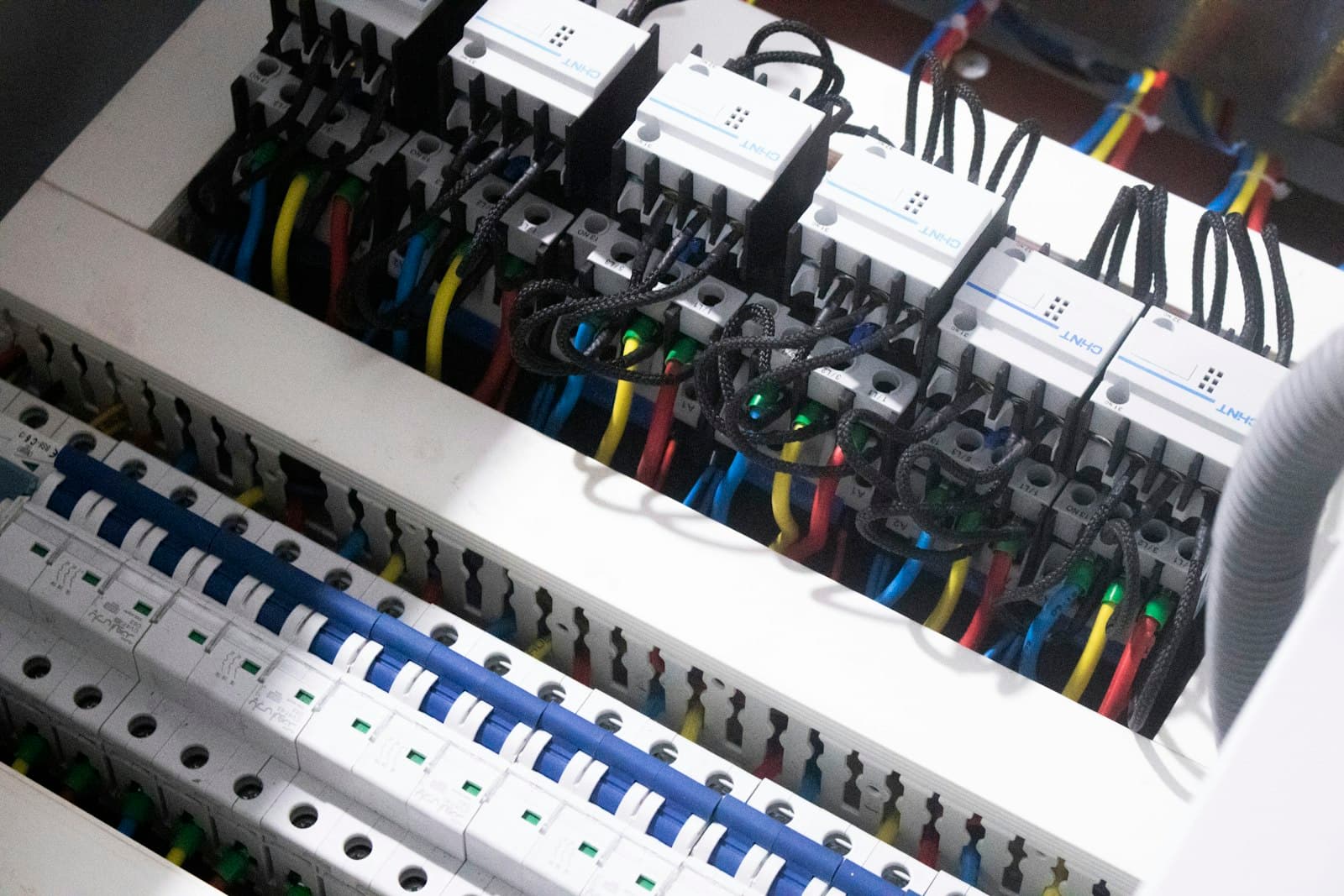
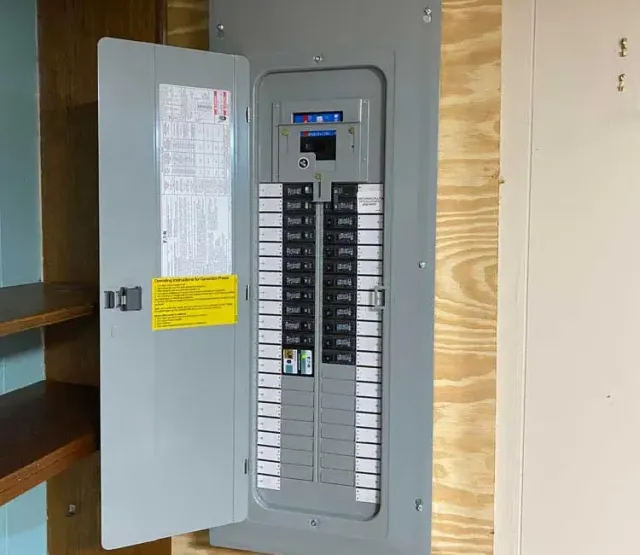
Panel age and capacity. Many postwar capes and split-levels in Quincy, Braintree, and Weymouth still run on 60- or 100-amp panels sized for 1950s appliance loads. Upgrading to a modern 200-amp service is often the first domino before any other project.
Access and routing. Finished basements, plaster walls, and knob-and-tube remnants make fishing new wire slower and pricier than in new construction.
Permit and inspection requirements. Electrical work in Massachusetts requires a wiring permit from the town and a sign-off from the local wiring inspector, which adds time and coordination.
Scope creep from old wiring. Once an electrician opens up an older panel, they may find aluminum branch circuits or ungrounded outlets that need addressing to pass inspection.
Because prices swing so widely by scope, it helps to model a range before you call anyone. Tavlee's live electrician cost calculator for the Boston metro lets you estimate common jobs so you walk into quote conversations with a realistic baseline rather than a blank check.
What does electrical work cost in South Shore?
Most electrical projects in South Shore run $530 – $1,100. Adjust the estimate for your job in the electrician cost guide.
Top-rated electricians in South Shore
These are the strongest electricians on the evidence: reviews weighed across sources and licenses verified against the Massachusettsregistry. Rankings can't be bought.
Hiring electricians in South Shore: your questions
Do electricians in Massachusetts need a license?
Yes. Massachusetts licenses electricians through its state board. Tavlee verifies each electrician's license against the Massachusetts registry and reports whether it is active.
How do I choose an electrician on the South Shore?
Start by confirming the electrician holds a valid Massachusetts license through the state's check a professional license tool, since electricians are licensed at the state level by the Board of State Examiners. Get at least two or three written quotes for the same scope, confirm they will pull a wiring permit and schedule inspection, and check reviews across sources. Tavlee's verified South Shore listings combine that license check and multi-source reviews in one place.
How much does an electrician cost on the South Shore?
Costs vary widely by scope and by the age of your home, which is why the region's older capes and split-levels often push simple jobs toward larger service upgrades. Rather than rely on a single flat figure, estimate your specific job with Tavlee's Boston-area cost calculator and use it as a baseline when comparing written quotes.
Do I need an electrician to install a whole-house generator?
Yes. A whole-house standby generator requires a transfer switch wired into your electrical panel, and that must be installed by a licensed electrician, permitted through your town, and inspected by the local wiring inspector. This is not a DIY job, and improper wiring creates dangerous backfeed risk. In coastal towns like Hingham, Scituate, Marshfield, and Plymouth, nor'easter outages make this a common project.
How much does it cost to install an EV charger at home in Massachusetts?
The cost depends heavily on whether your existing panel can support a Level 2 charger's dedicated circuit. In older South Shore homes, especially 100-amp services in Quincy and Braintree, the install may require a panel upgrade first, which changes the total significantly. Have a licensed electrician run a load calculation, and estimate combined scenarios using Tavlee's cost calculator before committing.
Electrical work must be performed by a state-licensed electrician. There is no local shortcut and no "handyman" exception for wiring.
Journeyman vs. Master
Massachusetts distinguishes between two main credentials:
A journeyman electrician is licensed to perform electrical work, typically under the supervision or authority of a master.
A master electrician can pull permits and run a business independently, and is the license holder responsible for the wiring permit on your job.
When you get a quote, the company doing the permitted work should be operating under a valid master electrician license. Ask for the license number.
Verify Before You Hire
Do not take a license number on faith. Massachusetts provides a public tool to check a professional license against the official state registry, covering electricians and other trades. It takes two minutes and confirms the license is real and current.
This is exactly the verification step that Tavlee builds into its directory. Every electrician in the verified South Shore electrician listings is checked against the Massachusetts state registry, and reviews are weighed across multiple sources rather than relying on a single star rating. It saves you the manual lookup, but the underlying principle is the same one the state recommends: confirm the license before money changes hands.
Permits and Inspection: Not Optional
A licensed electrician on a permitted job will handle two steps that unlicensed operators routinely skip:
Pulling a wiring permit from your town. Each South Shore town issues its own permits, similar to how the City of Boston's Inspectional Services Department handles electrical, building, and gas permits in Boston.
Scheduling inspection by the local wiring inspector, who signs off that the work meets code.
Why this matters beyond bureaucracy: an unpermitted, uninspected electrical job can complicate a future home sale, void insurance claims after a fire, and leave you liable for corrections. If a contractor suggests skipping the permit "to save time or money," treat that as a hard stop.
While electricians are licensed by their own board, related work often overlaps with contractors registered under Massachusetts' Home Improvement Contractor program through the Office of Consumer Affairs and Business Regulation. The state's home improvement law under MGL c.142A also sets rules on written contracts and deposit limits worth knowing on larger projects.
Panel Upgrades in Postwar Capes and Split-Levels
The defining South Shore electrical project is the service upgrade. Neighborhoods full of postwar capes and split-levels in Quincy, Braintree, and Weymouth were wired for an era with few appliances and no central air, let alone EV chargers.
Signs your panel is due for attention:
You still have a 60- or 100-amp service and are adding heat pumps, induction ranges, or car charging.
Breakers trip when multiple large appliances run at once.
You have a fuse box rather than modern breakers.
The panel shows corrosion, scorching, or is a brand flagged for safety concerns by inspectors.
A move to 200-amp service is frequently the prerequisite that unlocks every other modern upgrade. It is also the moment where getting an accurate quote matters most, because the labor and materials vary with how your existing service enters the house.
Storm-Backup Generators: An Electrician Job, Not a DIY
Coastal South Shore towns take the brunt of nor'easters. Communities like Hingham, Scituate, Marshfield, and Plymouth see outages that drive strong demand for standby generators and automatic transfer switches.
This is not a plug-in-a-portable situation if you want whole-home backup. A transfer switch connects the generator to your electrical panel and must be installed by a licensed electrician, permitted, and inspected. Wiring a generator into your home's electrical system without a proper transfer switch is dangerous and illegal, creating backfeed risk that can injure utility workers.
The storm-resilience logic is simple: nearly every critical home system — heat, sump pumps, refrigeration, well pumps — depends on electricity, so when the grid fails mid-nor'easter, an unprotected house goes dark, cold, and wet. On the electrical side, the answer to that outage problem is a properly installed standby generator and transfer switch.
EV Charger Installs Along the Red Line and Commuter Rail
EV charger installs are booming in commuter towns like Quincy and Braintree, where residents along the Red Line and commuter rail are switching to electric vehicles.
Here is the catch: a Level 2 charger draws a substantial dedicated circuit, and in an older home it often forces the panel question. If your split-level still runs 100-amp service, adding a car charger may not leave enough headroom without a service upgrade first.
A licensed electrician will:
Perform a load calculation to confirm your panel can support the charger.
Run a dedicated circuit to the garage or driveway.
Pull the wiring permit and schedule inspection.
Budget for the possibility that the charger install and a panel upgrade become one combined project. That is common in the exact commuter neighborhoods where EV adoption is highest.
Red Flags: How to Spot a Scam Before It Costs You
Contractor fraud is real in Massachusetts, and the tactics rhyme across trades. A recent case reported by Roofing Contractor shows the playbook. In Monson, a man claiming to be a mason told a homeowner his chimney was at risk of collapse, pushed for $25,000 in immediate repairs, and began swinging a sledgehammer before any permit was pulled — destroying the chimney and damaging the home's newly installed siding and roofing before he was stopped.
The warning signs that story highlights apply directly to hiring an electrician:
Unsolicited arrival, especially right after another contractor finished a job.
Pressure for immediate payment or a signature before you can review anything.
Work starting without a contract or before a permit is pulled.
Refusal or inability to provide licensing and insurance.
Urgent "it will fail immediately" claims designed to rush you.
Apply these to electrical work specifically:
No permit talk. A legitimate electrician plans for the wiring permit and inspection. Silence on this is a red flag.
Cash-only, large deposit up front. Massachusetts home-improvement law caps deposits, and reputable pros do not demand full payment before work.
No verifiable license. Run the number through the Mass.gov license check. If they stall, walk away.
No written contract. Never let work begin without a signed contract that spells out scope, price, and timeline.
Key Takeaways and Next Steps
Hiring an electrician on the South Shore comes down to three habits: verify the license, insist on permits, and get comparable written quotes. Start by modeling your job cost, confirm the master electrician's license against the state registry, and require a signed contract with a permit plan before any work begins.
If you want the verification done for you, start with Tavlee's South Shore electrician listings, where licenses are checked against the Massachusetts registry, and estimate your project with the Boston-area cost calculator before your first call.