Massachusetts has no handyman license — deck-board swaps, storm prep, and honey-do punch lists are handyman work, but structural deck rebuilds need an OCABR-registered Home Improvement Contractor and anything electrical, plumbing, or gas needs a licensed trade. South Shore handymen charge hourly or per task with trip minimums, so bundle small jobs into one visit, get itemized quotes, and schedule deck and storm-prep work before fall nor'easters.
Typical cost
$220 – $850
Tracked on Tavlee
311 handymen in South Shore
If you own a cape in Quincy or a deck in Hingham, you already know the list never really ends. Between the Route 3 commute, the Red Line schedule, and coastal weather that punishes anything wood or metal, the honey-do backlog tends to grow faster than most families can clear it. A good handyman is often the fastest way to knock out a dozen small jobs in a day.
But hiring on the South Shore comes with real questions: what should you pay, what can a handyman legally touch in Massachusetts, and when do you actually need a registered contractor or a licensed tradesperson? This guide walks through all of it, grounded in Massachusetts law and consumer-protection rules.
Typical Handyman Rates on the South Shore and What Drives Them
Handyman pricing in towns like Braintree, Weymouth, and Plymouth varies more than most homeowners expect, largely because "handyman work" covers everything from hanging a TV to rebuilding a set of deck stairs. Rather than quote a single number, it helps to understand the factors that move the price.
The biggest drivers on the South Shore include:
Job type and complexity. Simple tasks (mounting shelves, caulking, patching drywall) sit at the low end. Anything structural, elevated, or weather-exposed costs more.
Coastal exposure. Homes near the water in Hingham or Plymouth deal with salt air, wind, and moisture that accelerate wear, so repairs can take longer and require better materials.
Age and style of the home. Older cape-style houses often hide surprises behind plaster and trim, which adds labor time.
Minimum charges and trip fees. Many pros set an hourly or half-day minimum, which matters if you only have one small task.
Materials and disposal. Debris removal after a deck or storm repair can add cost, especially in denser towns like Quincy.
Because estimates swing so widely, it pays to compare current local figures rather than rely on a national average. Tavlee's live handyman cost calculator for the Boston metro gives you a realistic range for the area before you start calling around, which makes it easier to spot a quote that is unusually high or suspiciously low.
What does handyman work cost in South Shore?
Most handyman visits in South Shore run $220 – $850. Adjust the estimate for your job in the handymen cost guide.
Top-rated handymen in South Shore
These are the strongest handymen on the evidence: reviews weighed across sources and licenses verified against the Massachusettsregistry. Rankings can't be bought.
Massachusetts doesn't issue a general handyman license, but larger jobs often require a registered home-improvement contractor, and any electrical or plumbing work must be done by a licensed tradesperson. Tavlee shows verified license status wherever a job requires one.
How much does a handyman charge on the South Shore?
Rates vary widely based on job complexity, coastal exposure, home age, and whether the pro applies a minimum or trip fee. Because there is no single flat number, compare current local figures using Tavlee's Boston-metro handyman cost calculator and get itemized quotes so you can separate labor from materials.
Handyman vs. contractor: who do I need?
Use a handyman for small, non-structural, non-trade tasks. For larger residential projects, you generally need a registered Home Improvement Contractor through OCABR, which brings the written-contract, deposit-limit, and Guaranty Fund protections under MGL c.142A. Anything electrical, plumbing, or gas always requires a state-licensed tradesperson.
Can a handyman handle deck repairs and seasonal storm prep?
Yes for cosmetic and minor repairs: replacing boards, re-securing railings, cleaning gutters, re-caulking, and securing loose trim before a storm. No for structural rebuilds, new footings, or ledger work, which typically require a registered contractor and often a permit. Sump-pump installation is plumbing work, not a handyman task.
How do I get through a big honey-do backlog affordably?
Group tasks into a single visit so you spread any minimum charge across many jobs, prioritize by urgency and weather sensitivity, and get one itemized quote for the full list. Starting from Tavlee's verified South Shore handyman listings helps you find a reliable pro who can knock out several items at once.
The practical takeaway: bundle your small jobs. If you are already paying a minimum or a trip charge, filling the visit with five tasks instead of one lowers your effective cost per job.
Deck and Cape-Style Home Maintenance in Quincy, Braintree, and Beyond
The South Shore housing stock leans heavily toward capes, colonials, and homes with decks that take a beating from four hard seasons. Most of the recurring handyman work here falls into predictable categories, which is good news: predictable means schedulable.
Deck upkeep
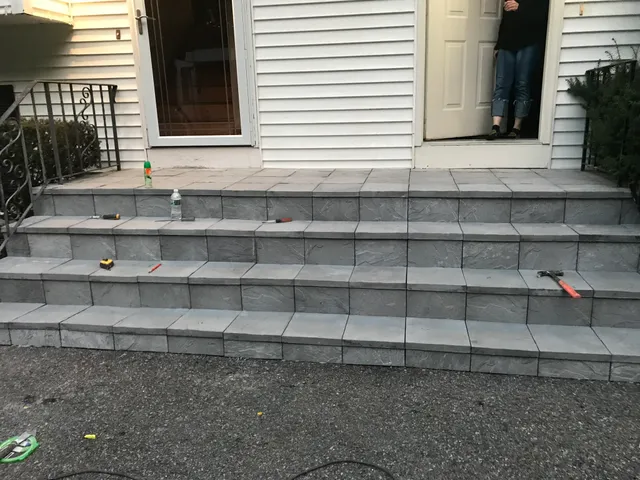
Decks are the single most common maintenance item along the coast. Wood swells, fasteners loosen, and boards cup after a few winters. Routine handyman-level deck work usually includes:
Replacing individual warped or split boards
Re-securing loose railings and balusters
Tightening or swapping hardware and fasteners
Cleaning and re-sealing or staining the surface
Fixing wobbly or worn stair treads
A note worth flagging: cosmetic and minor repairs are fine for a handyman, but if a deck needs structural rebuilding, new footings, or ledger replacement, that often crosses into work requiring a registered contractor and a permit. More on that below.
Cape-style home maintenance
Cape and colonial homes have their own rhythm of small fixes: trim and clapboard touch-ups, storm door adjustments, gutter cleaning, weatherstripping drafty windows, caulking exterior gaps, and re-hanging doors that stick after a humid stretch. None of these are glamorous, but skipping them is how small problems become expensive ones.
Getting Ready for Coastal Storm Season
Every fall, South Shore homeowners face the same reality: nor'easters and coastal storms are coming, and the time to prepare is before the wind picks up. A handyman is well suited to the prep-list side of storm readiness.
Typical seasonal storm prep includes:
Clearing and securing gutters and downspouts so water drains away from the foundation
Checking and re-caulking window and door seals
Securing loose siding, trim, and railings before high winds hit
Trimming back or hauling debris away from the house
Inspecting decks and outdoor structures for loose components
Drainage and basement protection deserve special attention in a region that sees heavy rain and power outages. Primary sump pumps run on household power, so a battery or water-powered backup matters most exactly when a storm knocks the electricity out. Installing or replacing a sump pump, though, is plumbing work, not handyman work, so keep that distinction in mind when you plan.
What a Handyman Can and Can't Do in Massachusetts
This is where South Shore homeowners get tripped up, so it is worth being precise. Massachusetts has no standalone "handyman license." That does not mean anyone can do anything. It means the legal line is drawn by the type and scale of the work, not by a handyman credential.
The Home Improvement Contractor rule
Larger residential jobs generally require a registered Home Improvement Contractor (HIC) through the Massachusetts Office of Consumer Affairs and Business Regulation. Massachusetts home-improvement law, MGL c.142A, sets out the protections that come with hiring a registered contractor, including:
Written-contract requirements for the work
Deposit limits so you are not overpaying up front
Access to the state's Guaranty Fund for eligible disputes with registered contractors
So a handyman replacing a couple of deck boards is one thing; a full deck rebuild or a substantial renovation is contractor territory, with a signed contract and, often, a permit.
Electrical, plumbing, and gas are always licensed trades
This part is not negotiable. In Massachusetts, certain trades are licensed at the state level, and a handyman may never perform them:
You can verify any of these credentials yourself. Mass.gov provides a straightforward way to check a professional license against the official state registry before you let anyone touch your home.
How to Vet a Handyman and Get Quotes for Small Jobs
Small jobs still deserve a small amount of diligence. A few minutes of checking saves you from the two most common problems: overpaying and hiring someone who cuts legal corners.
Confirm the scope is handyman-appropriate. If the job touches electrical, plumbing, gas, or structural work, plan for a licensed trade or registered contractor instead.
Verify credentials for larger work. For HIC-level jobs, confirm registration through OCABR; for trades, use the state license lookup.
Get itemized quotes. Ask what is labor, what is materials, and whether there is a minimum or trip fee. Compare at least two or three.
Check reviews across sources. A single glowing testimonial says little; a consistent pattern across platforms says a lot.
Insist on a written agreement for anything beyond a trivial task, even if it is a simple work order.
This is where a curated directory earns its keep. Tavlee's verified handyman listings for the South Shore check contractor credentials against official registries and weigh reviews across sources, so you are starting from a shortlist that has already cleared the basic hurdles.
Red Flags to Watch For
Contractor scams are not hypothetical in Massachusetts. In a recent case reported by Roofing Contractor, a Monson homeowner was approached by a man claiming to be a mason who said the chimney was at risk of collapse and offered to start repairs immediately for $25,000. The homeowner said the man began swinging a sledgehammer before a permit was pulled, and when the homeowner tried to stop him, the chimney was destroyed and the newly installed siding and part of the roof were damaged.
The company that had recently finished the siding recognized the tactic and urged the homeowner to call authorities.
The report lays out classic fraud warning signs that apply just as much on the South Shore:
Unsolicited arrival, often right after another crew has been working on your home
Pressure for immediate payment or an on-the-spot signature
Work starting without a signed contract or before a permit is pulled
Refusal or inability to provide licensing and insurance
Urgent "it will fail any minute" claims designed to rush you
The safest response to any of these is to slow down, verify the license, and require a signed contract before work begins.
Takeaways and Next Steps
Hiring well on the South Shore comes down to matching the job to the right person and verifying before you pay. Keep this checklist handy:
Bundle small tasks to make the most of minimums and trip fees.
Schedule deck and cape maintenance on a seasonal rhythm, and prep for storms before fall.
Know the legal line: no handyman license exists in Massachusetts, larger jobs need a registered HIC under MGL c.142A, and electrical, plumbing, and gas must go to licensed trades.
Verify every credential through Mass.gov and OCABR, and never let work start without a signed contract.
Start with a vetted shortlist and a realistic price range, then get itemized quotes for your specific list. That combination clears the backlog without clearing out your wallet.