Massachusetts home inspectors must be licensed by the state Board of Registration of Home Inspectors — verify on Mass.gov. A standard South Shore inspection covers structure, roof, electrical, plumbing, and heating; Title 5 septic is a separate, state-required inspection by an approved septic inspector (normally the seller's obligation) in non-sewered towns. Check FEMA flood maps on the coast, and hire an inspector independent of the selling agent.
Typical cost
$530 – $760
Tracked on Tavlee
82 home inspectors in South Shore
Buying a house in Quincy, Braintree, Weymouth, Hingham or Plymouth means signing one of the largest checks of your life, often within days of a competitive offer. The home inspection is the one step that tells you what you are actually buying, and on the South Shore that means understanding not just the house itself but its septic system, its flood exposure, and its aging mechanical guts.
This guide walks through what an inspection costs, how Massachusetts licenses inspectors, why Title 5 septic and coastal flood risk matter more here than in most markets, and how to pick someone you can trust.
What a Home Inspection Costs and What's Included
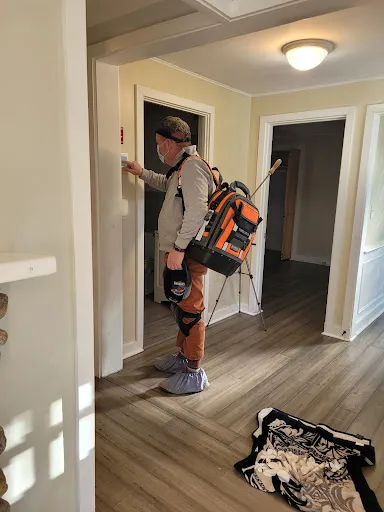
A standard home inspection is a visual, top-to-bottom review of a property's condition. The inspector examines the structure, roof, exterior, foundation, basement, attic, insulation, electrical system, plumbing, heating and cooling, and built-in appliances, then delivers a written report with photos and recommendations.
South Shore pricing tracks with the Greater Boston metro, and the biggest variables are square footage, age of the home, and add-on services. Rather than lean on a single quoted figure, use a market-based tool to sanity-check a bid: the Tavlee home inspection cost calculator at tavlee.com/s/boston/home-inspectors/cost gives you a local range so you can spot a lowball or a padded quote.
What's typically bundled versus billed separately:
Included in a standard inspection: structure, roof, electrical, plumbing, HVAC, interior/exterior, foundation, drainage.
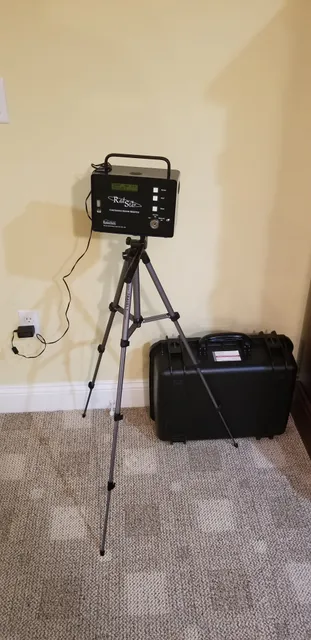
Common add-ons (extra cost): radon testing, pest and termite (wood-destroying insect) inspection, and mold or air-quality sampling.
Separate specialist, not the general inspector: Title 5 septic inspections (more on this below).
The cheapest quote is rarely the win. On older South Shore housing stock, a thorough inspector who spends the extra hour in a low crawlspace earns their fee many times over.
Massachusetts Licensing: Verify Before You Hire
What does a home inspection cost in South Shore?
Most inspections in South Shore run $530 – $760. Adjust the estimate for your job in the home inspector cost guide.
Top-rated home inspectors in South Shore
These are the strongest home inspectors on the evidence: reviews weighed across sources and licenses verified against the Massachusettsregistry. Rankings can't be bought.
Hiring home inspectors in South Shore: your questions
Do home inspectors in Massachusetts need a license?
Yes. Home inspectors in Massachusetts must be licensed by the state. Tavlee verifies each inspector's license against the Massachusetts registry.
How much does a home inspection cost on the South Shore of Massachusetts?
Pricing varies with the home's size, age, and any add-ons like radon or pest testing. Rather than rely on a single figure, check a local market range using the Tavlee cost calculator at tavlee.com/s/boston/home-inspectors/cost, then compare bids against it. Be skeptical of quotes far below the local range.
What is a Title 5 inspection in Massachusetts?
Title 5 is the Massachusetts regulation governing private septic systems. When a home on septic is sold, its system generally must be inspected by a state-approved septic inspector, separate from the general home inspection. The result is reported as passing, conditional, or failing, and a failing system can affect financing. It's normally the seller's obligation, but confirm that in your purchase and sale agreement.
Should I waive the home inspection in a competitive market?
Waiving is risky on the South Shore, where septic systems, oil tanks, coastal moisture, and aging postwar homes hide costly issues. If you feel pressure to strengthen an offer, consider an information-only inspection, where you inspect for knowledge without renegotiating, rather than skipping the process entirely.
What does a home inspector check?
A standard inspection covers the home's structure, roof, exterior, foundation, basement and crawlspaces, attic, insulation, electrical system, plumbing, heating and cooling, and built-in appliances. Radon, pest/termite, and mold testing are usually add-ons, and Title 5 septic is handled by a separate approved inspector.
Before you sign anything, confirm the license is real and active. The state's check a professional license tool lets you look up any Massachusetts trade credential against the official registry. It takes two minutes.
This matters because verification is your first line of defense against fraud. Massachusetts homeowners are regularly targeted by people posing as credentialed tradespeople who invent urgent, expensive "failures" and push to start work before anything is checked or signed. The playbook translates directly to inspections: verify the license, insist on a signed agreement, and be wary of anyone applying urgent pressure. To skip the manual lookup, Tavlee verifies every home inspector's license against the Massachusetts state registry and weighs reviews across sources, so the verified South Shore inspector listings already filter out anyone who isn't credentialed.
One inspection, several licensed trades
Remember that the home inspector's report often points you toward follow-up specialists, and each of those is separately licensed in Massachusetts:
When your inspection turns up problems, verify each specialist's license the same way you verified the inspector.
Title 5 Septic Inspections in Non-Sewered Towns
Here is where the South Shore diverges sharply from urban Boston. Many neighborhoods in towns like Plymouth, and pockets of Weymouth, Hingham and the surrounding communities, are not on municipal sewer. These homes run on private septic systems, and that triggers a separate legal requirement.
Under Massachusetts Title 5, administered by the state Department of Environmental Protection, a home on a septic system generally must have its septic system inspected by a state-approved septic inspector when the property is sold. Key facts to internalize:
The Title 5 inspection is separate from the general home inspection and is performed by a different, approved septic inspector, not your home inspector.
It is normally the seller's obligation, though buyers should confirm this in the purchase and sale agreement.
The outcome is reported as passing, conditional, or failing, and that result matters to your mortgage. Lenders often will not close on a failing system, and a replacement can run into serious money.
What you should do as a South Shore buyer:
Confirm sewer versus septic early, ideally before you even make an offer.
Ask for the Title 5 report and read the pass/conditional/fail determination.
If the system is conditional or failing, understand who is responsible for the fix and how it affects your financing and timeline.
Don't assume a house is on public sewer because it looks like it should be. Non-sewered neighborhoods are common enough here that verifying is a standard part of due diligence, not an edge case.
Coastal and Flood-Zone Considerations
The South Shore's waterfront towns carry risks that a general inspection alone won't quantify. Hingham, the shoreline stretches near Scituate, and coastal Plymouth all include properties with genuine storm and flood exposure.
Before you fall in love with a water view, do the homework:
Check the FEMA flood maps for the specific parcel using the FEMA Flood Map Service Center. FEMA's flood zone designations drive whether flood insurance is required and how much it costs.
Budget for flood insurance on properties in or near mapped flood zones. It is a recurring cost that can materially change your monthly outlay.
Ask about elevation and storm history. A home's first-floor elevation relative to the base flood elevation affects both insurance pricing and real-world risk.
Have the inspector focus on moisture intrusion, foundation condition, and any signs of past flooding in basements and crawlspaces.
Coastal exposure isn't a dealbreaker, but it should be a known, priced-in factor rather than a surprise after your first nor'easter.
Aging Housing Stock: The Postwar Cape
Quincy, Braintree and Weymouth are full of postwar Cape Cod-style homes, and they come with a predictable set of findings. A good inspector on the South Shore knows to look hard at:
Aging boilers and buried or above-ground oil tanks, which can be expensive to replace and, in the case of old tanks, an environmental liability.
Older electrical panels that may be undersized or use obsolete hardware.
Damp, low-clearance basements and crawlspaces where moisture and limited access hide problems.
Asbestos-wrapped pipes and old insulation, common in homes of this era.
Roofs and additions layered over decades, where multiple roof layers or DIY additions mask underlying issues.
When you read a report on one of these homes, expect a longer punch list than you'd see on new construction. That's normal. What matters is understanding which items are routine maintenance and which are five-figure surprises.
How to Choose an Inspector You Can Trust
License verification is the floor, not the ceiling. Use these criteria to separate a competent inspector from a rushed one:
Ask for a sample report. A thorough, photo-rich report with clear priorities tells you far more than a marketing pitch. A thin, checkbox-only report is a warning sign.
Attend the inspection in person. Walking the house with the inspector lets you ask questions in real time and see problems firsthand, which no written report fully captures.
Insist on independence from the selling agent. An inspector recommended by, and beholden to, the listing side has an incentive to soften findings. Choose your own.
Check reviews across multiple sources, not just one platform. Tavlee's approach of weighing reviews across sources and confirming the state license helps you avoid a single cherry-picked testimonial.
Confirm the license yourself on the Mass.gov license lookup, even if a directory has already done it.
Red flags and why waiving inspection is risky
Watch for anyone who pressures you to decide immediately, refuses to provide licensing or insurance, or wants to start work before a signed agreement exists.
In a competitive market, buyers are sometimes tempted to waive the inspection to make an offer more attractive. On South Shore housing stock, that is a genuine gamble. You could be waiving your one chance to discover a failing septic system, a compromised oil tank, or hidden water damage in a coastal basement. If you feel pressure to waive, consider negotiating an information-only inspection instead, where you inspect for knowledge but agree not to renegotiate, rather than skipping it entirely.
Key Takeaways and Next Steps
Verify the license first. Home inspectors must be licensed by the Massachusetts Board of Registration of Home Inspectors; confirm it on Mass.gov or use a directory like Tavlee that verifies for you.
Know sewer versus septic before you offer. In non-sewered South Shore neighborhoods, the Title 5 inspection is a separate, seller-side requirement with pass/conditional/fail stakes that affect financing.
Price in flood and coastal risk using FEMA flood maps for waterfront towns.
Expect a long punch list on postwar Capes and learn which findings are routine versus costly.
Don't waive lightly. The inspection protects you, and the small fee is trivial against a five-figure surprise.