Massachusetts movers are not building contractors: verify an in-state mover's MDPU carrier certificate and an interstate mover's US DOT number through FMCSA before booking. Boston costs hinge on triple-decker walk-ups, narrow-street truck access, elevator reservations, and the September 1 rush. Get written binding or non-binding estimates, never pay a large cash deposit, and insist on a signed contract and inventory.
Typical cost
$900 – $1,700
Tracked on Tavlee
327 movers in Greater Boston
Moving in Boston is its own particular challenge. Between triple-decker walk-ups, one-way streets barely wide enough for a truck, and the annual September 1 lease turnover, hiring the right crew matters more here than in most cities. This guide walks through what a local move actually costs, how Massachusetts regulates moving companies, how to compare quotes, and the warning signs that separate a legitimate mover from a scam.
A quick but important clarification up front: movers are not licensed as building contractors in Massachusetts. The state's Home Improvement Contractor (HIC) program run by the Office of Consumer Affairs and Business Regulation covers renovation trades, and the Division of Occupational Licensure houses the boards that license plumbers, electricians, and home inspectors. Movers fall under a different regulatory system entirely, which we'll cover below.
What a Local Move Costs in Greater Boston
Boston moving costs are driven less by distance and more by labor, access, and timing. A cross-town move can cost as much as a longer suburban one if your building fights you every step of the way.
The biggest cost drivers in this market:
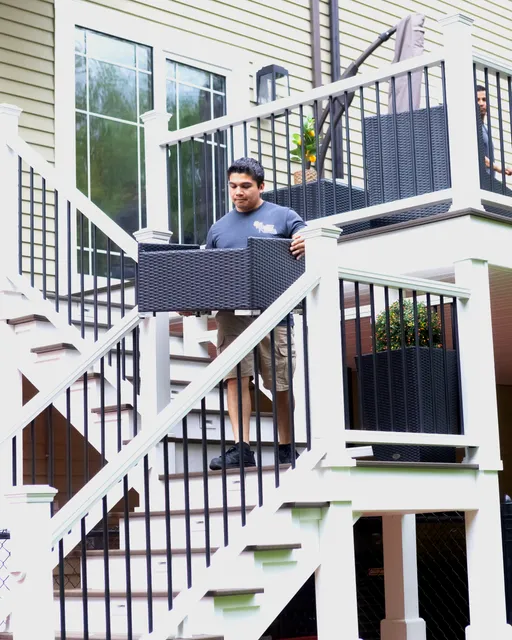
Stairs and walk-ups. The classic Boston triple-decker means two or three flights with no elevator. Movers charge more for third-floor carries because they take longer and require more crew.
Truck access and street width. Narrow streets in the North End, Beacon Hill, and parts of Somerville and Cambridge mean the truck may park far from your door, adding a long carry.
Elevator reservations. Many condo and apartment buildings require you to reserve the freight elevator and pad it in advance. Miss that window and your crew stands idle on the clock.
Timing. The end of the month, and especially the September 1 "Allston Christmas" lease-turnover crunch, is peak demand. Rates climb and availability shrinks.
What does a move cost in Greater Boston?
Most moves in Greater Boston run $900 – $1,700. Adjust the estimate for your job in the mover cost guide.
Top-rated movers in Greater Boston
These are the strongest movers on the evidence: reviews weighed across sources and licenses verified against the Massachusettsregistry. Rankings can't be bought.
Movers aren't licensed as building contractors, but Massachusetts regulates household-goods movers separately — an intrastate mover should hold the state's carrier certificate, and interstate movers a US DOT number. Check for those numbers on the company's truck or website before booking.
How much do movers cost in Boston?
Boston movers typically bill by the hour for a crew plus a truck, with costs driven by stairs, walk-ups, street access, elevator reservations, and timing. Because rates shift seasonally and vary by building, the most reliable way to get a current number is Tavlee's live Boston movers cost calculator, which reflects this metro's specific realities rather than a national average.
How much should you tip movers in Boston?
Tipping is discretionary, but it is customary to tip a crew that handled a difficult job well, and Boston jobs often are difficult given third-floor walk-ups and long carries from narrow streets. Base your tip on the quality of the work and the physical demands of your move, and tip each crew member directly.
How far in advance should you book movers in Boston?
Book as early as you can, and much earlier if you are moving around the end of the month or the September 1 "Allston Christmas" lease turnover, when demand across the city peaks and availability disappears fast. Reserving your building's freight elevator and applying for the City of Boston moving-truck parking permit on the same timeline keeps everything aligned for moving day.
Volume and packing. More boxes, more furniture, and full-service packing all add hours.
Most local movers bill by the hour, typically for a crew of two or three plus a truck, with a minimum number of hours. Because published rates vary widely and change seasonally, use a current estimate tool rather than an old figure. Tavlee's live Boston movers cost calculator lets you plug in your specifics to get a metro-accurate range instead of a national average that ignores the walk-up problem.
Don't Forget the Parking Permit
The City of Boston requires a moving-truck parking permit to legally reserve curb space for your truck. Without it, your movers may have no legal spot and could be blocked or ticketed. You apply through the City of Boston's Transportation Department and post the signs in advance so the space is clear on moving day. Build this into your timeline; it is one of the most overlooked steps in a Boston move.
How Massachusetts Regulates Moving Companies
Here is where movers differ from every other trade in this state. They are not HIC-registered contractors and not licensed by the occupational boards. Instead, they fall under transportation regulation, and the rules split based on where you are moving.
Intrastate Moves: The MDPU Carrier Certificate
If your move stays entirely within Massachusetts, the mover must hold a carrier certificate from the Massachusetts Department of Public Utilities (MDPU). This is the state authority for household goods carriers operating inside the commonwealth. A mover without this authority is operating outside the law, and that is a signal to walk away.
Interstate Moves: US DOT and FMCSA
If you are crossing state lines, say Boston to New Hampshire, Rhode Island, or beyond, the mover must be registered with the Federal Motor Carrier Safety Administration (FMCSA) and carry a US DOT number. The federal government's consumer resource, FMCSA's Protect Your Move, lets you look up a mover's US DOT registration and read its guidance on avoiding moving fraud.
Interstate movers must be FMCSA-registered with a searchable US DOT number, and consumers can verify that registration before hiring.
The practical takeaway: ask which type of move you have, then verify the matching credential. An intrastate mover should give you MDPU authority; an interstate mover should give you a US DOT number you can look up on FMCSA's site.
Tavlee's verified Boston movers directory checks these registrations against the official registries and weighs reviews across multiple sources, which saves you from cross-referencing government databases by hand.
How to Compare Moving Quotes
Getting three quotes is standard advice, but the number matters less than making them genuinely comparable. Two quotes with the same dollar figure can mean wildly different things depending on the estimate type.
Binding vs. Non-Binding Estimates
Binding estimate. The price is locked in based on the agreed inventory and services. As long as nothing changes, you pay the quoted amount, which makes budgeting predictable.
Non-binding estimate. The mover's best guess. Your final bill is based on actual hours or weight, so it can rise if the job runs long, and it often does in walk-up buildings.
For Boston moves, an in-home or video survey produces a far more accurate estimate than a phone quote, because the mover can see your stairs, your access, and how much you actually own.
Make the Quotes Line Up
Give every mover the same inventory. Same list, same origin and destination details, same services requested.
Ask what the hourly rate includes. Travel time, truck fee, fuel, materials, and the minimum hours all change the real total.
Confirm valuation and insurance. Understand the difference between basic released-value protection and full-value coverage.
Get everything in writing. A verbal quote is not a quote you can hold anyone to.
Check reviews across sources, not just the ones a company hand-picks for its own site.
Moving-Scam Red Flags
Contractor and mover fraud follows recognizable patterns, and a recent Massachusetts case shows how fast a scam can escalate. As reported by Roofing Contractor, a Monson homeowner was targeted by a man claiming to be a mason who said the chimney was at risk of collapse and offered to start immediately for $25,000. The homeowner said the man began swinging a sledgehammer before any permit was pulled, and by the time the homeowner tried to stop him, the chimney was destroyed along with newly installed siding and part of the roof.
That case involved a home-improvement scam, not a mover, but the tactics are identical to the ones that plague the moving industry: unsolicited pressure, manufactured urgency, and no paperwork.
Watch for these red flags when hiring a mover:
Large cash deposits demanded upfront. Legitimate movers do not require big cash payments before the work.
Hostage loads. A mover who loads your belongings, then demands far more than the estimate before unloading, is running a known scam.
No written inventory or contract. If nobody documents what is being moved, you have no recourse when items go missing.
Refusal to provide licensing or insurance. A legitimate mover will give you MDPU authority or a US DOT number without hesitation.
High-pressure tactics and manufactured urgency. Pressure to sign or pay immediately is a classic warning sign, exactly as in the Monson case.
Vague or phone-only estimates. A company that won't survey the job is not accountable for the final bill.
FMCSA's Protect Your Move publishes a full list of moving-fraud warning signs and is worth reading before you sign anything.
Your Greater Boston Moving Checklist
To pull it together, here is the sequence that protects you:
Determine your move type (intrastate vs. interstate) so you know which credential to verify.
Verify the credential (MDPU carrier certificate or US DOT number via FMCSA).
Get three comparable written estimates using the same inventory, and clarify binding vs. non-binding.
Reserve your building's freight elevator and apply for a City of Boston moving-truck parking permit early.
Watch for red flags and refuse to let anyone start without a signed contract.
Do those five things and you eliminate most of the risk in a Boston move. A verified directory like Tavlee handles the credential-checking and review-weighting so you can focus on the logistics, and its cost calculator gives you a realistic budget before you make a single call.