Massachusetts doesn't license landscapers, and landscaping-only companies are generally exempt from HIC registration under MGL c.142A §14 — so vet Boston crews on insurance certificates, written contracts, and an MDAR applicator license if they spray. Expect separate pricing for recurring maintenance versus design-build projects; tight brownstone courtyards and postage-stamp yards raise per-square-foot costs, and many firms bundle snow removal into annual agreements.
Typical cost
$50 – $70
Tracked on Tavlee
1668 landscapers in Greater Boston
Hiring someone to work on your Boston yard sounds simple until you start collecting quotes. One landscaper wants a flat monthly fee, another wants to redesign your whole brownstone courtyard, and a third shows up unannounced offering a deal that's too good to pass up. Knowing what things should cost, what the state actually regulates, and how to spot trouble will save you money and headaches.
This guide walks through seasonal versus project pricing, what Massachusetts does and doesn't license for landscaping, how to compare maintenance plans against design-build bids, and the warning signs that separate a legitimate crew from a scam.
What Landscaping Actually Costs in Greater Boston
Landscaping costs fall into two buckets, and they behave differently. Recurring maintenance is predictable and budgeted monthly or seasonally. Project work is a lump-sum investment tied to a specific outcome like a new patio, plantings, or drainage.
Seasonal and maintenance work in the city tends to include:
Weekly or biweekly mowing and edging during the growing season
Spring and fall cleanups (leaf removal, bed prep, cutbacks)
Fertilization, aeration, and overseeding
Pruning of shrubs and small ornamental trees
Mulch refresh in beds and around street-tree pits
Project-based work is where the numbers climb and vary the most:
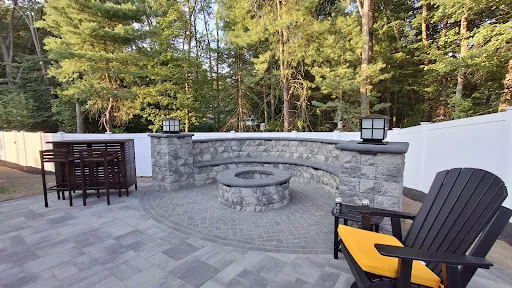
Hardscaping (patios, walkways, retaining walls in tight courtyards)
New planting design and installation
Drainage and grading fixes, common in older Boston lots
Irrigation system installation
Sod or full lawn renovation
Because Boston lots skew small, pricing here doesn't always track suburban averages. A postage-stamp backyard behind a triple-decker or a shaded brownstone courtyard often costs more per square foot to work in, not less. Access is the reason: crews carry materials through narrow side yards, basements, or shared alleys, and there's rarely room to stage equipment.
What does landscaping cost in Greater Boston?
Most landscaping services in Greater Boston run $50 – $70. Adjust the estimate for your job in the landscaper cost guide.
Top-rated landscapers in Greater Boston
These are the strongest landscapers on the evidence: reviews weighed across sources and licenses verified against the Massachusettsregistry. Rankings can't be bought.
Hiring landscapers in Greater Boston: your questions
Do landscapers in Massachusetts need a license?
Massachusetts doesn't license landscaping as its own trade, and landscaping-only companies are generally exempt from home-improvement registration. Parts of a job can still require a license — applying pesticides commercially, connecting irrigation to your water supply (a licensed plumber), or structural retaining walls. Tavlee shows verified license status wherever a job requires one.
How much does landscaping cost in Boston?
It depends on whether you're paying for recurring maintenance or a one-time project. Maintenance is billed weekly, biweekly, or seasonally and covers mowing, cleanups, and bed care, while projects like patios, plantings, and drainage are lump sums driven by materials and site access. Boston's small, hard-to-access lots can raise per-square-foot costs, so run your job through the Boston landscaping cost calculator for a local estimate before comparing quotes.
When should I book a landscaper in Massachusetts?
Book early. Reliable crews fill their spring cleanup and mowing schedules fast, and design-build projects need lead time for materials and permits. If you want snow removal bundled into your agreement, lock that in before winter so you're on the plow route when the first storm hits.
What's included in a full-service lawn care plan?
A full-service plan typically bundles regular mowing and edging, spring and fall cleanups, fertilization, aeration and overseeding, mulch refresh, and shrub pruning. Some plans add pest and weed treatment, which requires an MDAR-licensed applicator, and many Boston firms fold snow removal into the same annual contract. Always confirm visit frequency and exactly what each visit covers.
Can a landscaper do anything with a tiny Boston yard or condo courtyard?
Yes. Small urban spaces, postage-stamp gardens, and brownstone courtyards are common work for Boston crews, from container plantings and vertical greenery to compact hardscaping and street-tree pit care. The main constraints are access and staging, so mention any narrow entries or shared alleys when you request a quote.
Rather than guess, run your specific job through a live cost tool. The Boston landscaping cost calculator on Tavlee is built around local pricing so you can pressure-test a quote before you sign.
What Drives the Price Up or Down
A few factors explain most of the spread between quotes:
Access and staging. If a crew can't get a truck or mini-excavator close, labor hours climb.
Material choice. Bluestone, granite, and specimen plants cost multiples of concrete pavers and common shrubs.
Site prep. Old tree stumps, poor drainage, and buried debris turn a one-day job into three.
Frequency and scope of maintenance. Weekly service costs more than biweekly, and "full-service" plans bundle fertilization and cleanups that basic mowing does not.
Snow season commitments. Many Boston firms bundle snow removal into an annual agreement, which shifts your winter budget onto the same contract.
What Massachusetts Does and Doesn't License for Landscaping
This is the part most homeowners get wrong. Massachusetts does not issue a general landscaper license. Anyone can mow lawns, plant beds, or lay mulch without a state trade credential. That doesn't mean anything goes, though, because specific tasks within a landscaping job cross into licensed territory.
Landscaping and the Home Improvement Contractor Law
Massachusetts regulates most residential renovation work through the Home Improvement Contractor (HIC) program, run by the Office of Consumer Affairs and Business Regulation under MGL c.142A. That law sets contract requirements, deposit limits, and homeowner protections including a Guaranty Fund.
Here's the nuance: landscaping-only firms are generally exempt from HIC registration under MGL c.142A §14. Pure lawn care, planting, and grading typically fall outside the program. But once a project touches the structure of your home, HIC rules can come into play. If your landscaper is also building an attached deck or altering the dwelling, ask whether they're HIC-registered and verify it. Structural retaining walls are another crossover point: taller or load-bearing walls can require a building permit and, depending on the project, a registered HIC or a licensed construction supervisor (CSL).
Because there's no landscaper license to check, your protection comes from paperwork instead: ask for a current certificate of liability insurance (and workers' comp), get a written contract with scope and payment terms, and verify any specialized credentials the job actually touches.
The Specialized Credentials That Do Apply
Several common landscaping add-ons require a real, verifiable license:
Commercial pesticide application. If a company sprays your lawn for weeds, grubs, or pests as a paid service, it needs an applicator license from the Massachusetts Department of Agricultural Resources. MDAR runs the state pesticide program.
Irrigation hookups. Connecting an irrigation system to your home's water supply is plumbing work. In Massachusetts, plumbing is licensed at the state level through the Board of State Examiners of Plumbers and Gas Fitters. Use a licensed plumber for that connection.
Any electrical work. Landscape lighting tied into your electrical system belongs to a state-licensed electrician, per the Board of State Examiners of Electricians.
Structural, plumbing, gas, and electrical work in Boston requires permits and inspections through the Inspectional Services Department. Straightforward planting or mowing won't need a permit, but tying in irrigation, running electrical for lighting, or building certain hardscape features can. A legitimate contractor knows this and pulls permits before starting.
That last point matters more than it sounds. In a recent case reported by Roofing Contractor, a Monson, Massachusetts homeowner said a man claiming to be a mason began demolition with a sledgehammer before any permit was pulled. Work starting without a permit is a signal, not a shortcut.
How to Compare Maintenance Plans and Design-Build Quotes
Maintenance agreements and project bids are different animals, so compare them differently.
Evaluating a Maintenance Plan
A maintenance quote should read like a schedule, not a mystery. Look for:
What each visit includes, mowing versus mowing plus edging, blowing, and bed care
Seasonal services broken out, spring cleanup, fall cleanup, aeration, overseeding
Whether fertilization and pest treatment are included, and if those require an MDAR-licensed applicator
Snow removal terms, if bundled, including trigger depth and priority
Two "lawn care" quotes can differ by hundreds of dollars simply because one is basic mowing and the other is a full program. Line up the scopes side by side before you compare dollars.
Evaluating a Design-Build Quote
Project bids need more scrutiny. Ask for:
An itemized scope with materials specified by type and quantity
A written contract with a start date, completion window, and payment schedule
A reasonable deposit, not a demand for most of the money upfront
Proof of insurance and, where trades are involved, license numbers you can verify
A plan for permits where the work requires them
Get at least three bids on any significant project. If one quote is dramatically lower, find out what's missing. Cheaper often means thinner materials, no site prep, or an unlicensed subcontractor handling irrigation or lighting.
A directory that verifies credentials removes a lot of the guesswork. Tavlee checks Boston-area contractor credentials against official registries and weighs reviews across multiple sources, so you can browse verified Boston landscaper listings instead of vetting strangers one at a time.
Red Flags to Avoid
Most landscaping hires go fine. The ones that don't tend to share the same warning signs, several of which appear in that Roofing Contractor report on the alleged Monson scam. In that case, a man claiming to be a mason allegedly told the homeowner his chimney was at risk of collapse and offered to start immediately for $25,000, then began swinging a sledgehammer before a permit was pulled. When the homeowner tried to stop the work, the chimney was destroyed and nearby siding and roofing were damaged.
Watch for these patterns:
Unsolicited arrival, especially right after another crew finished a job on your property
Pressure to pay or sign immediately, framed as a limited-time deal
Urgent failure claims designed to scare you into action ("this could collapse today")
Work starting with no signed contract and no deposit terms
Refusal or inability to show licensing and insurance
No permit pulled for work that clearly requires one
The article credited the original siding contractor with recognizing the tactic and urging the homeowner to call authorities.
The coverage advises verifying a contractor's Massachusetts license or registration with the Office of Consumer Affairs and Business Regulation and never allowing work to start without a signed contract. That guidance applies to landscaping projects that touch licensed trades just as it does to masonry and roofing.
Takeaways and Next Steps
Hiring a landscaper in Boston comes down to matching the scope to the price and confirming credentials for the parts that are actually regulated.
Separate recurring maintenance from project work when you budget.
Remember there's no state landscaper license, but pesticides need MDAR, and irrigation and lighting hookups need a licensed plumber or electrician.
Compare scopes, not just totals, and get three bids on projects.
Insist on a signed contract, a reasonable deposit, and permits where required.
Walk away from pressure, urgency, and unsolicited pitches.
Start by pricing your specific job on the Boston landscaping cost calculator, then shortlist a few verified landscapers and request written quotes. A little verification upfront keeps your small urban yard, courtyard, or street-tree pit in good hands.