Massachusetts has no handyman license: small repairs like sash windows, trim rot, and storm doors are fair handyman work, larger jobs need an OCABR-registered Home Improvement Contractor, and electrical or plumbing must go to licensed trades. North Shore handymen bill hourly with minimums or flat per task; antique woodwork, staging, and hidden coastal rot drive quotes up. Get written scopes and book spring and fall maintenance passes.
Typical cost
$220 – $850
Tracked on Tavlee
361 handymen in North Shore
Owning an older home near the water on Massachusetts' North Shore is a particular kind of commitment. The antique colonials of Salem, the sea captain's houses in Beverly and Gloucester, the triple-deckers in Lynn, and the mix of eras in Peabody all share one thing: they need steady, small-scale upkeep, and lots of it. Salt air and nor'easters do not wait for a convenient time.
A good handyman is the person who keeps those homes standing between the big projects. But hiring one in Massachusetts comes with rules many homeowners do not know about, and coastal wear makes the stakes higher here than in a landlocked town. This guide walks through what North Shore repairs actually cost, what a handyman can legally do in the Commonwealth, and when you are required to bring in a registered contractor or a licensed tradesperson instead.
Why North Shore Homes Need a Handyman More Than Most
Homes within a few miles of the coast take a beating that inland houses never see. The recurring problems are predictable, and they are almost all small-repair work:
Wood sash windows that stick, rattle, or lose their glazing after decades of damp and salt.
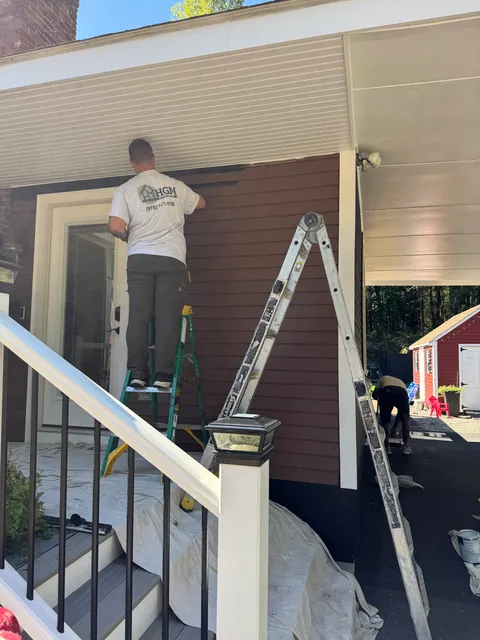
Exterior trim rot where water finds the seam between clapboard, casing, and sill.
Storm doors and screens that get torn loose or knocked out of alignment by coastal wind.
Peeling paint and failing caulk that let moisture into siding and framing.
Loose gutters and flashing that a nor'easter can turn into an interior leak overnight.
An antique home in Salem or Gloucester was often built long before modern flashing details existed. That means the maintenance rhythm is faster than a newer suburban house, and the difference between a $200 repair and a $20,000 restoration is often whether you caught the rot early.
Typical Handyman Rates on the North Shore and What Drives Them
Handyman pricing on the North Shore generally tracks with the wider Greater Boston market, but a few local factors push it around. Rather than quote a specific figure, it helps to understand the structure of how handymen bill and what raises or lowers your quote.
What does handyman work cost in North Shore?
Most handyman visits in North Shore run $220 – $850. Adjust the estimate for your job in the handymen cost guide.
Top-rated handymen in North Shore
These are the strongest handymen on the evidence: reviews weighed across sources and licenses verified against the Massachusettsregistry. Rankings can't be bought.
Massachusetts doesn't issue a general handyman license, but larger jobs often require a registered home-improvement contractor, and any electrical or plumbing work must be done by a licensed tradesperson. Tavlee shows verified license status wherever a job requires one.
How much does a handyman charge on the North Shore?
Rates vary by how the pro bills (hourly with a minimum, or flat per task) and by the job itself. Access, height, matching antique trim, and hidden rot all push quotes up. Check a metro baseline like Tavlee's Boston-area cost calculator, then get two or three written quotes so you are comparing like for like.
What jobs can a handyman legally do in Massachusetts?
Massachusetts has no general handyman license, so minor repairs like trim patching, hardware swaps, caulking, and door adjustments are generally fine. Larger home-improvement work typically requires a registered Home Improvement Contractor under MGL c.142A, and electrical, plumbing, and gas work must go to state-licensed tradespeople.
Can a handyman fix old wood windows and rotted trim?
Yes. Re-glazing sash windows, freeing painted-shut sashes, and replacing rotted exterior trim and sills are classic handyman tasks, provided the scope stays within minor repair. If the work grows into a larger contracted project, it may fall under the HIC rules, and any electrical or plumbing found behind the damage must be handed to a licensed trade.
How often should a coastal home get small-repair maintenance?
Twice a year is a sensible rhythm near the water: a spring pass on windows and paint, and a fall pass on trim, caulk, gutters, and storm doors before nor'easter season. Salt air and coastal wind accelerate wear, so catching small problems early is what keeps them small.
Hourly, often with a minimum (a half-day or two-hour floor is common), which suits punch-list work like adjusting a storm door, replacing a few pieces of trim, or re-glazing a window.
Flat rate per task, which is common for well-defined jobs where the scope is clear before anyone starts.
The things that move a North Shore quote up:
Access and age. A three-story sea captain's house with original woodwork takes longer and more care than a ranch.
Rot and hidden damage. Trim repair near the coast often reveals more decay once the first board comes off, so many pros build in contingency.
Staging and height. Second-story window and gutter work may need ladders or staging, which adds time and risk.
Materials. Matching antique trim profiles or old-growth sash parts costs more than off-the-shelf stock.
Because quotes vary so much by scope, it is worth checking a live cost reference before you call. Tavlee's Boston-area handyman cost calculator gives a metro baseline you can use to sanity-check the estimates you receive, and you can browse verified North Shore handyman listings to compare providers whose credentials have been checked against official registries.
Get at least two or three written quotes for anything beyond a quick fix. A single verbal number tells you nothing about how the work is scoped.
What a Handyman Can and Can't Legally Do in Massachusetts
Here is the part most homeowners get wrong. Massachusetts has no general "handyman license." There is no state credential that says someone is a qualified handyman. That does not mean anything goes.
For genuinely minor repairs, a handyman can typically help without triggering the full HIC framework: adjusting a door, patching a small section of trim, swapping hardware, minor caulking and painting touch-ups. But larger jobs, structural work, and anything sold as a home-improvement contract generally require a registered Home Improvement Contractor under OCABR.
Registration matters because MGL c.142A gives homeowners real protections:
A written contract is required for covered work.
There are limits on deposits a contractor can demand up front.
Registered contractors pay into the Guaranty Fund, which can compensate homeowners in certain disputes.
If a person offers to do a substantial job with no contract and wants a large deposit in cash, they are asking you to give up exactly those protections.
Work a handyman may never legally touch
Some trades are licensed at the state level and are off-limits to any handyman, no matter how skilled:
So if your window repair uncovers a wiring problem, or your bathroom fix turns into a supply-line replacement, the handyman has to hand that portion to a licensed trade. That is not a hassle; it is the law protecting your home and your safety.
How to Vet a Handyman and Get Quotes for Small Jobs
A short, disciplined process saves you money and grief:
Define the scope in writing yourself first. List each task. "Re-glaze three sash windows, replace rotted sill on south-facing casing, adjust two storm doors." Clarity gets you comparable quotes.
Verify credentials against the official registry. If the job is large enough to need an HIC, confirm the registration with OCABR. For any electrical or plumbing element, verify the tradesperson's license through Mass.gov.
Confirm insurance. Ask for proof of liability coverage before anyone climbs a ladder on your property.
Get it in writing. Even for modest work, a written scope and price protects both sides. For HIC-covered jobs, the written contract is required.
Cross-check reviews across sources. A single glowing testimonial is easy to fake. Tools like Tavlee weigh reviews across multiple sources and verify credentials against official registries, which cuts through the noise.
Permits deserve a mention too. Larger renovation work generally needs permits and inspections from your local building department; in Boston that is the Inspectional Services Department, and North Shore cities have their own equivalents. A legitimate contractor pulls permits. Someone who starts swinging a hammer before a permit exists is a warning sign.
Red Flags: How Contractor Scams Actually Happen Here
The pressure tactics are consistent, and a recent Massachusetts case shows exactly how they play out. As reported by Roofing Contractor, a Monson homeowner who had just had siding installed was approached by a man claiming to be a mason, who said the chimney was at risk of collapse and offered to start repairs immediately for $25,000. The homeowner said the man began work with a sledgehammer before a permit was pulled, and when the homeowner tried to stop it, the chimney was destroyed and the new siding and roof were damaged.
The contractor that had done the original siding recognized the tactic and helped the homeowner contact authorities.
That story is a checklist of warning signs. Watch for:
Unsolicited arrival, often right after other work was done on your home.
Urgent failure claims designed to scare you ("your chimney could collapse").
Pressure for immediate payment or a signature.
Work starting with no contract, deposit terms, or permit.
Refusal or inability to provide licensing and insurance.
The defense is boring and effective: verify the license with OCABR, require a signed contract, and never let anyone begin work without one.
Coastal Upkeep: The North Shore Punch List
Because salt air accelerates everything, a proactive maintenance rhythm beats emergency repairs. On older homes near the water, keep an eye on:
Sash windows each spring: re-glaze cracked putty, free up painted-shut sashes, and check the sills for soft spots.
Exterior trim every fall before storm season: probe corner boards, water tables, and sill ends for rot and reseal joints.
Storm doors after big blows: re-tighten hinges and closers that wind has loosened.
Caulk and paint on the weather-facing elevations, usually the ones facing the ocean, which fail first.
Catching these small items keeps a handyman-sized job from becoming a restoration-sized one.
Takeaways
Hiring well on the North Shore comes down to three habits: scope the work in writing, verify credentials against the state's official registries, and never respond to pressure or urgency. Small repairs can go to a skilled handyman; larger jobs need a registered HIC; and anything electrical, plumbing, or gas has to go to a state-licensed trade.
Start by pricing your job against a metro baseline, then compare a few verified providers, get written quotes, and confirm every license before a single board comes off your antique home.