Massachusetts home inspectors must be licensed by the state Board of Registration of Home Inspectors — verify on Mass.gov. On the North Shore, expect the inspection to focus on antique-house issues: rotted sills, post-and-beam framing, fieldstone foundations, and coastal moisture. Costs scale with a home's age and size. Hire an inspector independent of the selling agent with real pre-1900 experience, and don't waive the inspection to win a bid.
Typical cost
$530 – $760
Tracked on Tavlee
104 home inspectors in North Shore
Buying a house on the North Shore means buying a piece of history. Salem, Beverly, Gloucester, Marblehead, and Newburyport are packed with 18th- and 19th-century homes, and those centuries-old structures hide problems a quick walkthrough will never reveal. A good home inspection is where you find out whether the sills are rotted, the foundation is sound, and the wiring is safe.
This guide covers what an inspection costs, how Massachusetts licenses inspectors, what a qualified pro looks for in an antique coastal house, and how to pick someone you can trust. If you are hiring on the North Shore, treat the inspection as the most important few hundred dollars you spend before closing.
What a Home Inspection Costs and What's Included
Inspection prices vary with the size, age, and complexity of the house, and antique homes tend to sit at the higher end because they take longer to evaluate. Rather than repeat a number that may be out of date, use a live pricing tool: the Tavlee home inspection cost calculator lets you estimate a realistic range for the Boston metro and North Shore based on your property's specifics.
A standard inspection is a visual, non-invasive assessment of the home's major systems and structure. Expect the inspector to cover:
Foundation and structure - framing, sills, and the basement or crawlspace
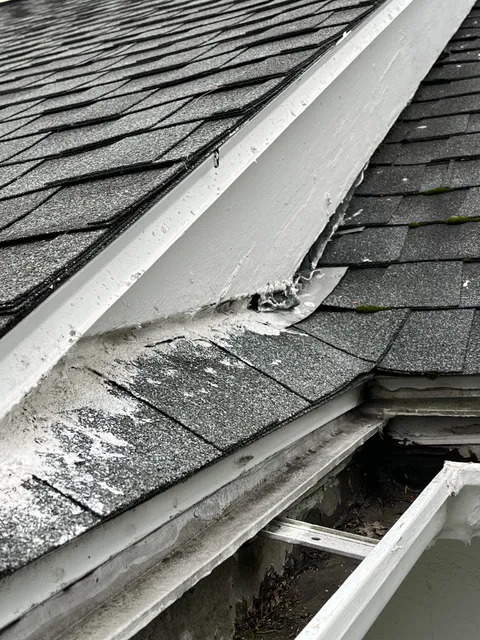
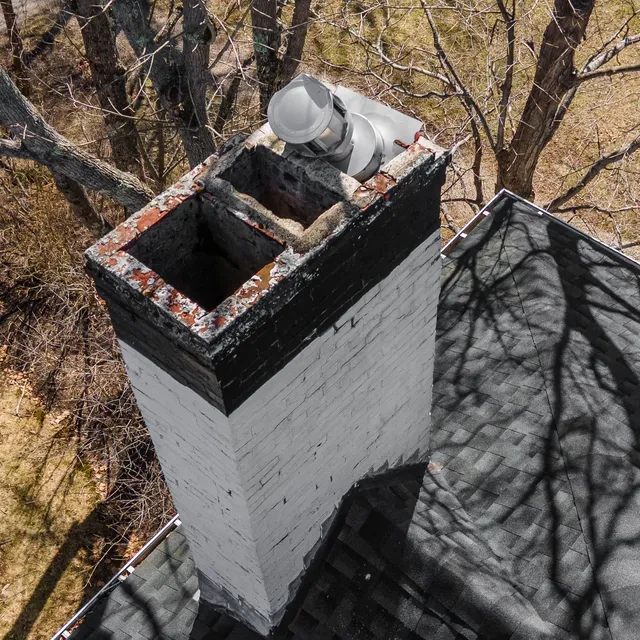
Roof, gutters, and flashing - especially important near the coast
Exterior - siding, trim, windows, and grading
Electrical system - service panel, wiring, and outlets
Plumbing - supply lines, drains, and the water heater
Heating and cooling - furnace, boiler, or heat pump age and condition
Interior - walls, ceilings, floors, and visible signs of moisture
What a standard inspection usually does include are specialized tests that require separate expertise or equipment. On the North Shore, the common add-ons matter more than in a modern subdivision:
What does a home inspection cost in North Shore?
Most inspections in North Shore run $530 – $760. Adjust the estimate for your job in the home inspector cost guide.
Top-rated home inspectors in North Shore
These are the strongest home inspectors on the evidence: reviews weighed across sources and licenses verified against the Massachusettsregistry. Rankings can't be bought.
Hiring home inspectors in North Shore: your questions
Do home inspectors in Massachusetts need a license?
Yes. Home inspectors in Massachusetts must be licensed by the state. Tavlee verifies each inspector's license against the Massachusetts registry.
How much does a home inspection cost on the North Shore of Massachusetts?
It depends on the size, age, and complexity of the house, and antique homes usually cost more to inspect because they take longer to evaluate. A large 18th-century house with a fieldstone foundation sits well above a small modern condo. Use the Tavlee cost calculator for a current range, and budget separately for add-ons like radon, pest, or Title 5 testing.
What does a home inspector check in an antique home?
Everything in a standard inspection — roof, structure, electrical, plumbing, heating, and interior — plus the antique-specific trouble spots: rotted or sistered sills, hand-hewn post-and-beam framing, fieldstone or rubble foundations, damp basements, knob-and-tube wiring, and aging boilers. An inspector experienced with pre-1900 construction can tell harmless old-house settlement from genuine structural failure.
Should I waive the home inspection in a competitive market?
It's a steep gamble, especially on a centuries-old house. Rotted sills, a failing foundation, or end-of-life systems can cost tens of thousands to fix and are invisible during a showing. If you need a stronger offer, ask your agent about a shortened inspection window or an informational-only inspection rather than waiving it outright.
Can a home inspection find hidden rot or moisture damage?
An inspection is visual and non-invasive, so an inspector can't open walls — but a good one reads the evidence: soft wood at sills and trim, water staining, efflorescence on foundation stones, failed caulk and paint, corroded fasteners, and musty basements. On the coast, where wind-driven rain and salt air accelerate rot, those clues usually surface long before a catastrophic failure.
Title 5 septic inspection - required for many property transfers where homes are not on municipal sewer
Radon testing - a real concern in New England's granite geology
Pest and termite (wood-destroying insect) inspection - critical in old post-and-beam and wood-framed houses
Budget for the add-ons you actually need. In older neighborhoods away from the sewer main, a Title 5 inspection can be the difference between a smooth closing and a five-figure surprise.
Don't take a license claim at face value. You can confirm any inspector's standing yourself through the state's check a professional license page, which verifies credentials against the official registry. It takes a couple of minutes and rules out the kind of imposter problem that plagues other trades.
Massachusetts homeowners are periodically targeted by people posing as credentialed tradespeople who invent urgent problems to force a fast, expensive decision. Urgency, pressure, and a refusal to document credentials are warning signs across every trade — and a two-minute license check screens most of them out.
If you want to skip the guesswork, directories that pre-verify credentials save time. Tavlee's North Shore home inspector listings check each inspector's license against the Massachusetts state registry and weigh reviews across sources, so you start from a vetted shortlist rather than a phone book.
Related Trades You May Also Verify
An inspection often flags issues that need a licensed specialist to fix or evaluate. Massachusetts licenses those trades through separate boards, and each is searchable:
What Inspectors Look For in a Centuries-Old Coastal House
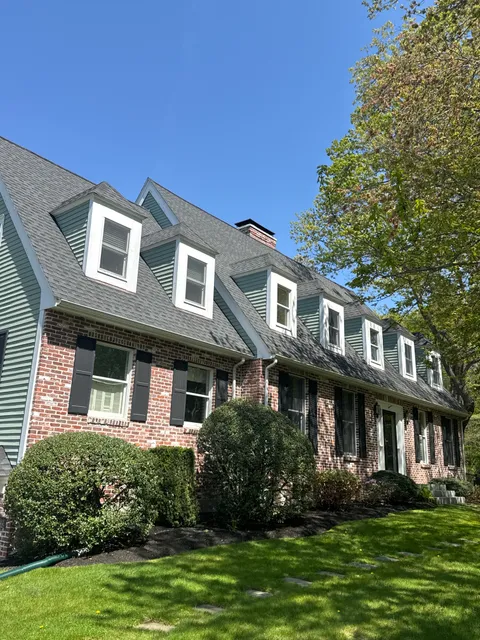
An antique home on the North Shore is a different animal from a 1990s colonial. The framing, foundations, and systems predate modern codes, and the salt air adds its own damage. A competent inspector spends extra time on the features that define these houses.
Sills, Framing, and Post-and-Beam Structure
The most consequential problem in an old wood-framed house is a rotted sill, the horizontal timber where the frame meets the foundation. Inspectors look for soft, punky wood, evidence of past repairs where beams have been sistered (a new member bolted alongside a failing one), and sagging floors that hint at structural movement.
Post-and-beam framing, common in 18th- and early 19th-century homes, was built by hand and rarely conforms to a level, plumb standard. An inspector experienced with antique construction knows the difference between charming settlement and a genuine failure.
Foundations and Damp Basements
Many of these homes sit on fieldstone or rubble foundations rather than poured concrete. Those walls can shed water, shift, and harbor moisture. Inspectors check for water staining, efflorescence, active seepage, and mortar that has crumbled away between stones. A persistently damp basement accelerates rot in the framing directly above it.
Aging Systems Near End of Life
Older heating, electrical, and plumbing systems are a running theme in antique houses. Knob-and-tube wiring, undersized service panels, galvanized supply lines, and decades-old boilers all show up. The inspector's job is to document age and condition so you can plan replacements and budget accordingly.
Coastal Moisture and Salt Air
Living near the water in Gloucester or Marblehead brings wind-driven rain and salt-laden air that punish exterior trim, sills, and windows. Inspectors look closely at rot at trim joints, failed paint and caulk, corroded fasteners, and any place where moisture has found a path into the wall assembly. On the coast, small failures spread fast.
How to Choose a Trustworthy Inspector
Once you have confirmed licensing, a few practices separate a thorough inspector from a rubber-stamp:
Ask for a sample report. A quality report includes photos, plain-language descriptions, and clear priorities. If a sample looks like a checklist with no detail, keep looking.
Attend the inspection. Walking the house alongside the inspector is the fastest way to understand what you're buying. You'll hear the nuance that never makes it onto paper.
Insist on independence from the selling agent. An inspector recommended by the listing agent may have an incentive to keep deals moving. Hire your own.
Confirm experience with antique homes specifically. Ask directly how many pre-1900 houses they inspect each year and how they evaluate post-and-beam framing and fieldstone foundations. General experience is not the same as antique experience.
Using a directory like Tavlee's verified North Shore inspector listings helps here too, since it combines license verification with reviews pulled from multiple sources rather than a single curated page.
Red Flags and Why Waiving the Inspection Is Risky
Classic home-services fraud follows the same script everywhere. Watch for anyone who:
Shows up unsolicited or right after another contractor's job
Pressures you to pay or sign immediately
Wants to start work before a signed contract or, for repairs, before a permit is pulled
Refuses or cannot provide license and insurance information
Leans on urgent "about to fail" claims to rush your decision
In hot North Shore markets, buyers sometimes waive the inspection to make an offer more competitive. On a centuries-old house, that gamble is steep. Rotted sills, a failing fieldstone foundation, or end-of-life systems can cost tens of thousands to remedy, and none of it is visible during a showing. Skipping the inspection doesn't make those problems go away; it just moves the surprise to after you own the house.
Key Takeaways and Next Steps
Hiring a home inspector on the North Shore comes down to three things: verify the license, hire experience with antique coastal homes, and never skip the inspection to win a bid.
Estimate your cost with the Tavlee cost calculator and budget for Title 5, radon, and pest add-ons.