Most North Shore general contractors need Massachusetts HIC registration, plus a CSL license for structural work — verify both through the state registries. Deposits are capped at one-third of the contract price except special-order materials. On antique colonials in Salem or Marblehead, budget for historic-district commission review, salt-air-rated materials, and foundation surprises, and compare at least three written bids on the same scope.
Typical cost
$23,000 – $35,000
Tracked on Tavlee
1779 general contractors in North Shore
Renovating an antique colonial in Salem or adding onto a saltbox in Marblehead is not the same job as remodeling a newer suburban home. On Massachusetts' North Shore, the housing stock is old, the coastal air is unforgiving, and the paperwork rules are strict. Hiring the right general contractor (GC) is the single decision that determines whether your project goes smoothly or turns into a cautionary tale.
This guide walks through what it costs to hire a GC in towns like Lynn, Salem, Peabody, Beverly, Gloucester, and Marblehead, how Massachusetts licensing actually works, what the law says about deposits, and the specific challenges of working on 18th- and 19th-century homes near the ocean.
How North Shore contractors price the job
Most general-contractor pricing falls into two structures, and knowing the difference protects your budget.
Fixed bid (lump sum): The contractor quotes one price for the defined scope. This works best when the project is well-documented and the surprises are limited. You carry less risk; the contractor carries more, so they build a cushion into the number.
Cost-plus: You pay the actual cost of labor and materials plus an agreed markup or fee. This suits gut renovations of old homes where nobody can predict what is behind the plaster until demolition starts. You carry more risk, but you also avoid paying for padding that never gets used.
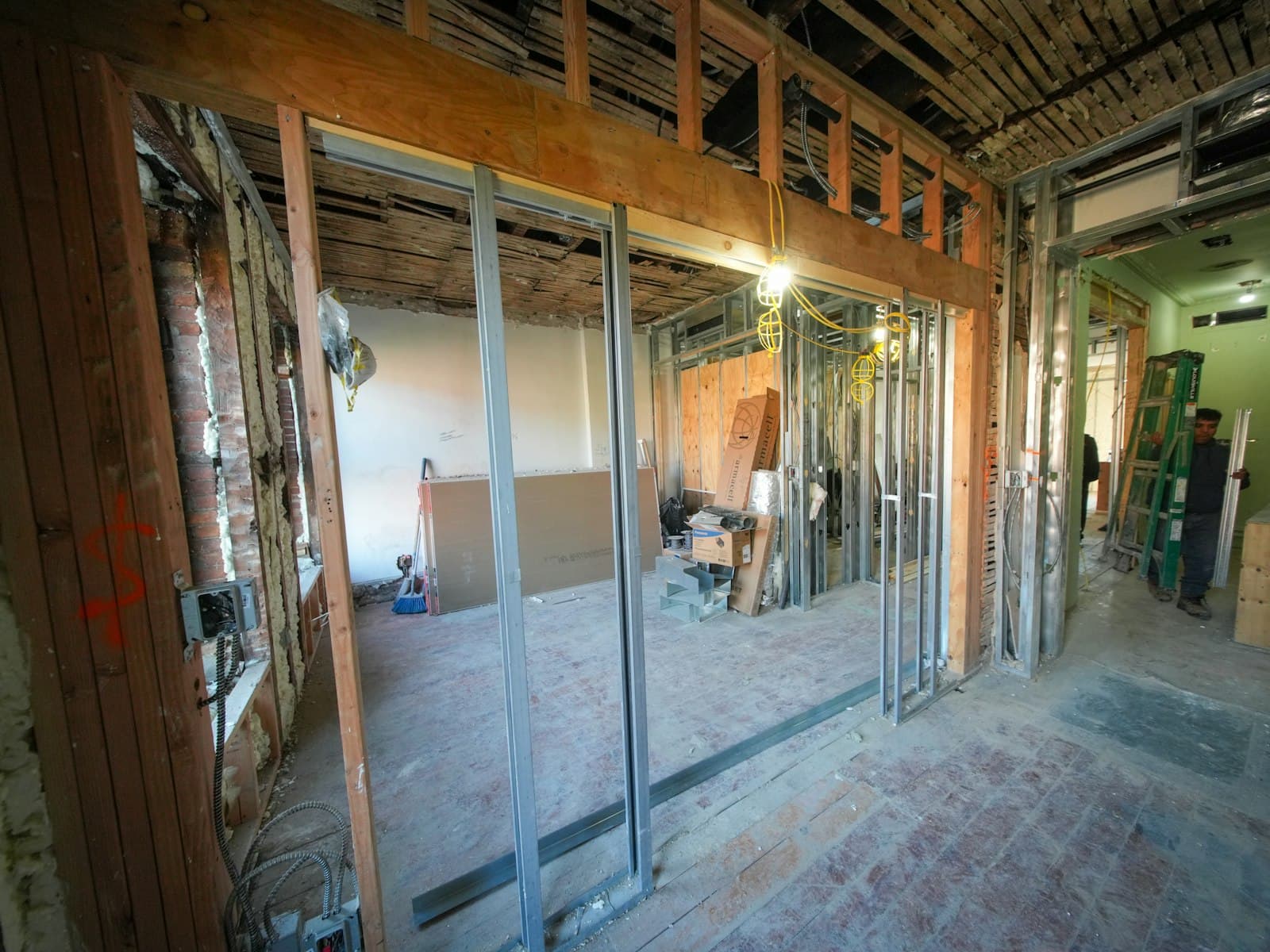
GC markup typically covers overhead, coordination of subcontractors, insurance, and profit. On the North Shore, older homes tend to push projects toward cost-plus or a hybrid model with allowances, because rubble foundations, knob-and-tube wiring, and hidden rot rarely reveal themselves during the estimate.
Before you compare numbers, it helps to ground your expectations in real ranges. Tavlee's live cost calculator for the Boston metro gives you a sense of what local work runs before the first contractor visit.
HIC registration vs. CSL license: which one your project needs
This is where many homeowners get confused, and where scammers exploit the confusion. Massachusetts uses two different credentials, and they are not interchangeable.
What does a remodeling project cost in North Shore?
Most remodeling projects in North Shore run $23,000 – $35,000. Adjust the estimate for your job in the general contractor cost guide.
Top-rated general contractors in North Shore
These are the strongest general contractors on the evidence: reviews weighed across sources and licenses verified against the Massachusettsregistry. Rankings can't be bought.
Hiring general contractors in North Shore: your questions
Do general contractors in Massachusetts need a license?
Most home-improvement work in Massachusetts requires the contractor to be a registered or licensed home-improvement/general contractor. Tavlee verifies each contractor's registration against the Massachusetts registry.
How much does a general contractor charge on the North Shore?
It depends on scope, the age of the home, and whether you choose a fixed bid or cost-plus arrangement. GC pricing bundles labor, materials, subcontractor coordination, overhead, and a markup for profit. Older North Shore homes with rubble foundations and hidden conditions often cost more because of the contingencies involved. Use Tavlee's Boston-metro cost calculator and collect at least three written bids for the same scope to build a realistic range.
How much should I pay a contractor up front in Massachusetts?
Massachusetts law caps deposits at one-third of the total contract price, except when the contractor must purchase special-order or custom materials, in which case the deposit may cover those material costs. Anyone demanding a large up-front payment beyond that limit is not following MGL c.142A, and that is a reason to walk away.
How do I check a contractor's references?
Ask for recent clients with projects similar to yours, ideally older-home or historic-district work if that applies, and actually call them. Ask about budget adherence, schedule, communication, and how surprises were handled. Then read reviews across multiple independent sources rather than a curated list, and verify the contractor's HIC registration through the Office of Consumer Affairs and Business Regulation and any trade license through the state's check a professional license tool.
Can I renovate a home in a historic district in Salem or Marblehead?
Yes, but exterior changes visible from a public way often require review and approval from the local historic-district commission before a permit issues. This can apply to windows, siding, roofing, and additions. Factor the review timeline into your schedule, and hire a GC who has navigated these commissions before so your application is prepared correctly the first time.
Home Improvement Contractor (HIC) registration is a consumer-protection registration administered by the Office of Consumer Affairs and Business Regulation under MGL c.142A. Most residential general contractors doing improvement work on an existing one-to-four-unit home need to be HIC-registered. HIC registration is what backs the state's Guaranty Fund and the written-contract and deposit rules.
Construction Supervisor License (CSL) is a competency license issued under the state building code. It is required for work that affects the structure of a building. HIC answers the question "is this business accountable to consumers?" while CSL answers "is this person qualified to pull a building permit for structural work?"
The short version: HIC is a registration, CSL is a competency license. A serious GC on an old North Shore home should hold or work under both.
Don't take a credential on faith. You can confirm any trade license through the state's check a professional license tool, and confirm HIC standing through OCABR. This is exactly the step that protects you from fraud.
Tavlee was built around this problem: it verifies HIC registrations and licenses against the Massachusetts registries and weighs reviews across sources, so you can browse verified general contractor listings on the North Shore without doing every lookup by hand.
Contracts, deposits, and payment schedules under Massachusetts law
MGL c.142A is specific about how the money and paperwork should flow, and these rules exist for your protection.
Get it in writing. Any home-improvement job over the statutory threshold requires a written contract before work begins. The contract should name the parties, the scope, the total price, the payment schedule, and start and completion dates.
The deposit is capped. Massachusetts law limits a deposit to one-third of the total contract price, except where the contractor must order special or custom materials, in which case the deposit may cover those costs.
Tie payments to milestones. A healthy payment schedule releases money as defined phases finish, not on a vague calendar.
The Guaranty Fund. Homeowners who use a registered HIC contractor may have recourse through the Guaranty Fund if a dispute goes badly. That protection only exists if your contractor is properly registered, which is one more reason to verify.
Renovating antique and colonial-era homes on the North Shore
The North Shore's charm is its age, and its age is what makes renovation demanding. A GC who is excellent on 1990s construction may be out of their depth on a Federal-era colonial. Here is what old-home work actually requires.
Historic-district commission review
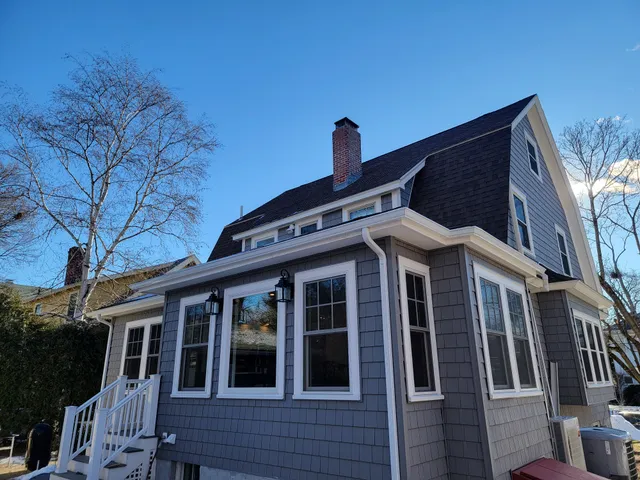
Towns like Salem and Marblehead maintain local historic districts, and exterior changes visible from a public way often require review and approval by a historic-district commission before a permit issues. That can affect window replacements, siding, roofing materials, additions, and even paint in some cases.
Build that review timeline into your schedule. A contractor who has worked these districts before will know which changes trigger review and how to prepare an application, which saves months.
Salt-air coastal exposure
Homes in Gloucester, Marblehead, Beverly, and coastal Salem take a beating from salt air. That exposure drives material choices: corrosion-resistant fasteners, marine-grade hardware, and finishes rated for harsh conditions. A GC who specs standard interior-grade materials for a house 200 yards from the water is setting you up for premature failure.
Additions on older stone and rubble foundations
Many 18th- and 19th-century homes sit on stone or rubble foundations that were never designed for modern loads or a tied-in addition. Structural surprises are common: uneven settling, mortar that has turned to sand, sills rotted where they meet damp masonry. This is where a CSL holder's judgment matters, and where a cost-plus structure or generous contingency protects both parties. Expect the unexpected, and budget for it.
How to vet and compare bids
Don't choose on price alone. A meaningful comparison looks at scope, structure, and credibility together.
Get at least three written bids for the same defined scope so you compare apples to apples.
Confirm HIC and CSL status through OCABR and the state license lookup, and confirm insurance.
Read reviews across multiple sources, not just the ones a contractor hands you. A directory like Tavlee that weighs reviews across sources reduces cherry-picking.
Ask about old-home experience specifically, and about any historic-district projects if you are in Salem or Marblehead.
Compare the payment schedule, not just the total. A demand for a large up-front payment is a warning sign, which brings us to red flags.
Red flags that signal a scam
Contractor fraud is not hypothetical in Massachusetts. In a recent case reported by Roofing Contractor, a man claiming to be a mason approached a Monson homeowner just after a legitimate siding crew had finished, insisted the chimney was about to collapse, and offered to start immediately for $25,000. He began swinging a sledgehammer before any permit was pulled, and by the time the homeowner intervened, the chimney was destroyed and the new siding and roof were damaged. The individuals were reportedly taken into custody.
The warning signs in that story are worth memorizing:
Unsolicited arrival, often right after another crew has left your property.
Pressure for immediate payment or an on-the-spot signature.
Work starting before a contract, permit, or deposit is in place.
Refusal or inability to provide licensing and insurance.
Urgent "your home is about to fail" claims designed to rush you into a decision.
Any one of these should stop you. As OCABR stresses, verify the contractor's Massachusetts registration and never let work begin without a signed contract.
Takeaways and next steps
Hiring a GC on the North Shore comes down to matching the right credentials and pricing structure to the reality of an old, coastal home.
Decide whether fixed bid or cost-plus fits your project's uncertainty.
Confirm HIC registration and, for structural work, a CSL, and route plumbing and electrical to their own licensed trades.
Hold deposits to the one-third legal cap and tie payments to milestones.
Plan for historic-district review, salt-air materials, and foundation surprises on antique homes.
Treat pressure, missing permits, and refused credentials as hard stops.