Massachusetts licenses HVAC and refrigeration work at the state level, and gas boilers or furnaces must be connected by a licensed gas fitter or plumber — verify both on Mass.gov. On the North Shore, costs turn on oil-to-heat-pump conversions in ductless antique colonials, aging boiler swaps, and coastal-rated equipment against salt-air corrosion. Demand a Manual J load calculation and Mass Save rebates before signing.
Typical cost
$5,000 – $11,400
Tracked on Tavlee
933 hvac contractors in North Shore
If you own an antique colonial in Salem or a coastal home in Gloucester, hiring the right HVAC contractor is not a small decision. You are weighing an oil-to-heat-pump conversion, an aging boiler that keeps limping through winter, and equipment that has to survive salt air off the Atlantic. Get the contractor wrong and you inherit an undersized system, a voided warranty, or worse.
This guide walks through what these projects actually cost, how Massachusetts licensing works, how to size and vet equipment properly, and the red flags that should end a conversation fast. The through-line: verify before you sign, and never let anyone start swinging a hammer without a contract and the right license.
What HVAC Work Costs on the North Shore, and What Drives It
HVAC pricing on the North Shore is driven less by a sticker number and more by the condition of the house. Antique colonials in Lynn, Peabody, and Beverly often lack existing ductwork, which pushes many owners toward ductless mini-split heat pumps rather than central systems. The absence of ducts, tricky plaster walls, and knob-and-tube surprises all add labor.
The biggest cost drivers you will see quoted are:
System type and capacity. Ductless mini-splits, central heat pumps, and high-efficiency boilers all price differently. More zones and more tonnage cost more.
Existing infrastructure. Whether you have usable ductwork, adequate electrical service, and accessible mechanical space.
Fuel conversion work. Moving off oil means decommissioning a tank and boiler, which is its own line item.
Coastal-rated equipment. Corrosion-resistant condensers and coated coils carry a premium in seaside neighborhoods.
Because the range is wide, treat any single online figure with skepticism and get multiple itemized quotes. Tavlee publishes a live HVAC cost calculator for the metro at its Boston cost page, which is a useful way to sanity-check the numbers a contractor puts in front of you before you commit.
Aging Boilers Due for Replacement
What does heating and cooling work cost in North Shore?
Most HVAC projects in North Shore run $5,000 – $11,400. Adjust the estimate for your job in the hvac contractor cost guide.
Top-rated hvac contractors in North Shore
These are the strongest hvac contractors on the evidence: reviews weighed across sources and licenses verified against the Massachusettsregistry. Rankings can't be bought.
Hiring hvac contractors in North Shore: your questions
Do HVAC contractors in Massachusetts need a license?
Yes. HVAC and refrigeration work in Massachusetts is licensed at the state level. Tavlee verifies each contractor's license against the Massachusetts registry rather than trusting a self-reported badge.
How much does a new HVAC system cost on the North Shore?
There is no single number, because cost depends on system type, capacity, your home's existing ductwork and electrical service, whether you are converting off oil, and whether you need coastal-rated equipment. Antique colonials without ducts often lean toward ductless mini-splits, which price differently than central systems. Get several itemized quotes and use Tavlee's Boston HVAC cost calculator to sanity-check the figures a contractor gives you.
Are heat pumps worth it in New England winters?
Cold-climate heat pumps are a common upgrade for North Shore homeowners moving off oil, and they heat and cool from one system. The key is proper sizing via a Manual J load calculation and a well-sealed, insulated envelope, especially in a drafty antique colonial. A legitimate contractor will address both rather than dropping in an undersized unit and hoping for the best.
How often should HVAC be serviced?
Regular maintenance protects both efficiency and equipment life, and it matters even more near the coast. In salt-exposed neighborhoods, that includes rinsing the outdoor condenser to slow corrosion of fins and coils. Ask your installer to spell out a maintenance schedule appropriate to your equipment and location, and keep records for warranty purposes.
What rebates are available for heat pumps in Massachusetts?
Mass Save, the state-utility efficiency program, offers rebates for qualifying heat-pump installations, and oil-to-heat-pump conversions are a frequent driver of homeowner interest. Confirm current programs and eligibility through official channels before you rely on any rebate figure a contractor quotes, and make sure your installer is qualified to participate in the applicable program.
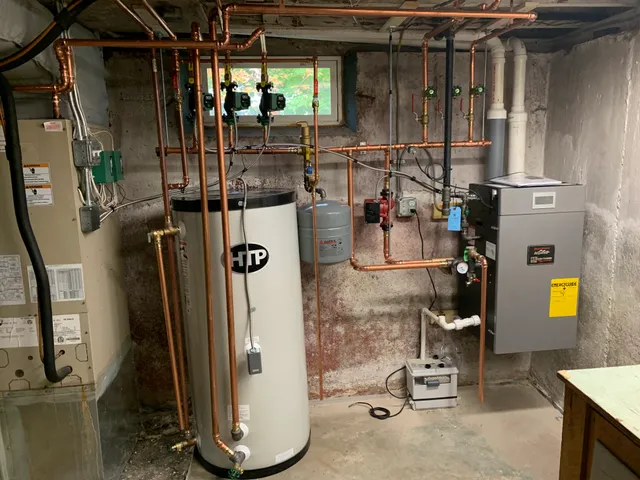
A lot of North Shore housing stock runs on oil or gas boilers that are well past their prime. When a boiler is short-cycling, leaking, or failing to hold heat evenly across an old colonial, replacement is usually more economical than another round of repairs.
This is also the natural decision point for a conversion. If you are already spending to pull a dead boiler, it is worth pricing a heat pump alongside a like-for-like boiler swap so you can compare the lifetime cost, not just the install cost.
Oil-to-Heat-Pump Conversions in Antique Colonials
Converting from oil heat to a cold-climate heat pump is one of the most common upgrades homeowners in Salem, Peabody, and Gloucester are asking about. The appeal is straightforward: one system that heats and cools, no oil deliveries, and access to state incentives.
The complications are just as real in a 150-year-old house:
No ductwork. Ductless mini-splits solve this, but placement of indoor heads matters in rooms with period trim and plaster.
Envelope and insulation. An antique colonial that leaks heat will make any system look inefficient. Air sealing and insulation should be part of the conversation.
Electrical capacity. A heat pump may require a panel upgrade, and that electrical work must be done by a licensed electrician (more on that below).
Do not let a contractor talk you into keeping the oil boiler "just in case" without explaining exactly how the two systems will coexist. A well-designed dual-fuel or backup arrangement is legitimate; a vague hand-wave is not.
Salt-Air Corrosion of Outdoor Units
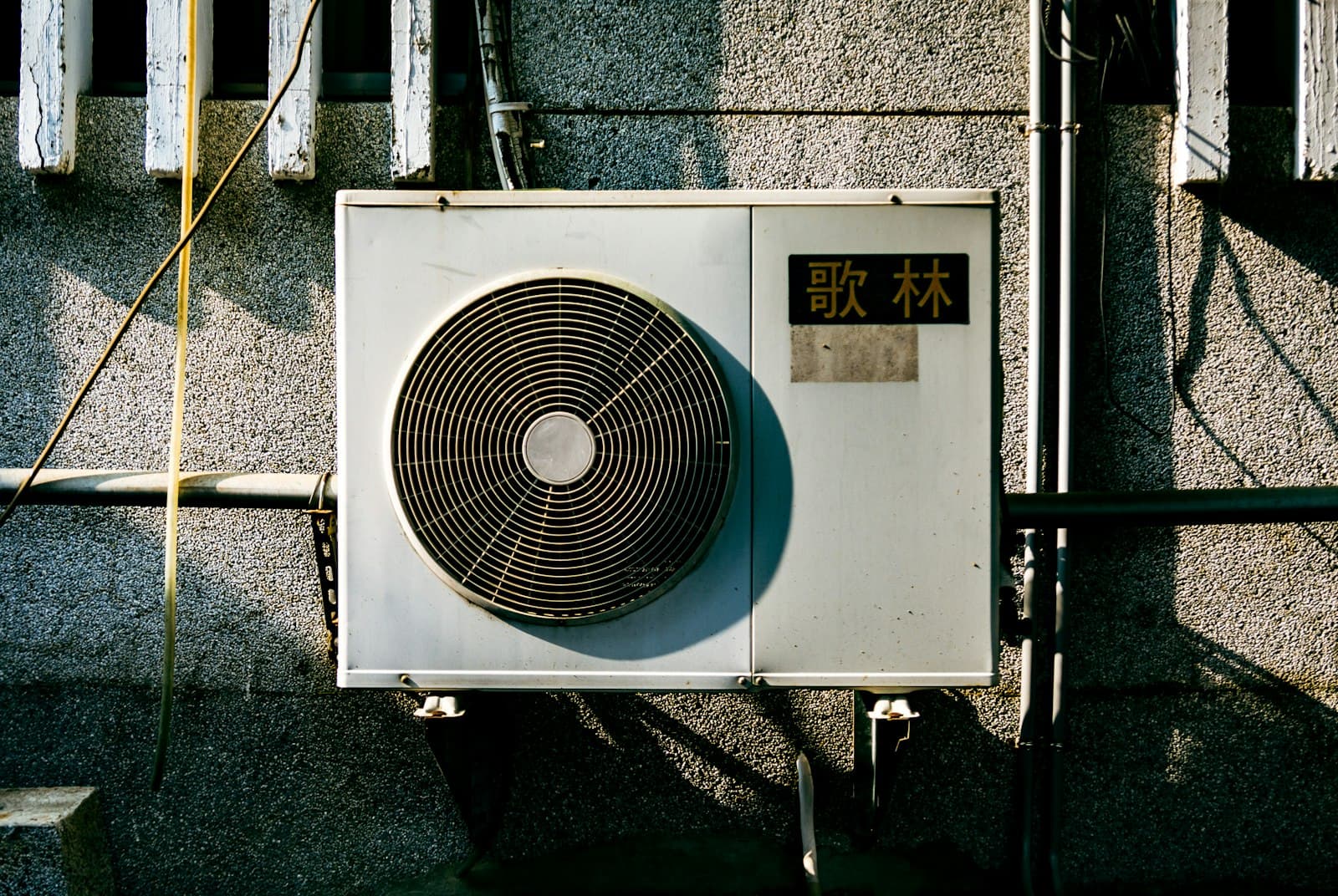
If your condenser sits within reach of coastal salt spray in a neighborhood near the water in Lynn, Beverly, or Gloucester, corrosion is a genuine threat to the outdoor unit. Salt accelerates the breakdown of fins, coils, and cabinet hardware.
Ask any contractor bidding a coastal install about three things:
Coastal-rated equipment designed for marine environments.
Coil coatings that protect the heat-exchange surfaces.
Placement that limits direct exposure to salt spray and prevailing sea wind, plus a maintenance schedule to rinse the unit.
A contractor who has done real coastal work will bring this up before you do. If they treat a Gloucester waterfront install the same as an inland one, keep looking.
Massachusetts Licensing and Gas-Fitting Rules
Massachusetts licenses trades at the state level, and HVAC work touches several of them. This is where verification protects you.
Refrigeration and HVAC technicians, plumbers, electricians, and other trades are overseen by the boards housed under the Massachusetts Division of Occupational Licensure, which offers a public license lookup. Before hiring anyone, run their credential through the state's official check a professional license registry on Mass.gov.
The pieces that matter most for an HVAC job:
Gas-fired equipment requires a licensed gas fitter or plumber. In Massachusetts, plumbing and gas fitting are credentialed by the Board of State Examiners of Plumbers and Gas Fitters, and gas fitting is a separate credential from plumbing. If your job involves a gas boiler or gas line, the person doing that work must hold the right license.
Electrical work requires a licensed electrician. Panel upgrades and new circuits for a heat pump fall under the Board of State Examiners of Electricians. Electrical work must be performed by a state-licensed electrician, not an HVAC generalist.
This licensing maze is exactly the friction Tavlee is built to remove. The directory verifies every contractor's license against the Massachusetts state registry and weighs reviews across sources, so you can start with a vetted shortlist. You can browse verified North Shore HVAC listings rather than cross-checking every name by hand, though it is still worth confirming the specific credential for gas or electrical work yourself.
Sizing, System Selection, and Comparing Quotes
The single most important technical step is sizing. Reject rule-of-thumb sizing based on square footage alone. A proper installer performs a Manual J load calculation that accounts for your home's insulation, windows, air leakage, and orientation. In a drafty antique colonial, this is the difference between a system that keeps up in a February cold snap and one that runs constantly and never quite delivers.
When you compare bids, put them side by side on the details, not just the total:
Is there a Manual J calculation, or just a square-footage guess?
Are the make, model, and capacity of every piece of equipment spelled out?
For coastal homes, is corrosion protection specified?
Does the price include electrical and gas-fitting work, or are those separate trades you will have to coordinate?
What warranty terms apply to both equipment and labor?
Are permits included, and who pulls them?
That last point matters. A legitimate contractor pulls the required permits and expects inspection. Skipping permits is a shortcut that comes back to bite you at resale and can void coverage.
Red Flags That Should End the Conversation
HVAC fraud follows the same playbook as other contractor scams. A recent case out of Monson, Massachusetts is a useful cautionary tale. As Roofing Contractor reported, a man claiming to be a mason showed up right after a siding job, told the homeowner his chimney was about to collapse, and offered to start immediately for $25,000. He began demolition before a permit was pulled, and by the time the homeowner stopped the work, the chimney was destroyed and the new siding and roof were damaged.
The warning signs in that story map directly onto HVAC work. Walk away if you see:
Unsolicited arrival, especially right after another crew finished a job at your home.
Pressure to pay or sign immediately, or a manufactured sense of urgency ("your system could fail any day").
Work starting without a signed contract or before a permit is pulled.
Refusal or inability to provide licensing and insurance details you can verify.
Deposit demands that exceed what Massachusetts home improvement law allows.
The fix is simple and worth repeating: verify the license on Mass.gov, require a signed, itemized contract before any work begins, and confirm permits are being pulled. Licensing exists to protect you, and using unlicensed operators can create safety and insurance problems down the line.
Takeaways and Next Steps
Hiring an HVAC contractor on the North Shore comes down to matching the right, properly licensed pro to the specific quirks of your home, whether that is a ductless conversion in a Salem colonial or a corrosion-hardened condenser on a Gloucester waterfront.
Before you sign anything:
Get multiple itemized quotes and insist on a Manual J load calculation.
Verify every license on the Mass.gov registry, including the separate gas-fitting and electrical credentials.
Confirm permits and warranties in writing, and never pay a large deposit for work that has not started.
Check reviews and licensing together using a verified directory like Tavlee before you shortlist.
Ask about coastal protection if your unit will sit anywhere near salt air.
Do the verification up front, and the rest of the project gets a lot less stressful.