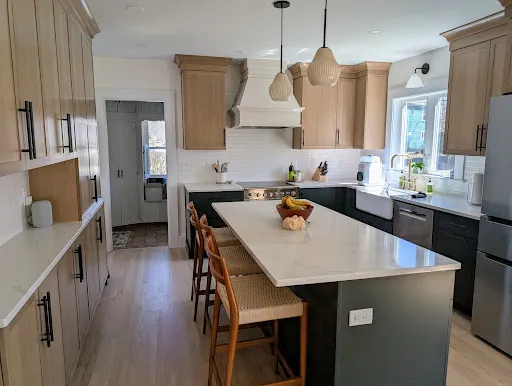
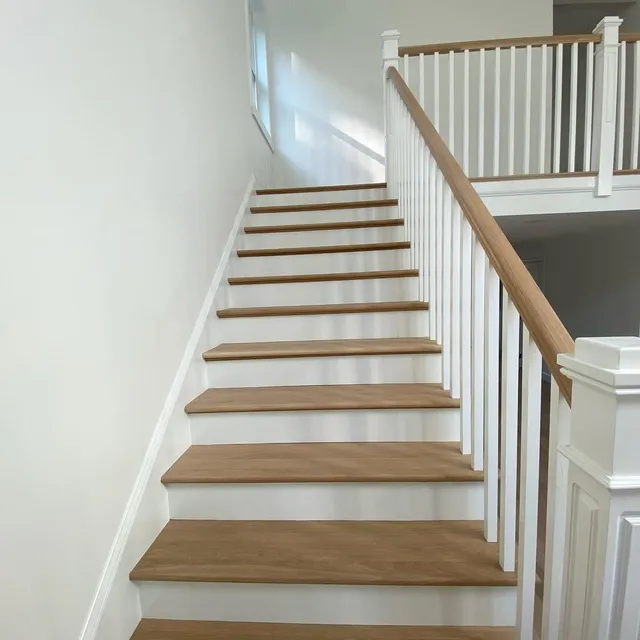
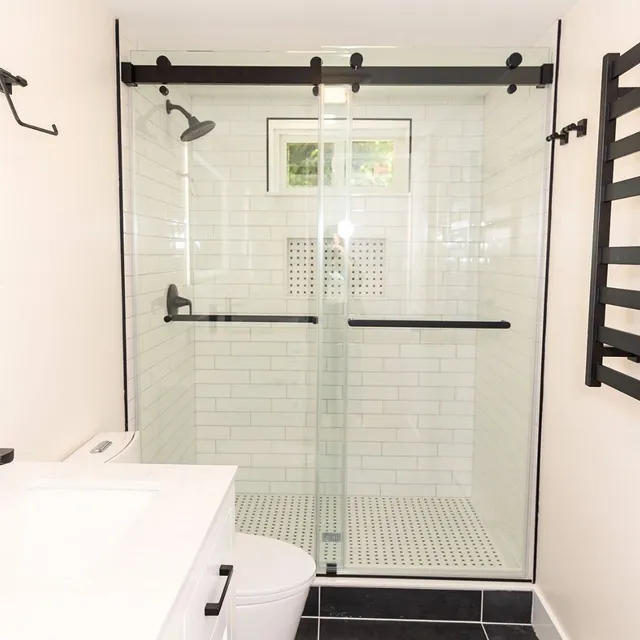
On the North Shore, hire a kitchen remodeler with Massachusetts HIC registration through OCABR; plumbing, gas, and electrical work needs separately licensed trades, structural wall openings need a CSL and permits, and deposits are capped at one-third except special-order materials. In Salem, Marblehead, Newburyport, and Gloucester antiques, budget for uneven floors and odd framing — and expect historic-commission review if vents or windows change the exterior.
Typical cost
$23,000 – $35,000
Tracked on Tavlee
1060 kitchen remodelers in North Shore
Remodeling a kitchen in an antique colonial in Salem or a sea captain's house in Marblehead is a different job than gutting a builder-grade galley in a newer suburb. The walls are rarely square, the ceilings sit low, and there is often a chimney bay or a stretch of wide-plank pine floor that has been settling for two hundred years. Hiring the right contractor on the North Shore means finding someone who respects that history while delivering a kitchen that actually works today.
This guide walks through what a remodel costs by scope, how to verify that your contractor and their trades are properly licensed in Massachusetts, when historic-district rules come into play, and the contract terms and red flags that separate a clean project from a nightmare.
What a Kitchen Remodel Costs by Scope
Cost tracks scope more than anything else. The single biggest variable is whether you keep the existing layout or move things around.
Cosmetic refresh. New cabinet fronts or painted cabinets, updated hardware, a new countertop, backsplash, sink, faucet, and lighting, with plumbing and electrical staying put. This is the least disruptive and least expensive path.
Full gut, same footprint. New cabinets, counters, appliances, flooring, and finishes, but the sink, range, and major fixtures stay roughly where they are. Costs climb because everything is replaced, but you avoid the expense of relocating plumbing and gas.
Layout change. Moving the sink, relocating the range, opening a wall, or reconfiguring the room. This pulls in licensed plumbers, gas fitters, electricians, and often structural work, which is where budgets rise fastest.
In older North Shore homes, even a "same footprint" job can behave like a bigger one. Uneven wide-plank floors, out-of-level walls, and knob-and-tube-era wiring frequently surface once demolition starts, so build a contingency into your budget rather than treating your first number as final.
Because estimates vary so much by town and scope, it helps to check a live range before you talk to anyone. Tavlee, the Boston-area contractor directory, keeps a running kitchen remodel cost calculator you can use to sanity-check bids against local data.
What does a kitchen remodel cost in North Shore?
Most kitchen remodels in North Shore run $23,000 – $35,000. Adjust the estimate for your job in the kitchen remodeler cost guide.
Top-rated kitchen remodelers in North Shore
These are the strongest kitchen remodelers on the evidence: reviews weighed across sources and licenses verified against the Massachusettsregistry. Rankings can't be bought.
Hiring kitchen remodelers in North Shore: your questions
Do kitchen remodelers in Massachusetts need a license?
Most home-improvement work in Massachusetts requires the contractor to be a registered or licensed home-improvement/general contractor. Tavlee verifies each contractor's registration against the Massachusetts registry.
How much does a kitchen remodel cost on the North Shore?
Cost depends almost entirely on scope. A cosmetic refresh that keeps plumbing and electrical in place sits at the low end, a full gut on the same footprint costs more, and any layout change that relocates the sink, range, or a wall pushes budgets highest. Antique and colonial homes in Salem, Marblehead, Newburyport, and Gloucester add costs for floor leveling, odd framing, and careful demolition. Check a live range with Tavlee's Boston-metro cost calculator and always build in a contingency for surprises.
How long does a kitchen remodel take?
Timeline scales with scope. A cosmetic refresh moves quickly, often in a few weeks, while a full gut or a layout change involving licensed plumbing, gas, electrical, and structural work typically runs two to three months of construction plus design and ordering lead time. In older North Shore homes, demolition often reveals hidden issues that extend the schedule, and if exterior changes trigger a local historic commission review, add time for that approval before the affected work can start.
Do I need a permit to remodel a kitchen in Massachusetts?
Yes, for most real remodels. Work involving plumbing, gas, electrical, or structural changes requires permits and inspections from your town's building or inspectional services department. A legitimate contractor pulls those permits under their own license. Purely cosmetic changes may not require a permit, but confirm with your town before starting.
Can I remove a wall between my kitchen and living room?
Often yes, but it is a structural change that requires a permit and inspected work, typically under a Construction Supervisor License holder. In antique North Shore homes, walls frequently carry loads or hide chimney bays and unusual framing, so the design has to account for that. If the change affects any exterior element in a designated historic district, plan for local historic commission review as well.
Antique and colonial houses in Salem, Marblehead, Newburyport, and Gloucester carry costs a newer home does not:
Leveling and subfloor work to make cabinets and counters sit true on floors that have moved over the decades.
Low ceilings and odd framing that complicate cabinet heights, range-hood ducting, and recessed lighting.
Chimney bays and non-standard wall thicknesses that eat into usable layout space and require custom cabinetry.
Careful demolition to preserve original trim, doors, and flooring instead of tearing them out.
A remodeler who works in these homes regularly knows how to blend modern function — a proper island, real counter space, modern appliances — into a period room without stripping out the character that made you buy the house.
Massachusetts Licensing: HIC, Trades, and Why It Matters
Massachusetts regulates home improvement work tightly, and verifying credentials up front is the single most reliable way to avoid trouble.
Home Improvement Contractor (HIC) Registration
Most residential remodeling work in the state requires the contractor to be registered as a Home Improvement Contractor. The program is run by the Massachusetts Office of Consumer Affairs and Business Regulation (OCABR), which also maintains the Guaranty Fund that can compensate homeowners in certain disputes with registered contractors.
The rules governing contracts, deposits, and homeowner protections come from the state's home-improvement law. Read the plain-language overview of MGL c.142A before signing anything so you know what the contractor is legally required to include.
Licensed Trades: Plumbing, Gas, and Electrical
HIC registration is not a trade license. The skilled work inside your kitchen must be performed by separately licensed professionals:
Structural changes such as opening a wall typically require a Construction Supervisor License (CSL) holder and permitted, inspected work.
You do not have to take a contractor's word for any of this. Massachusetts publishes a public how-to for checking a professional license, and the trade boards sit under the Division of Occupational Licensure, which offers license lookup for plumbers, electricians, and other trades. Verify the individual, not just the company.
This is exactly the verification Tavlee automates: its directory checks HIC registrations against the Massachusetts registry and weighs reviews across sources, so you can browse verified North Shore kitchen remodelers without cross-referencing every name by hand.
Permits and Historic-District Rules
Any remodel that touches plumbing, gas, electrical, or structure needs permits, and each North Shore town runs its own building department that issues them and performs the inspections — the same role Boston's Inspectional Services Department plays in the city. A legitimate contractor pulls permits under their license, not under yours.
When the Historic Commission Gets Involved
This is where North Shore projects diverge from a generic Boston guide. Salem, Marblehead, Newburyport, and Gloucester all have historic homes and, in many neighborhoods, local historic district designations. Interior kitchen work usually stays out of that review, but anything that changes the exterior can trigger it:
Range-hood and appliance venting that cuts a new duct through an exterior wall or roof.
Window changes to bring more light into a dim, low-ceilinged kitchen.
New exterior doors or altered openings as part of a layout change.
If your remodel touches the outside of a home in a designated district, expect a local historic commission review before that work proceeds. Ask your contractor early whether the design affects the exterior, and factor the review timeline into your schedule. A remodeler experienced on the North Shore will already know which streets fall inside district boundaries and how to route a vent or specify a window that satisfies both the commission and your kitchen.
Contracts, Deposits, and Payment Schedules
Massachusetts home-improvement law requires a written, signed contract for this kind of work, and the details protect you. Before any tool comes out, your contract should spell out:
A full scope of work with specific materials, models, and finishes, not vague placeholders.
Allowances for items like countertops, tile, and fixtures, stated clearly so you know what is and is not included.
A payment schedule tied to milestones rather than a large sum demanded up front. Under MGL c.142A, the deposit cannot exceed one-third of the total contract price, except to cover special-order materials that must be purchased early.
A start and completion timeline, plus how change orders are handled and priced.
License and registration numbers, along with proof of insurance.
The homeowners most exposed in Massachusetts contractor disputes are the ones without a clear contract and verified credentials on file — the written contract is not paperwork for its own sake, it is what the state's deposit caps, change-order rules, and Guaranty Fund protections hang on.
Red Flags to Watch For
A recent Massachusetts case reported by the trade publication Roofing Contractor lays out a pattern worth memorizing. In Monson, a man claiming to be a mason told a homeowner his chimney was at risk of collapse, offered to start immediately for $25,000, and began swinging a sledgehammer before any permit was pulled. When the homeowner tried to stop him, the chimney was destroyed and newly installed siding and part of the roof were damaged. The individuals were later taken into custody.
Using that case and OCABR's guidance, watch for:
Unsolicited arrival, often right after another crew has finished legitimate work nearby.
Pressure for an immediate signature or payment, especially cash.
Work starting before a contract, deposit terms, or permit are in place.
Refusal or inability to provide license and insurance details.
Urgent "your home is about to fail" claims designed to rush your decision.
The core advice is to verify registrations with OCABR and never let work begin without a signed contract. That guidance applies to a kitchen remodel just as much as a roof or a chimney.
How to Vet and Compare Bids
Get at least three bids, and compare them on substance rather than the bottom-line number alone.
Match the scope. Make sure each bid covers the same work; a lower price often means a smaller job.
Check the allowances. A bid can look cheap because its tile or countertop allowance is unrealistically low.
Demand itemization. Line items for demolition, cabinetry, counters, plumbing, electrical, and finishes tell you where the money goes.
Weigh the timeline. In an antique home, a bid that assumes zero surprises may be optimistic.
Verify the credentials behind every bid using the state license lookup and HIC registry.
Takeaways and Next Steps
A North Shore kitchen remodel rewards patience and verification. Decide your scope honestly, budget a contingency for the quirks of an older home, and never treat the exterior implications — vents, windows, doors — as an afterthought if you live in a historic district.
Before you sign:
Confirm HIC registration through OCABR and verify each trade license through the Division of Occupational Licensure.
Get a written contract with scope, allowances, a milestone payment schedule, and a deposit within the state cap.
Confirm permits will be pulled under the contractor's license.
Walk away from anyone pressuring you to start fast or pay in full up front.
Start by comparing verified North Shore remodelers on Tavlee and checking current cost ranges, then take your shortlist through the state registries above. The homeowners who verify first are the ones who end up with a kitchen that honors the house and holds up for the next hundred years.