Is resetting granite front steps a home improvement job?
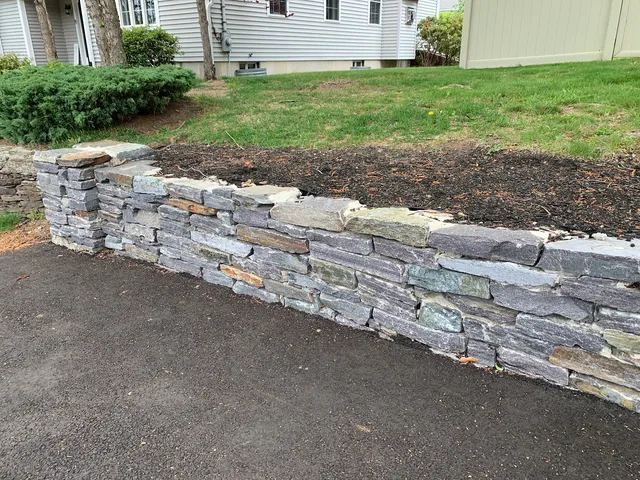
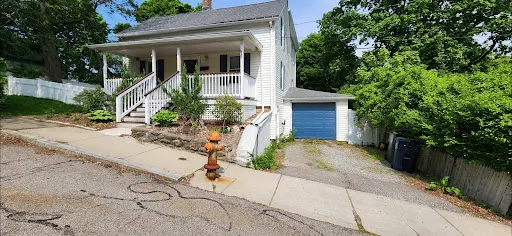
Yes, and that answer protects you. Quincy built its name on granite, and the South Shore is full of granite steps, sills, posts and foundation stones, from Quincy's granite-city triple-deckers to the antique village houses of Hingham and Cohasset. Over decades, frost and settling tip those steps, open the joints and pull the treads away from the house.
Resetting them looks like a small job, but in Massachusetts it counts as home improvement. The law's definitions in MGL c.142A §1 reach repairs and alterations to an owner-occupied house of one to four units and to structures attached or next to it. A granite stoop is exactly that kind of structure. That puts the mason under the state's HIC registration, searchable by name or number on the Contractor Hub, and brings the job the contract rules and the dispute options the law provides.
Granite work is a skill of its own. Ask the mason how they will lift and set the stone, what goes under it, and whether the old base will be dug out and rebuilt or simply packed. A step set on a new compacted base stays level; one shimmed back into place usually tips again in a few winters.
Who should be on the permit when a chimney comes down?
Chimneys are where South Shore masonry turns structural. A chimney rebuild above the roof, a new flue or a firebox repair changes a load-bearing part of the house. Massachusetts separates two credentials for that kind of job: the HIC registration for the business, and a Construction Supervisor License for the person who supervises structural work and pulls building permits. The state's CSL guidance explains when one is required, and you can look up a supervisor on eLIPSE.
Ask the mason two questions before you sign. Whose license will be on the building permit? And who inspects the flue when the masonry is done? A rebuilt chimney is only safe if the liner and the flue are right, and a building inspector looking at the brick is not the same as someone checking the venting for the boiler or stove that uses it.
On older houses the chimney often carries more than smoke. In a Weymouth cape or a Braintree colonial, an oil boiler or gas water heater may vent through it. If the heating system has changed, say to a heat pump, ask whether the chimney still needs to vent anything at all. A chimney that serves nothing may only need capping and repointing, not a rebuild.
What does salt air do to brick and mortar on the coast?
Houses on the water in Hull, Scituate and Marshfield take wind-driven rain and salt spray much of the year. Masonry soaks up that water, and when it freezes, mortar joints crack and the faces of bricks spall off. Chimneys get it worst because they stand above the roof in the full wind.
The March 2018 nor'easters showed what the sea can do to masonry on this coast: in Scituate they damaged homes, sea walls and Magnolia Pier, and washed out part of Central Avenue. Most coastal masonry problems are slower than that, a few crumbling joints each winter, but they compound.
Ask a coastal mason:
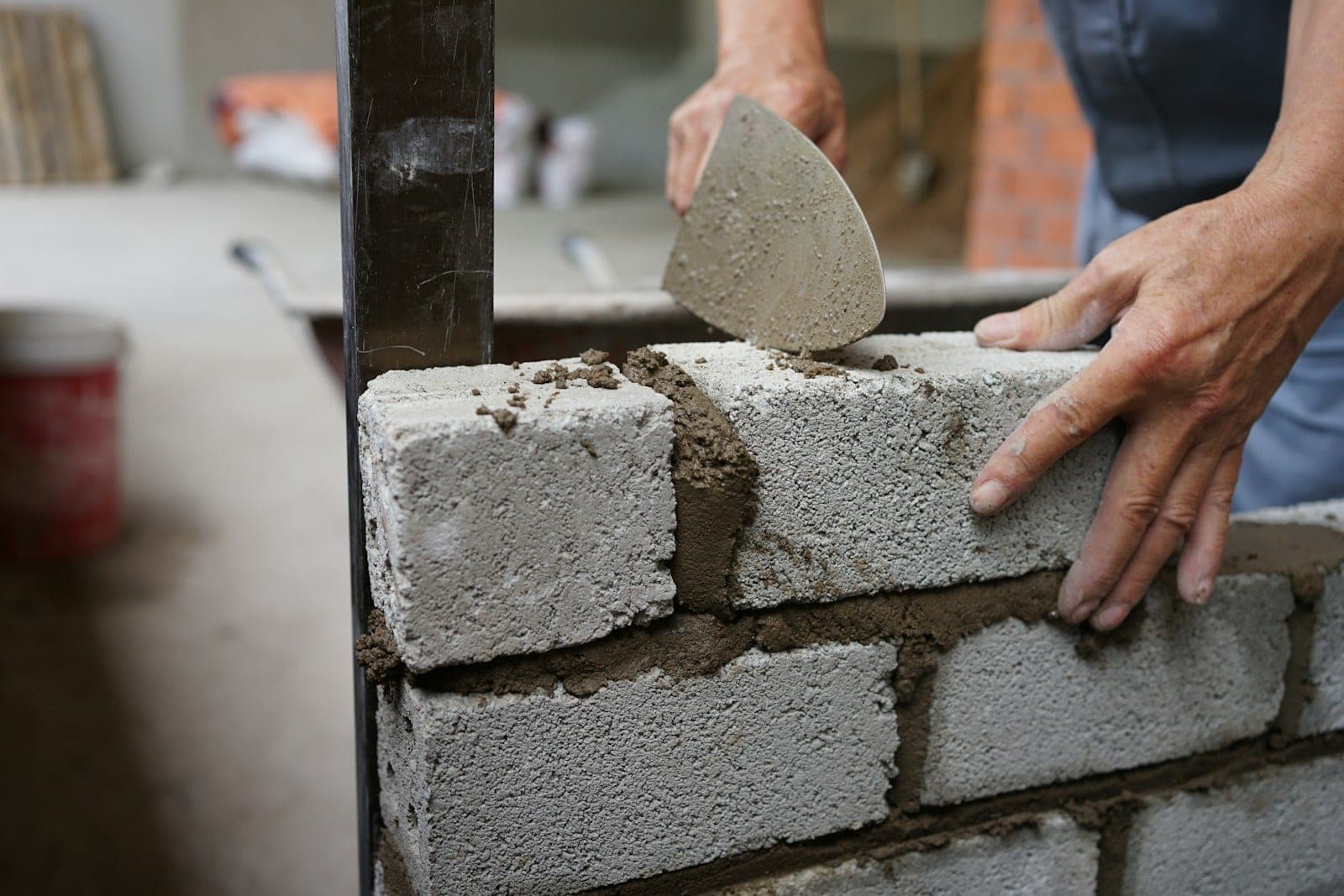
- Which mortar they will use. Mortar for repointing should suit the existing brick; mortar harder than the brick can push damage into the brick itself.
- How they will handle the chimney crown and cap. Water entering from the top is the most common cause of chimney decay.
- Whether flashing is part of the job. Where the chimney meets the roof, a mason and a roofer often need to coordinate.
When does a seawall or waterfront wall need state approval?
Waterfront masonry on the South Shore is regulated twice over.
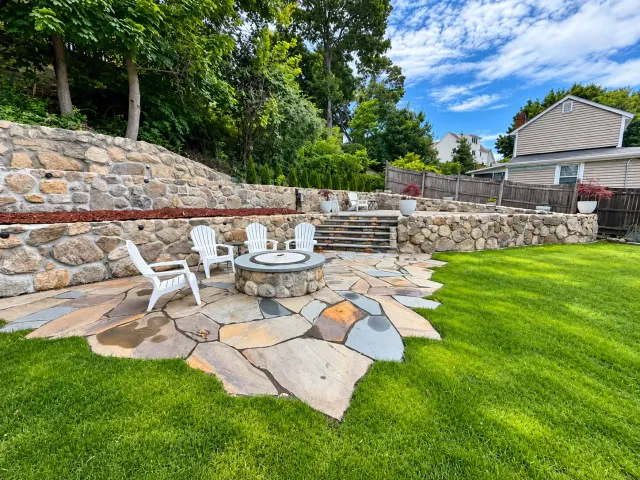
First, the Wetlands Protection Act puts any work in a coastal wetland, or within 100 feet of one, before the town's conservation commission. The statute is MGL c.131 §40, and many towns add a local bylaw. A retaining wall on a marsh-front lot in Duxbury or Marshfield, or a rebuilt stair to the beach in Hull, can need a filing.
Second, anything built or filled seaward of the historic high-water mark, a stone seawall included, is tidelands work: MGL c.91 §18 makes it wait for a MassDEP waterways license, which usually follows the conservation commission has issued its Order of Conditions.
That means a seawall job has a long lead time and paperwork before stone moves. Ask any mason who bids on waterfront work how many projects they have taken through your town's commission, who prepares the filings, and whether their price includes engineering. A mason who suggests repairing the wall quietly before anyone notices is offering you an enforcement problem.
What has to happen before footings go in?
New walls, steps, piers and patios with footings mean digging, and digging means a Dig Safe ticket. The state's Dig Safe page says the request must reach 811 at least 72 business hours before excavation, with weekends and holidays not counted, and the dig area marked out in advance. A ticket is good for 30 days.
The ground matters too. Much of Plymouth County sits on sandy outwash, which drains well but needs a proper base under heavy stone. Older neighborhoods in Quincy and Braintree have ledge close to the surface in places. Ask the mason how deep the footing or base will go, what material fills it, and how they will handle water draining toward the wall.
On septic lots in Pembroke, Hanover and Carver, show the mason where the tank, pipes and leach field are before any excavator arrives. Utilities get marked by Dig Safe; your septic system does not.
What should a masonry contract spell out?
Once a masonry job tops $1,000, section 2 of the home improvement law insists on paper. In a mason's contract, look for:
- Scope in specifics. Which chimney, how many courses down, which walls or steps, and what happens to the old material.
- Materials. Brick, block or stone type, mortar type, and any matching to existing work.
- Start and completion dates, with weather in mind: mortar work stops in hard cold.
- Price and payment schedule, and the mason's HIC number.
On the deposit, the statute sets a limit of one-third of the price, and allows more only when special-order material, such as stone quarried or cut to match your house, genuinely costs more. Ask to see the order if a mason wants more than a third.
Keep the final payment until the work is finished and the site is cleaned up. The law says final payment cannot be demanded before the job is complete.
What does South Shore masonry cost?
Masons here charge Greater Boston prices. The masonry cost page puts a typical project at $4,500 to $9,000, and you can set your own size and material. What moves it:
- Access. A chimney on a three-story Quincy house needs staging or a lift; a ranch in Kingston does not.
- Matching. Old brick and granite are hard to match, and matching takes time.
- Structure. Rebuilding is more than repointing; footings and engineering add more.
- Approvals. Conservation commission and Chapter 91 work on the coast adds months and fees.
Compare quotes on the same scope. One mason's "chimney repair" can be another's partial rebuild.
When should you schedule masonry work?
Mortar needs mild weather to cure, so most masonry happens from spring to fall. Fall is the busy season for chimneys, before the heating season starts. If your chimney needs work, book an inspection in summer so repairs can be done before the first fire. For waterfront walls, start the approval process a full season ahead of when you want the crew on site.