Masonry in Maine is mostly about fire and frost. Chimneys carry smoke from oil boilers, wood stoves and fireplaces through the long heating season. Fieldstone foundations, granite steps and brick walls take a winter of freeze and thaw every year. And as fuel prices swing, more Maine households add or lean on wood heat, which puts new demands on old chimneys from Saco and Bridgton to Skowhegan and Dover-Foxcroft.
Why do fuel prices send people to their masons?
Because wood heat runs through masonry. The Governor's Energy Office tracks heating fuel prices weekly from September through April, and its survey for October 26, 2026 put the statewide average for heating oil at $6.05 a gallon and kerosene higher still, at $7.06. Prices like that lead people to reconsider a wood stove or to fire up a fireplace they've ignored for years.
That's when a mason earns their fee. An old chimney may have cracked flue tiles, missing mortar joints, or no liner at all. Before you burn wood in a chimney that hasn't been used in a while, have it inspected. Masons and chimney sweeps fill their calendars in early fall, as the heating season begins, so the best time to call is summer.
Who is allowed to install the wood stove?
This is the line many homeowners miss. A mason needs no state license in Maine; the Attorney General's guide notes that most construction trades aren't licensed. But installing a solid-fuel appliance, a wood stove, a pellet stove or a wood boiler, is work licensed by the Maine Fuel Board, which licenses oil and solid-fuel technicians.
So a typical wood stove project in Belfast or Norway might involve two people:
- A mason who builds or repairs the chimney, sets a liner, and lays the hearth.
- A Fuel Board licensee who installs the stove itself and connects it to the chimney.
Sometimes one company does both and holds the license. Ask for the licensee's name and look it up on the state's ALMS search. Your insurer may also ask who installed the stove, especially after a claim, so keep the paperwork.
What should a chimney repair quote spell out?
Chimney work hides a lot. A quote should say:
- what was found in the inspection, with photos of the flue if possible
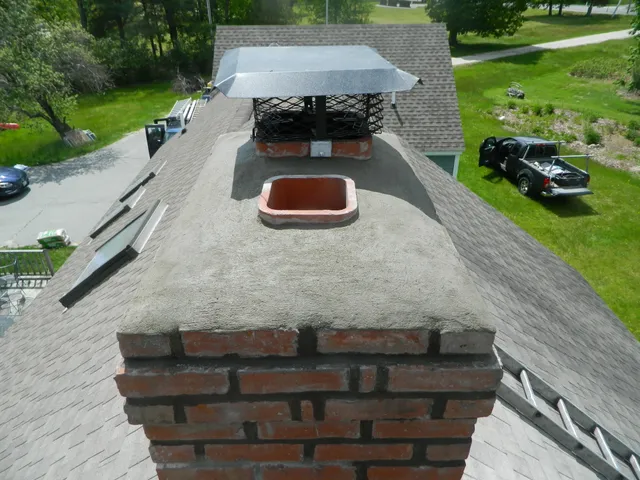
- whether the job is repointing, a partial rebuild above the roof, a full rebuild, or a new liner
- the liner type and size, matched to the appliance that will use it
- the crown and cap: material, and whether a new cap is included
- flashing where the chimney meets the roof, and who is responsible for it, mason or roofer
- staging or roof access, and any damage to the roof the work might cause
For a flue serving an oil boiler, ask whether the boiler's technician should check the draft after the work. If an oil boiler and a new wood stove would end up on the same chimney, ask the mason and the Fuel Board licensee whether each needs its own flue, and get their agreed plan in writing.
What happens to a chimney nobody uses anymore?
Many Maine houses now have a chimney with nothing connected to it. An oil boiler was replaced with heat pumps, a fireplace was closed off years ago, or the house was converted to a direct-vent propane furnace that exits through the wall. An unused chimney still takes the weather, and it can still leak into the attic or let warm air out of the house.
There are three common choices, and a mason should price each one:
- Keep and maintain it. Repoint the crown and the joints above the roof, add a cap, and keep it ready for a future wood stove. This makes sense if you might burn wood one day.
- Cap and seal it. Close the top against rain and animals and seal the bottom against air leaks. It is cheaper, but the chimney still needs occasional upkeep.
- Take it down below the roofline. The roofer patches the roof deck and shingles. This ends the leaks for good, but rebuilding later is expensive.
Ask the mason and your roofer to agree on the flashing or the patch, and ask whether removing the chimney changes anything about how the attic is vented or insulated.
When must someone call Dig Safe for stonework?
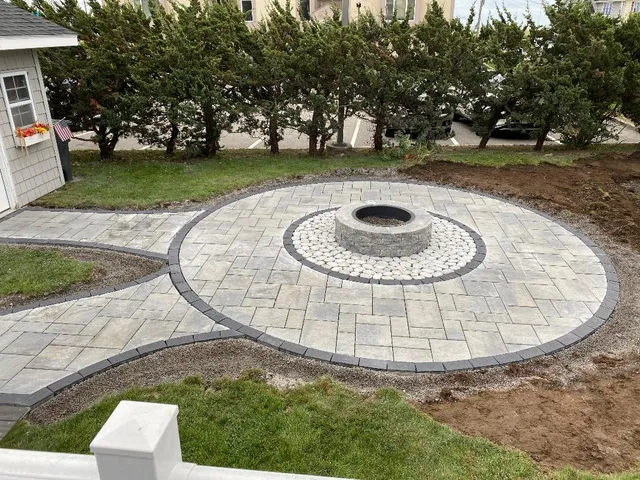
Patios, walls and new granite steps all start with a hole. Maine's Dig Safe statute requires the person excavating to give notice to Dig Safe ahead of time: no fewer than three business days before, and no more than thirty calendar days before. Utility owners then mark their lines within two full business days. Call 811 if you're doing the digging yourself; if the mason is digging, ask for the ticket number.
Ledge and boulders are common in Maine soil, from the coast near Searsport to the hills around Millinocket. A wall or patio quote should say what happens if the crew hits rock: whether it's drilled, broken, or the design is shifted, and at what price.
How does freeze-thaw shape stone and brick work?
Water is the enemy. Mortar joints that let water in will crack it open when it freezes, and steps or patios with a poor base will heave. Ask the mason:
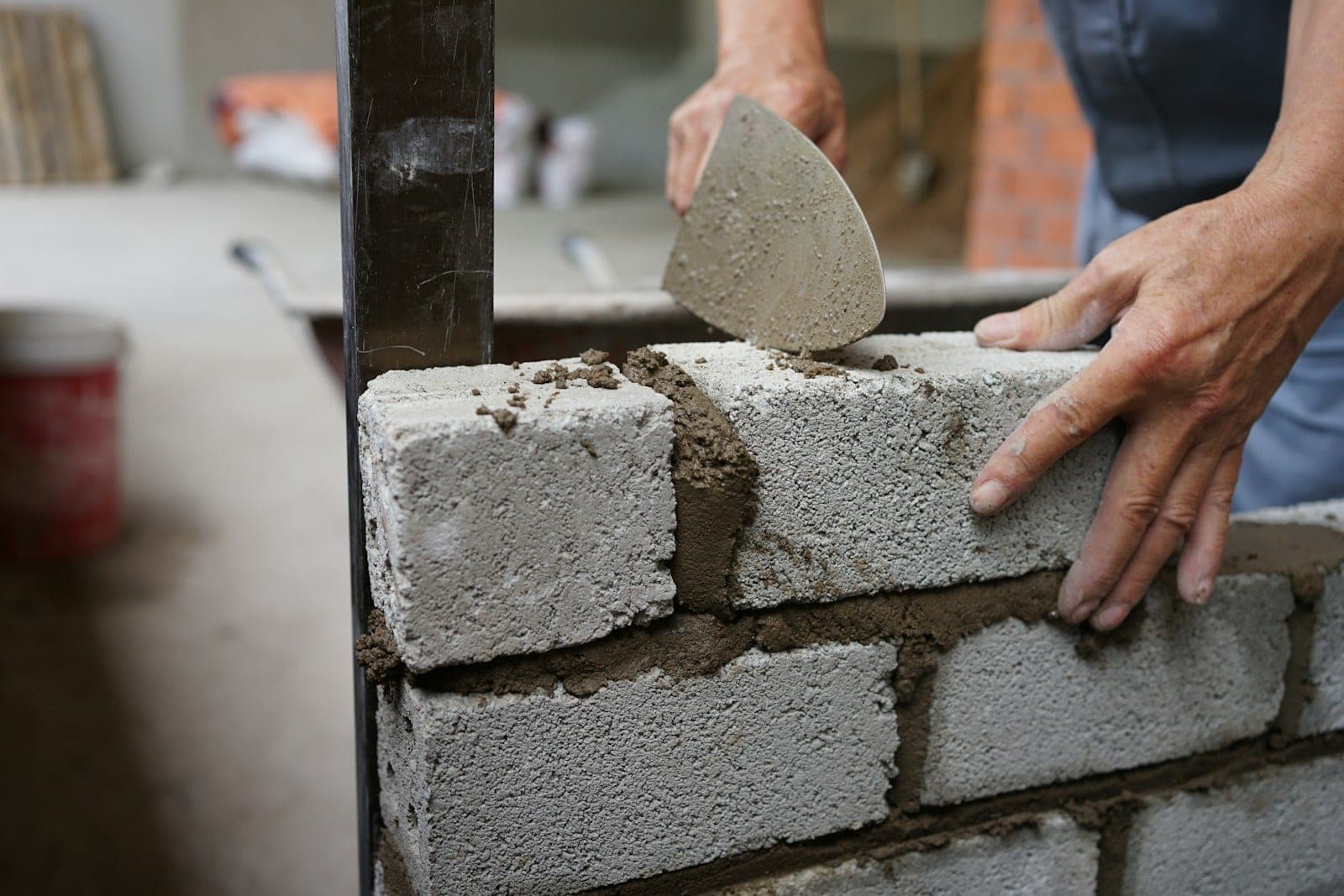
- What mortar mix will you use? Does old, soft brick call for a softer mix than modern cement mortar?
- How deep is the gravel base under a patio or walkway, and how is it compacted?
- How will water drain away from the steps or the wall?
- When is it too cold to lay mortar? Most masons stop or protect work in hard frost.
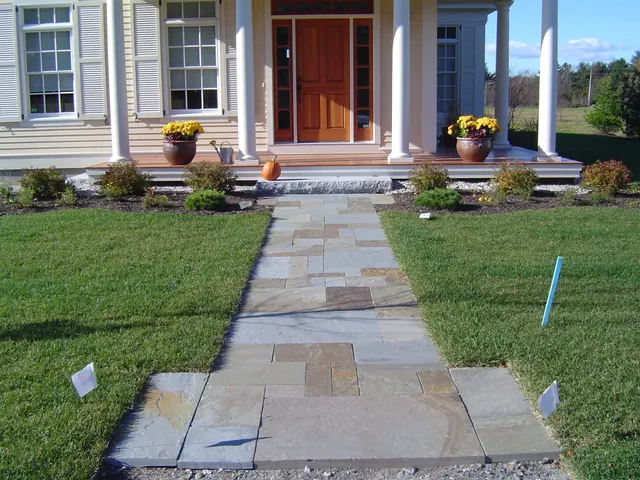
Granite steps that have tipped toward the house are a common Maine repair. Resetting them usually means lifting each step, rebuilding the base beneath it with compacted gravel, and setting the step back with a slight pitch away from the door so water runs off rather than toward the sill. Ask whether the mason will reuse your original granite, which is often worth keeping, and how they will protect the threshold and siding while the steps are out.
In Aroostook towns like Fort Kent and Caribou, the season for exterior masonry is shorter still. Plan exterior jobs for late spring through early fall.
What do Maine contract rules require on a masonry job?
The Maine calculator default for a typical masonry project is about $4,050 to $8,100; the Maine masonry cost estimate explains it. Chimney rebuilds and big stone projects routinely pass $3,000, the point at which Maine's Home Construction Contracts Act requires a written contract, signed by both parties, before work begins (10 M.R.S. §1487). The opening payment can't exceed one-third of the total.
Whether a permit is needed depends partly on the town: towns of more than 4,000 people must enforce the state building code (10 M.R.S. §9724), and a new chimney or a large retaining wall in Portland or Bath will likely need one. In a smaller town, ask the code officer anyway, especially for anything structural.