Masonry in Western Massachusetts comes in three kinds. In Holyoke, Chicopee, Easthampton and the other mill cities, it is brick: factory buildings, worker housing and commercial blocks from the late 1800s. In the hill towns and the Berkshires, it is stone: fieldstone foundations, dry-laid walls along every old field, and granite steps. And everywhere, it is chimneys, because the region still burns a lot of oil and wood.
Repointing brick in Holyoke's canal district and the valley's mill blocks
Holyoke was planned around power. The city was laid out with three canals fed by a 58-foot drop in the Connecticut River, and at its height its mills produced nearly 90% of the paper made in the United States. The brick blocks along those canals, and the worker housing around them, are now more than a century old. Easthampton, Chicopee Falls, Turners Falls in Montague and North Adams have their own versions.
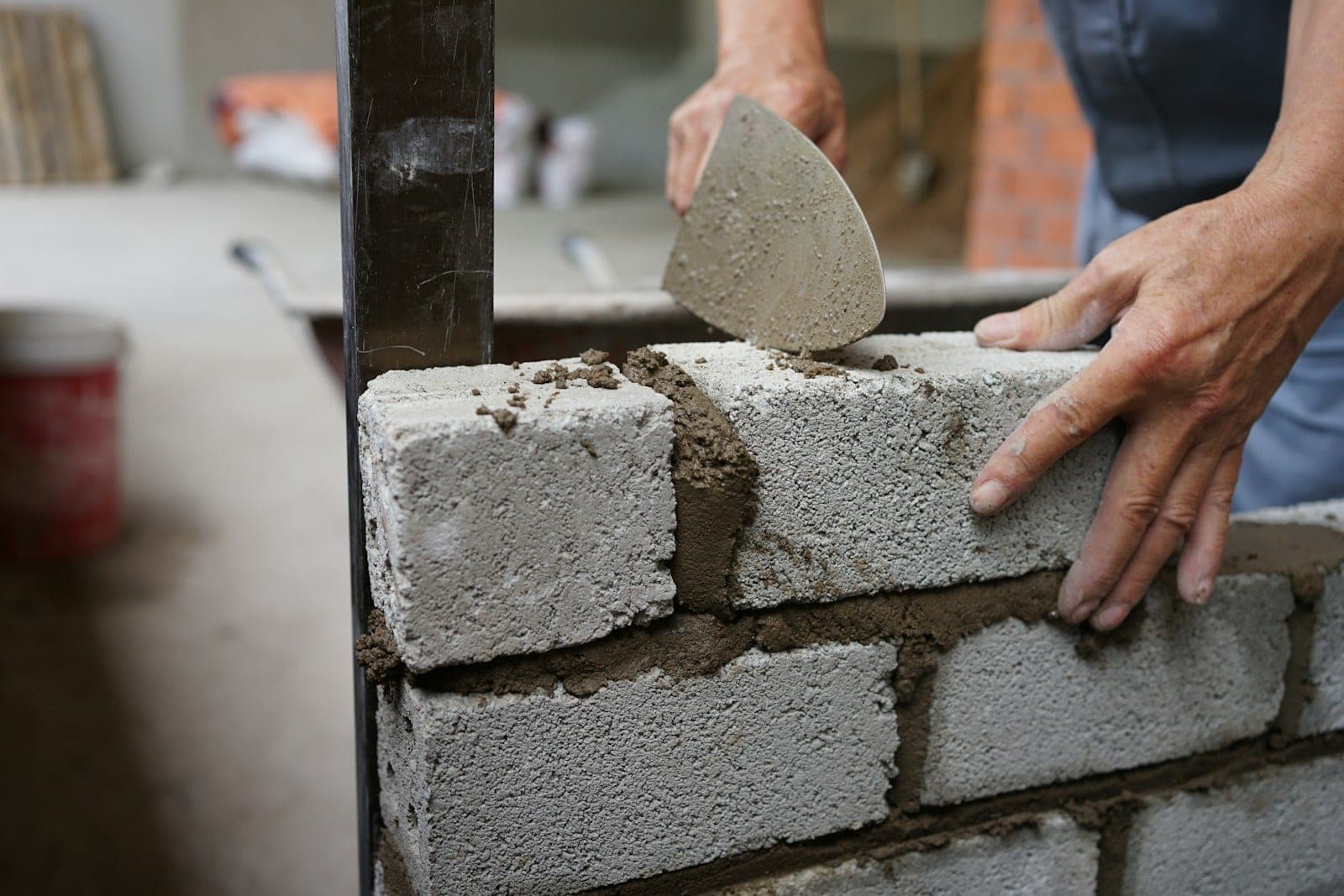
Old brick needs a mason who understands old mortar. Nineteenth-century brick was often laid in soft lime mortar, and a hard modern portland-cement mix in the joints can be stronger than the brick around it. When the wall freezes and thaws, the joint holds and the brick face breaks off instead. Ask a mason bidding on an old brick wall:
- What mortar mix do you propose, and why?
- How deep will you cut out the old joints, and with what tool?
- Will you match the color and joint profile, and make a sample first?
- How many bricks do you expect to replace, and where will they come from?
On a three-story block, ask how access is priced. Staging or a lift can cost as much as the repointing.
Chimneys that carry wood stoves: liners, crowns and flashing
Wood heats about one home in ten in Franklin County and one in eighteen in Hampshire, per the Census Bureau's 2024 survey, far above the state's 1%. Oil, which most of the region's older houses still burn, also vents through a chimney. A chimney in daily use through a Conway or Ashfield winter takes a beating from heat, acids and freeze-thaw, and many were built for a fireplace or a coal furnace, not a modern stove.
Common chimney jobs:
- Rebuilding the top. The brick above the roofline weathers fastest. A partial rebuild with a new crown is often enough.
- A new crown or cap. A cracked crown lets water straight into the chimney.
- Flue liners. An old chimney may need a stainless liner sized for the stove or boiler.
- Flashing. Where the chimney meets the roof, usually done with or by a roofer.
Ask the mason whether a liner is part of their job or a chimney specialist's, and who handles the flashing. Leave nothing to a "we assumed the other trade would do it."
A newer question comes from heat pumps. When an owner in Greenfield or Pittsfield replaces an oil boiler with a heat pump, the chimney that vented the boiler may suddenly serve nothing. An unused chimney still takes on rain and still loses heat. The options are to cap it at the top and keep it sound, to take it down below the roofline and patch the roof, or to remove it entirely, which is structural and opens floors and ceilings. Ask the mason to price the options side by side, and ask whether any remaining appliance, such as a water heater or a wood stove, still needs the flue before anyone caps it.
Who needs to be registered: garden walls versus the house
Massachusetts draws a clear line here. The state's HIC homeowner resources put freestanding masonry walls, like patios laid at grade, on its short list of jobs exempt from the registration. A stone wall along a field in Shelburne, or a garden wall in Northampton, can be built legally by an unregistered mason.
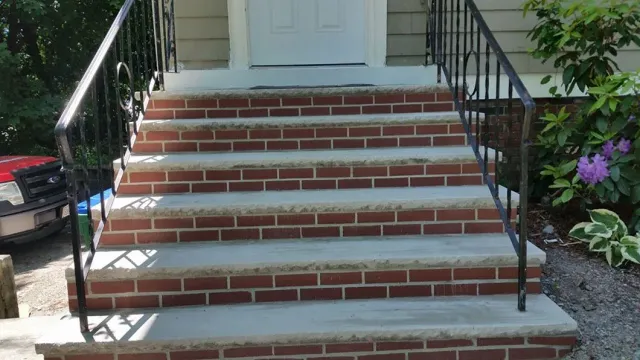
Masonry attached to the house is different. When a chimney, foundation or set of front steps belongs to a one- to four-family house its owner lives in, the job is home improvement, and the mason should hold an HIC registration, searchable on the Contractor Hub. Structural rebuilds, such as a chimney taken down and rebuilt or a foundation wall replaced, also need a construction supervisor; the state's CSL page applies that rule to every one- and two-family dwelling, large or small. Look that person up on eLIPSE.
Where the work is registered home improvement over $1,000, c.142A §2 requires a written contract with dates, a payment plan and the registration number, and keeps the deposit to a third of the total unless special-order stone or brick costs more.
Fieldstone foundations under hill-town farmhouses
Farmhouses and antique capes in the hill towns and much of the Berkshires stand on fieldstone foundations, laid with lime mortar or sometimes dry. They have stood for well over a century, and most problems are slow: mortar washing out of the joints, a stone loosening near a downspout, a section bulging where water and frost have worked on it.
A mason experienced with stone will usually repoint and reset rather than replace, and will look at drainage first. Ask whether the work will be done from inside the cellar, outside, or both; whether excavation is needed; and how the house will be supported if a section is rebuilt. Rebuilding a foundation wall is structural, with a permit.
Be wary of a quick fix that seals a fieldstone wall from the inside with a coat of cement. A stone foundation dries by letting moisture pass through its joints; trapping that moisture can push the problem into the sills and the framing above. A mason who works old houses will talk about letting the wall breathe and moving water away from it, not about sealing it shut. If two masons give you opposite advice, ask each to explain why, and favor the one who starts with the gutters and the grade.
Granite steps, retaining walls and Dig Safe
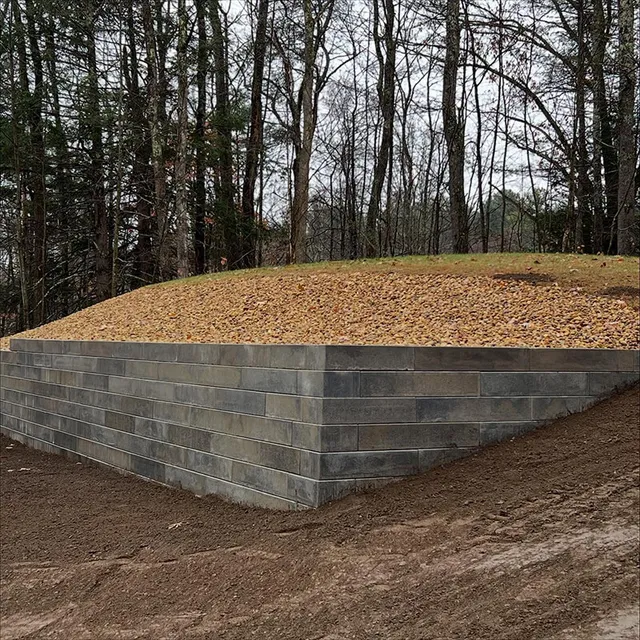
Granite front steps, stone retaining walls and bluestone walks are common jobs in the valley suburbs and the Berkshire villages. Building new steps or a wall on a footing means digging, and excavation means Dig Safe gets its 811 notice first, with the footing lines painted white and three working days allowed for the utilities to mark. Dig Safe marks the utilities' lines only; your private lines, such as a well line, a propane line or the septic pipe, are yours to point out.
Ask how a retaining wall will drain. Saturated soil behind stone presses hard each March and April, and hill-town frost reaches deep, so gravel backfill and a perforated pipe at the base are worth their cost.
Mortar, staging and the $4,150–$8,300 range
The Western Massachusetts calculator puts a typical masonry job at about $4,150 to $8,300, and the masonry cost estimate for this market lets you set the scope. Compare quotes on square feet of repointing and joint depth, the number of bricks or stones replaced, the mortar, staging or lift, and cleanup. A Pittsfield mason working in Adams is local; one driving to Westfield may add travel, so ask.