Masonry in Greater Worcester tends to fall into three kinds of work. In the city and its older ring towns, it is chimneys: brick stacks on three-deckers and two-families, many of them now unused or lined for a gas boiler, weathered by a century of freeze and thaw. In the Blackstone Valley and the old mill towns, it is brick walls, foundations and steps on houses built by the mills. And in the outer towns, where woodstoves are still a real heat source, it is chimneys that work hard every winter, plus stone walls, steps and retaining walls on hilly lots.
Brick built by the mills
The Blackstone Valley is full of housing that the mills built for their workers. In Whitinsville, the village in Northbridge, there is "mill housing from several eras, each built to support an expansion of the Whitin Machine Works," as the National Park Service's Blackstone River Valley guide puts it. Similar company housing stands across the valley, from Uxbridge to Blackstone.
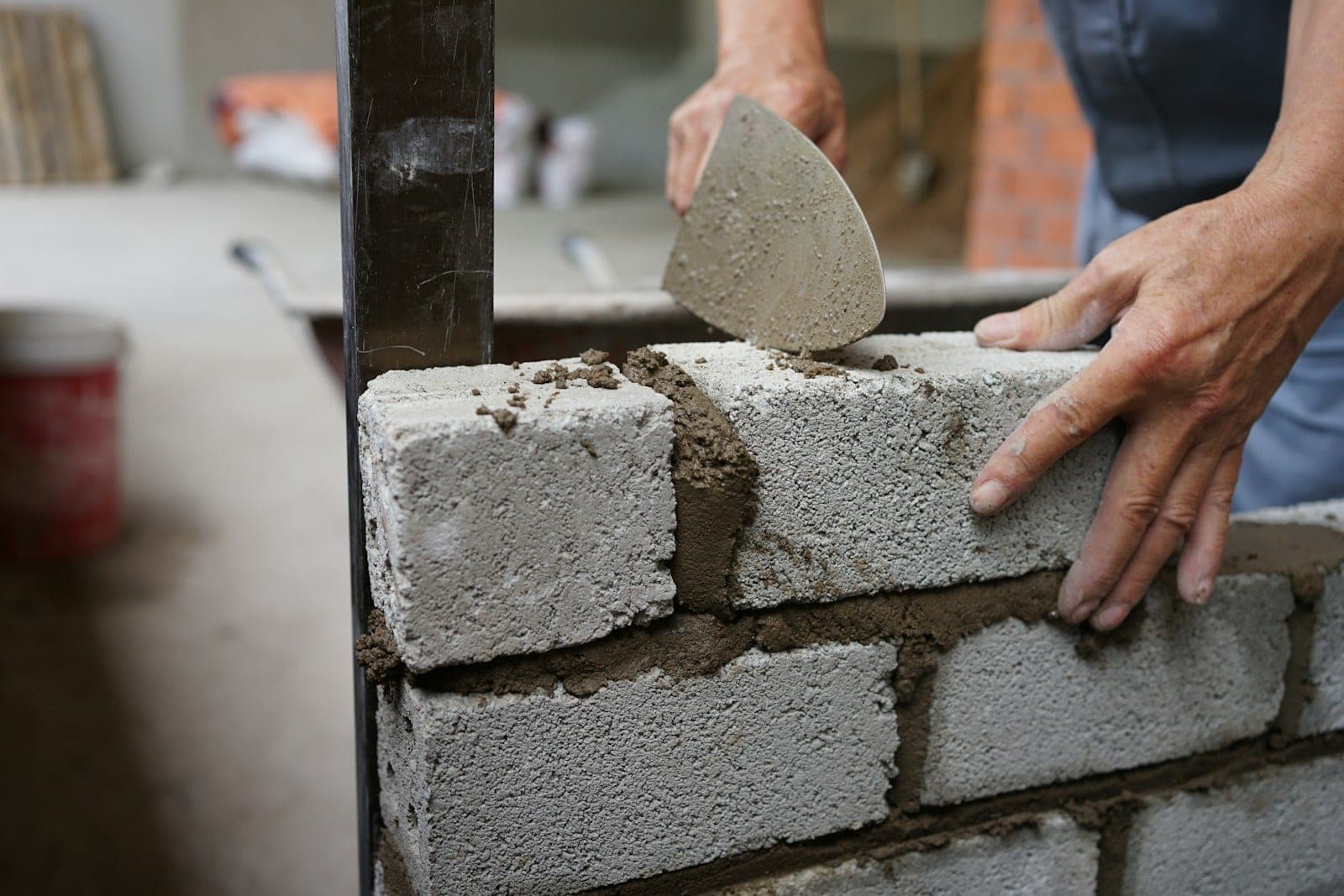
Brick from that era is softer than modern brick, and the original mortar was usually lime-based and softer still. That matters for repairs. Modern Portland-cement mortar is harder than the old brick; when it is used to repoint, the brick, not the mortar, takes the stress of freezing and expansion, and the faces of the bricks crack and flake off. A mason who works on old buildings will match the mortar to the brick, rake out the old joints by hand or with care, and tool the new joints to match.
So on any older brick house or chimney, ask each mason what mortar they plan to use and why. If the answer is "the same mortar we always use," keep looking.
When a chimney job becomes a permit job
Chimney work ranges from small to structural. Replacing a crown, resetting a few bricks or repointing the top courses is a repair. Taking a chimney down to the roofline and rebuilding it, or rebuilding a chimney that has pulled away from the house, is structural building work.
For structural masonry, the job goes on a building permit, and the permit names someone holding a Construction Supervisor License. The state's CSL guidance explains when one applies. In the city, Worcester's Building & Zoning division issues building permits for repairs and alterations through its online portal. In Gardner, Clinton or Southbridge, the town building inspector does.
The company itself should be registered as a Home Improvement Contractor when the house has one to four units and you live there. Search it on the Contractor Hub before you sign anything.
The city chimney nobody uses
Many chimneys on Worcester's two-families and three-deckers no longer serve a fireplace or a coal stove, and some no longer serve anything at all after a heating system was replaced. An unused chimney still takes the weather. Its crown cracks, water gets into the brick, and the stack can start to lean or shed bricks onto a porch roof three stories below.
An owner with a chimney like that has three choices, and a good mason will price all three. Repair it: repoint, replace the crown and cap the top. Line it, if a boiler or water heater still vents through it and the old flue is not right for modern equipment. Or take it down, either below the roofline with the roof patched over, or all the way, which is a larger job that touches the roof, the attic and sometimes interior walls. Taking a chimney down is often cheaper over twenty years than rebuilding one nobody needs, but ask whether anything still vents through it first. If a gas appliance does, the venting has to be resolved by a licensed gas fitter before any brick comes off.
On a tall building, the staging is a large part of the price whichever option you pick. Ask whether the mason will work from a lift, roof brackets or full staging, and whether any of it has to sit on a neighbor's lot.
Front steps and foundations in older neighborhoods
City houses often have brick or stone front steps and foundation walls that have shifted over a century of frost. A mason can reset loose treads, rebuild a step that has pulled away from the house and repoint a foundation where mortar has washed out. Ask whether the step needs a new footing, which turns a repair into a small excavation, and how the new work will be tied to the old.
Woodstove chimneys in the outer towns
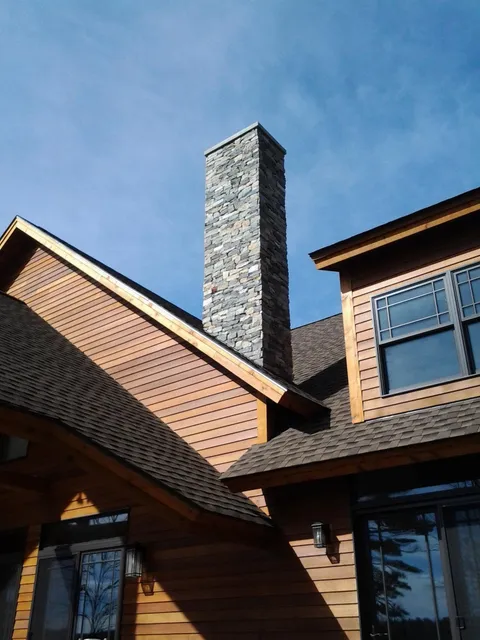
Wood heat is still part of life in the hill towns of the band, from Ashburnham and Templeton to Petersham and Hardwick. A chimney that serves a woodstove all winter needs more attention than one that vents a modern gas boiler, because creosote builds up and the masonry heats and cools every day.
If you heat with wood, ask a mason or chimney professional:
- When was the flue last inspected and cleaned?
- Is the liner intact, and is it the right size for the stove?
- Is the crown cracked, and is the flashing sound where the chimney meets the roof?
- Are there gaps between the chimney and the framing?
A crumbling crown or a cracked liner is not only a masonry problem; it is a fire risk. Many chimney sweeps also do minor masonry. For a rebuild, hire a mason with the credentials above, and agree in writing whether the mason or a roofer replaces the flashing.
Stone walls, steps and digging
Rural lots in Rutland, Hubbardston and Westminster are often crossed by old fieldstone walls, and many owners want them rebuilt or extended. Masons also build front steps, walkways and retaining walls. Any of that involving a footing or a trench is excavation, and Massachusetts law requires the person digging to notify Dig Safe first. Under MGL c.82 §40A, the notice comes at least 72 hours before the dig, with weekends and holidays not counted.
A retaining wall above a modest height, or one holding up a driveway or a slope near the house, is structural, and the mason should explain whether it needs engineering and a permit. Ask about drainage behind the wall too. A wall that holds back wet soil without a drain will lean.
Why masonry is cheaper here than in Boston
Masonry is one of the few trades the local calculator scales below the rest of Greater Worcester's prices. Most trades here use a factor of 0.96 against Greater Boston, but masonry uses 0.92. The adjustment comes from federal Bureau of Labor Statistics wage data for the Worcester metro area compared with Boston, and a construction cost index. Masonry is labor-heavy, so lower wages show up almost directly in the price.
The calculator default for a typical masonry job in Greater Worcester is about $4,150 to $8,300. To size your own chimney, steps or wall, open the local masonry estimate. Staging on a tall three-decker chimney, rebuilding from the roofline rather than repointing the top, and special brick or stone to match an old house all push a job higher.
Antique brick, cold snaps and the masonry contract
For home improvement work over $1,000 on an owner-occupied home, c.142A §2 requires a written contract that carries the mason's registration number, the start and completion dates, a description of the work and materials, the price and the payment schedule. The deposit is capped at a third of the price, unless special-order material such as matched antique brick costs more. Mortar needs mild weather to cure, so ask how the schedule handles a cold snap, and what protection the work gets if a frost is coming.
Five questions about mortar, permits and flashing
- What mortar will you use on this brick, and why?
- Is this a repair or a rebuild, and does it need a permit?
- Whose construction supervisor license will be on the permit?
- Who handles the flashing where the chimney meets the roof?
- How do you protect fresh mortar from cold and rain?