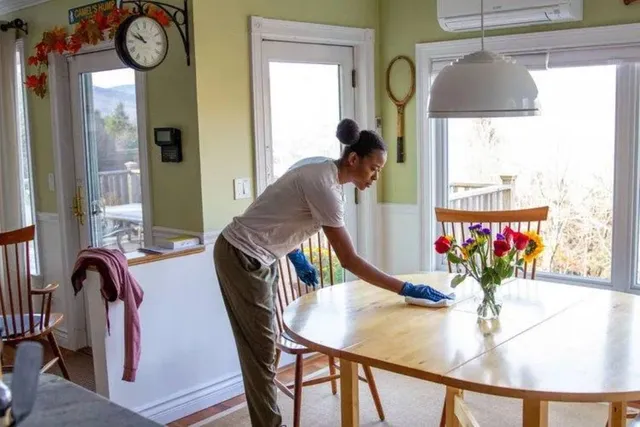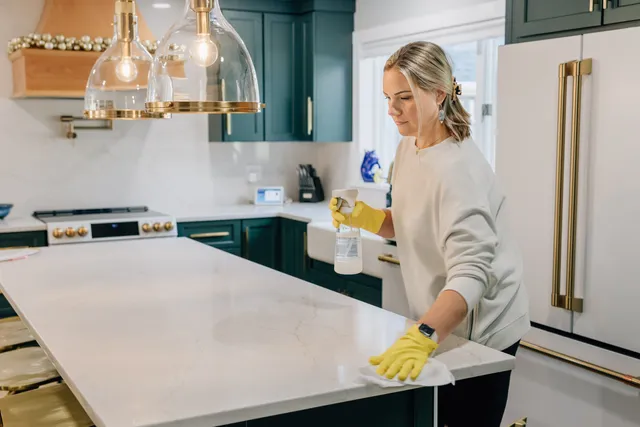
House cleaning in Vermont ranges from a weekly visit to a family in Williston to a same-day turnover between ski renters in Warren to a deep clean of a farmhouse in Newport before it goes on the market. None of it is licensed by the state. That leaves the homeowner to sort out the things a license would otherwise signal: who is coming into the house, what they are insured for, and what exactly they will do.
With no state license, what do you check?
Vermont does not license residential cleaners. There is no state credential to look up and no board that takes complaints about cleaning quality. The checks are practical.
Ask for proof of liability insurance, ideally a certificate. A cleaner who breaks a window, scratches a counter or causes a leak should be covered for it. If the cleaner works for a company, ask whether the people who come to your house are employees or independent contractors, and whether the company's insurance covers them. Ask for references from clients in your own area, whether that is South Burlington, Montpelier or Brattleboro.
The Attorney General's home repair checklist is written for contractors, but its basic advice travels well: ask about insurance, get the price and the scope in writing, and be cautious about paying for work before it is done.
Writing down what a visit includes
The most common complaint about house cleaning is a mismatch between what the client expected and what the cleaner thought they were hired to do. Avoid it with a written list. Which rooms? Are beds changed, and with whose linens? Inside the oven and refrigerator, or only the outsides? Windows inside, outside or not at all? Baseboards, ceiling fans, the basement, the mudroom?
Agree too on supplies: does the cleaner bring products and equipment, or use yours? If anyone in the house has allergies or sensitivities, or you have a preference for particular products, say so before the first visit.
Turning over a ski or lake rental between guests
In the ski and lake towns, much of the cleaning work is turnovers: a full clean between one set of renters leaving at ten and the next arriving at four. Stowe, the Mad River Valley around Warren and Waitsfield, Killington, Dover and Wilmington, and the lake towns all run on it in season.
Turnover cleaning is a different job from a weekly clean. It includes laundry, restocking, checking for damage and reporting problems to the owner. Ask the cleaner how they handle a late checkout, how they report damage (photos, a message, a written log), what they do if they find something broken or missing, and whether they can handle a same-day turnover on a Saturday in February when every other rental in town is turning over too. Agree on the price for a clean after a party or a pet that was not supposed to be there.
Cleaning products and a private septic system
Outside the town centers, many Vermont houses send their wastewater to a private septic system, which works by letting bacteria break down waste in the tank. Large amounts of harsh chemicals down the drain can disrupt that. If your house is on septic, as many are in towns like Woodstock or St. Johnsbury, tell the cleaner and ask what they use. Most routine cleaning products in normal amounts are fine; heavy use of bleach, drain openers and antibacterial products is worth limiting.
The Department of Environmental Conservation's wastewater program permits soil-based systems across the state; a failing system is an expensive fix, and the cleaner who notices a slow drain or a sewage smell and tells you is doing you a favor.
Private wells bring their own cleaning puzzle. Water with iron or manganese, two of the things the Health Department's well testing list checks for, can leave stains on fixtures and laundry. Tell the cleaner if you have stains like that, so they do not scrub a fixture trying to remove a stain that comes back with the next shower.
Dust in an older house
Much of a cleaning visit is dust, and in an older Vermont house, dust can carry lead. The Health Department's lead rules page presumes that any home built before 1978 has lead paint, and old windows and painted floors are where paint wears into dust. A cleaner is not doing lead work, but how they clean matters: wet wiping and a vacuum with a good filter collect fine dust, while dry dusting and sweeping can spread it.
If you have young children in an older house in Burlington or Manchester, ask the cleaner to wet-wipe window sills and wells and to use a filtered vacuum. If there has been renovation work in the house, the contractor is responsible for lead-safe cleanup of their own work area; do not expect a regular cleaner to substitute for it.
Winter grit, wood heat and the five-month mudroom
Vermont houses get dirtier in winter in particular ways. Boots bring in sand and road salt from November to April, and the salt leaves a white film on floors that a dry mop only pushes around. A wood stove or a pellet stove leaves fine ash and soot on nearby surfaces. A house closed up against the cold collects dust faster than one with the windows open.
Tell the cleaner about those things and agree how they will handle them. Salt film usually needs a damp clean with plain water or a mild cleaner suited to the floor. Ash around a stove should be cleaned when the stove is cold, never by the cleaner emptying the ash pan, which is a fire risk if embers remain. In a mudroom that sees five months of boots, a weekly wipe of the floor and the boot tray keeps the grit out of the rest of the house.
Cleaning for an older relative or an empty house
Some households hire a cleaner for someone else: a parent living alone in Randolph, or a house that sits empty while it is for sale. In both cases, the cleaner becomes a set of eyes. Agree in writing what they should report, such as a leak, a cold house, an unusual smell or a fall risk, and how quickly. For a house for sale, agree on the standard for showings and who restocks basics. A cleaner who will text you a photo of a dripping pipe in January may save you far more than their fee.
Flood, construction and move-out cleans
Some cleans are one-time jobs with their own risks. After a basement floods, cleaning may involve mold and contaminated water; that is specialized work, and the state's disaster recovery site lists resources for those affected by declared floods. After a renovation, post-construction cleaning removes fine dust that a regular clean does not touch. At move-out, the standard is usually set by a lease or a sale agreement.
The Vermont calculator default for a typical cleaning visit is about $150 to $240; the Vermont house cleaning cost page compares regular, deep and move-out cleans. Ask whether a price is per visit or per hour, how many cleaners will come and for how long, and what is extra.