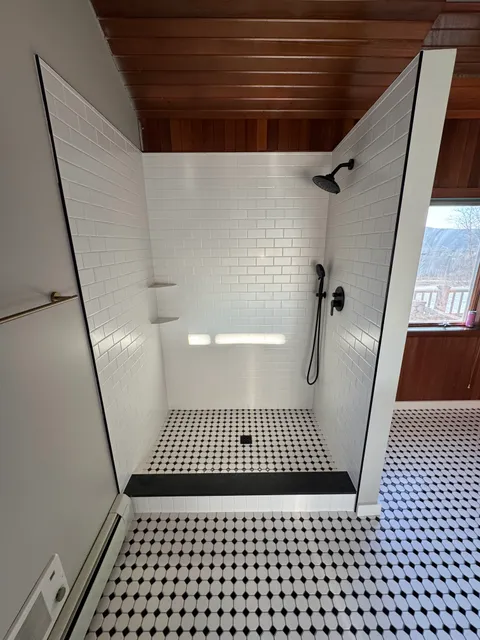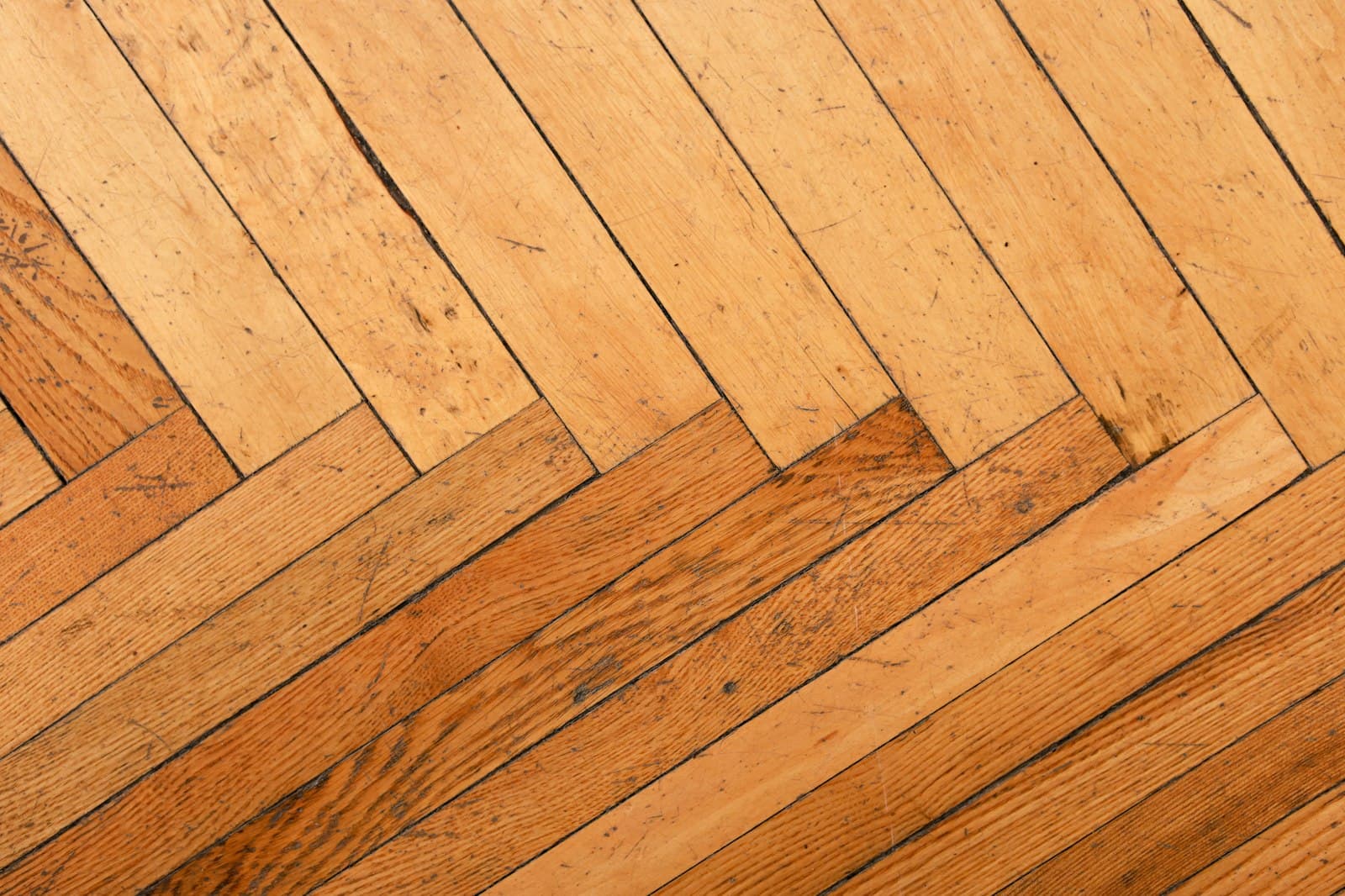
Floors in Vermont work hard. They carry mud and road salt all winter, swell in humid summers and shrink in heated, dry Januaries, and in the river towns some of them have been under water more than once in the last three years. A flooring contractor in Colchester, Montpelier or Chester is often dealing with all three at once, in houses where the newest floor sits on top of three older ones.
Replacing floors after a declared flood
The flood years left a lot of floors to replace. Between July 2023 and July 2024, five federal disaster declarations covered all 14 Vermont counties and more than 150 communities, according to the state's disaster recovery site. In the worst-hit river valleys, first floors took water as well as basements, and many of those rooms are still being finished.
Flooring after a flood is not a cosmetic job. Before new flooring goes down, the subfloor and framing have to be dry, any mold-damaged material removed, and the moisture content checked with a meter. A contractor who wants to lay new flooring over a subfloor that has not been tested is setting up a second failure. Ask how they will measure dryness, what reading they will accept, and what they will do if the subfloor needs replacing.
If your damage came from a declared disaster, check the disaster recovery site before you hire. Some assistance programs require documentation of the damage and the repair, and photos of the subfloor before the new floor covers it are worth taking regardless.
What is under the old linoleum?
Old Vermont houses tend to have layers: carpet over vinyl over sheet linoleum over the original boards. Some of those layers may contain materials worth testing before anyone tears them out. Older resilient tile and sheet flooring, and the adhesive under them, can contain asbestos. Burlington's Department of Permitting and Inspections notes that demolition there usually requires asbestos testing; it is a sensible question to ask about any old floor anywhere in the state.
Ask the flooring contractor whether they test suspect materials before removal, or whether you should arrange testing first. If a layer can stay in place and be covered, that is sometimes the safer and cheaper choice; if it has to come up, removal of asbestos material is specialized work.
Painted floors, baseboards and lead-safe sanding
Many older Vermont houses have painted floors, especially in kitchens, back rooms and upstairs, and nearly all have painted baseboards and trim. Sanding a painted floor or prying off painted baseboards disturbs old paint. The Health Department's renovation, repair and painting rules presume lead paint is present in any house built before 1978 and require licensed lead-safe practices once more than one square foot of painted surface in a room is disturbed.
A floor sander in a painted room passes that in seconds. Ask whether the contractor holds an RRPM license, how dust is contained during sanding, and how the room is cleaned and checked at the end. Even refinishing a clear-finished wood floor in an old house can involve painted edges and trim, so ask. If the floor is in a rental unit you own in Montpelier or Springfield, the lead-safe standard applies the same way, and the cleanup at the end should leave the unit ready for a tenant, not just swept. Keep the contractor's paperwork with your rental records.
Wood floors in a house that dries out every winter
Wood moves with moisture. In a Vermont house heated by a wood stove or a heat pump through a long winter, indoor air can get very dry, and in a humid August it swings the other way. Boards installed at the wrong moisture content open gaps in winter or cup in summer.
A careful installer measures the moisture of the new wood and of the subfloor, lets the wood acclimate in the house as the manufacturer directs, and leaves expansion space at the walls. Ask how they handle that, and ask about engineered wood as an alternative where swings are large. In a seasonal home in Danville or a camp near Newport that sits unheated for weeks, discuss that with the installer before choosing a product.
Registration, permits and who checks the work
For flooring, the state's paperwork is light. Burlington's construction permits page lists carpeting among the work that needs no building permit, and most other towns do not inspect floor work. Structural repairs to the subfloor or framing are a different matter and may need a permit in the city.
Ask whether the installer is registered with the Office of Professional Regulation. On a contract over $10,000 that includes subfloor replacement or other repair to the building, Vermont's residential contractor law applies, with its written-contract rule and deposit ceiling. You can check status on the OPR lookup.
Floors over a cold crawlspace or an unheated porch
Plenty of Vermont houses have rooms that sit over a crawlspace, an old porch that was closed in, or an ell that was added onto the main house with little underneath it. Those floors are cold in winter, and the cold side of a floor is where moisture collects. Laying new wood or laminate over them without looking underneath is a gamble.
Ask the installer to look at what is below the floor before quoting. Is there insulation, and is it held in place? Is there a vapor barrier on the ground of the crawlspace? Is there a sign of past moisture, such as stained joists or a musty smell? Some of those fixes belong to another trade, such as an insulation contractor or the weatherization program Efficiency Vermont runs, but the flooring contractor should tell you about them before the new floor goes down, not after it cups.
Comparing flooring quotes
The Vermont calculator default for a typical flooring project is about $5,300 to $8,450; the Vermont flooring cost page shows how material and area change the total. Two quotes for "800 square feet of oak" can differ by thousands depending on what they include. Ask each to list removal and disposal of old flooring, subfloor preparation, underlayment, transitions and thresholds, stair treads, baseboard work, furniture moving and finish coats.
Ask too about waste. Installers order extra material to cover cuts and defects; the quote should say how much and who keeps what is left. A few spare boxes are worth keeping for repairs. Ask about the schedule as well: how long each room will be out of use, how long a finish needs before furniture goes back, and whether the installer works around a family living in the house.
Mudrooms, entries and the salt season
The entry is where Vermont floors fail first. Snow, meltwater and road salt tracked in from November to April are hard on wood and on many finishes. In a mudroom in Vergennes or Ferrisburgh, or a back entry in St. Johnsbury, consider tile or a resilient floor rated for wet use, with a proper threshold and a mat well. Ask the installer what they would put in an entry that sees boots every day for five months, and what maintenance it needs.