Moving in Vermont is mostly about distance and access. The largest city is small, the towns are spread out, and many houses sit on roads that a moving truck would rather avoid in April. A move from an apartment in Winooski to a house in Essex is a short local job. A move from a farmhouse in a hill town to Boston, or from Brattleboro to a camp near Jay, is something else. The checks differ by which kind of move you are making.
Checking a mover's USDOT number for a move out of state
If your move crosses a state line, the mover is an interstate carrier, and federal rules apply. An interstate household goods mover must have a USDOT number, and you can look it up through the Federal Motor Carrier Safety Administration. Ask for the number in writing, search it, and make sure the company name on the record matches the one on your estimate.
That matters in Vermont more than you might think. Norwich and Hartford sit on the Connecticut River across from New Hampshire, Bennington is minutes from New York, and Brattleboro is close to Massachusetts. A move of a few miles from any of those towns can cross a state line. If it does, the interstate rules apply, however short the trip.
Watch for the broker problem. Some companies that answer the phone are brokers, not movers; they sell your job to a carrier you have never heard of. Ask directly whether the company will move you with its own trucks and crew. If not, ask who will, and look up that carrier too.
What to ask on a move that stays inside Vermont
Vermont's Department of Motor Vehicles runs the state's commercial vehicle enforcement program, which covers truck safety on Vermont roads. For a move that stays inside the state, ask the mover what authority or registration it holds, how it is insured, and what protection it offers for your belongings.
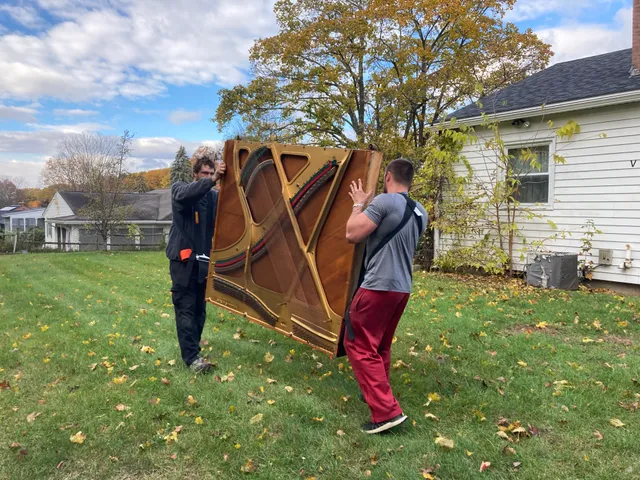
Get a written estimate either way. For a local move billed by the hour, the estimate should show the hourly rate, the crew size, the minimum hours, how travel time is counted, and what costs extra: stairs, long carries, packing materials, a piano or a gun safe. For a move between two towns an hour apart, such as Rutland City to Barre or St. Albans to Montpelier, ask whether the drive is billed at the full crew rate.
Will the truck make it up your road?
A large moving truck needs a road that can carry it and a place to turn around. On a paved street in Burlington that is not a question. On a dirt road in the hills, it can be the whole question. In mud season, when the snowmelt comes out of the ground in spring, many dirt roads soften enough that a heavy truck can get stuck or damage the road. In winter, a steep driveway that has not been plowed and sanded is not passable for a loaded truck.
Tell the mover about the road and the driveway when you ask for the estimate. Send photos. A mover may plan for a smaller truck and a shuttle, with the goods transferred at the bottom of the hill, which adds time and cost. Better to know before moving day than to find out with the crew on the clock.
Moving around the college calendar
Burlington and Winooski, with the University of Vermont, and Middlebury, with its college, see a wave of rental turnover in late summer as students and staff arrive. Across the river from Norwich and Hartford, the Dartmouth calendar has the same effect. If your move falls in that window, book early and expect less choice of dates. If you can move in spring or fall, you will usually have more crews to pick from.
Packing, storage and second homes
Some moves in Vermont are seasonal: an owner closing a camp for the winter, or bringing furniture to a ski house in the fall. Others involve storage between houses. Ask whether the mover offers storage and where it is, how goods are protected from damp and cold, and how you get them back. For a camp near Newport or a ski house in Jay, ask how the mover handles a house where no one will be present at delivery.
Packing is a large share of the cost. Full packing service is the most expensive option; packing yourself and leaving only the fragile items to the crew is the cheapest. Either way, label boxes by room and keep a list. A winter move adds its own steps: keep house plants, paint, and anything that should not freeze in your own car rather than a cold truck, and if the house you are leaving will sit empty, arrange for the heat to stay on and the water to be shut off before you hand over the keys. In a town like Barre or St. Albans, ask the mover whether the crew will clear a path or whether that is yours to do.
Protecting your belongings and your floors
Ask the mover what valuation coverage it offers. On many moves the basic protection pays far less than replacing a damaged item would cost. Fuller coverage costs more. Decide before the move, and get the choice in writing.
On moving day, ask the crew to protect floors, stair rails and door frames. In an old house in Middlebury or Brattleboro with narrow stairs and plaster walls, that matters. Walk through with the crew lead before they leave, note any damage on the inventory, and take photos.
When a move goes wrong: where Vermonters can turn
Most moves end with a tired crew and a few scuffed boxes. Some end with a bill far above the estimate, a truck that holds your furniture until you pay, or a broken heirloom and no answer. Prepare for that before it happens: keep the written estimate, the inventory, the bill of lading on an interstate move, and photos of anything valuable before it is packed.
If a dispute will not settle with the mover directly, the Attorney General's Consumer Assistance Program offers consumer education, a complaint mediation service and referrals, and it can be reached by phone at 800-649-2424. For an interstate move, the federal motor carrier agency is the other place to report a carrier, and the USDOT number you looked up at the start is the identifier it will ask for. A company that refuses to give you that number in writing, or asks for a large cash deposit before it has seen your house, is telling you something before the first box moves.
Comparing moving quotes
The Vermont calculator default for a typical local move is about $790 to $1,500; the Vermont moving cost page shows how home size and extras change it. Get at least two estimates, ideally from movers who have seen your house in person or on video. An estimate given over the phone without seeing the contents is a guess. A price far below the others is worth a question: what is missing, and what will the bill look like at the end of the day?