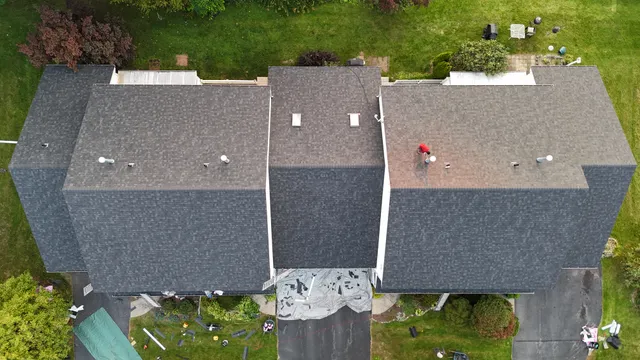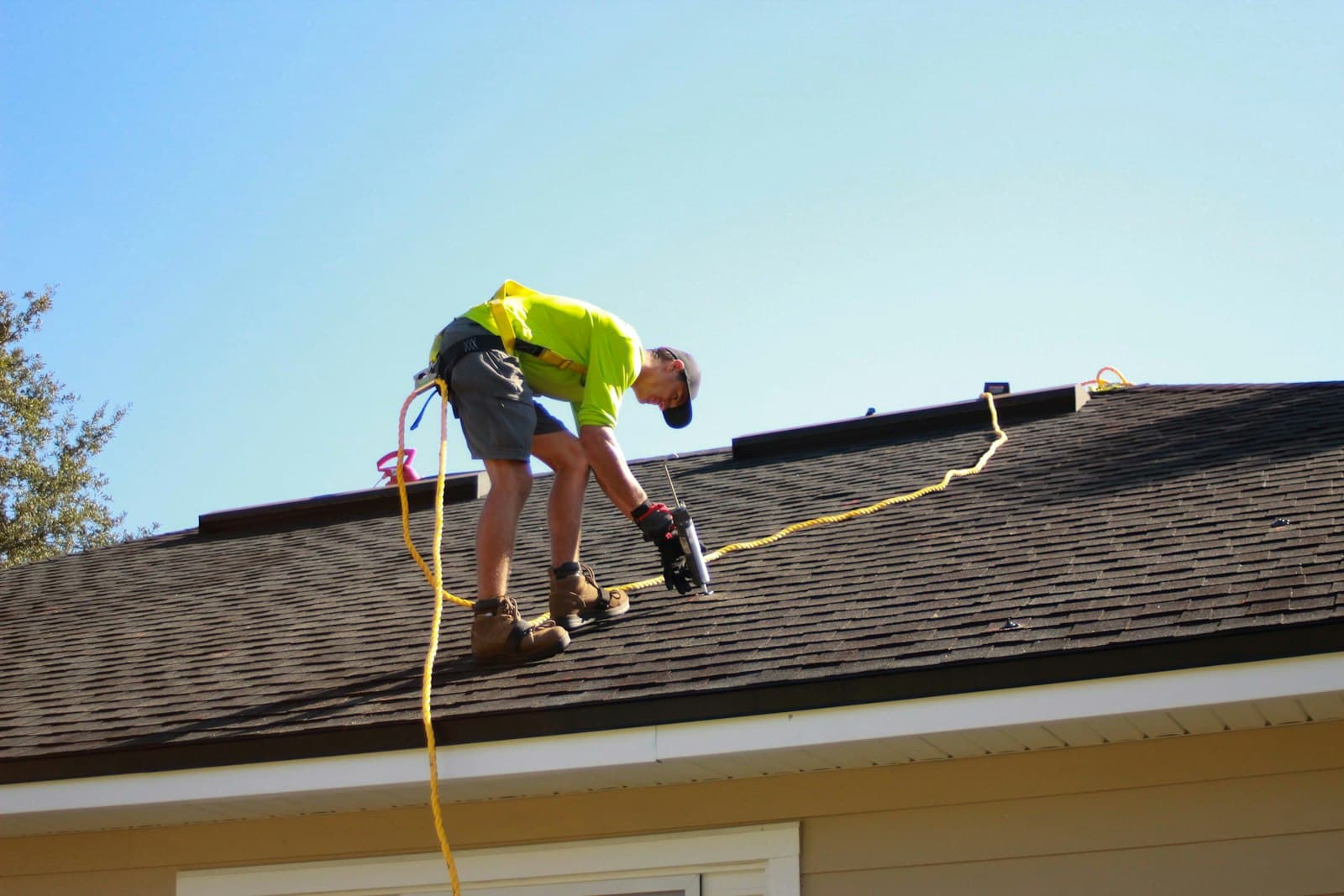
A roof is often the first five-figure contract a Vermont homeowner signs, and the state wrote its residential contractor law with exactly that kind of job in mind. Since 2023, a roofer taking on a project of that size has had to be on a public register, carry real insurance and hand you a written contract that spells out the price and the dates. Those rules apply the same way in Milton as in Wilmington. What differs across the state is the roof itself, the access, and how far the crew has to drive.
Is this roofer on the state register?
Vermont's residential contractor statute, 26 V.S.A. chapter 106, names roofing among the work it covers. Anyone contracting with a homeowner for more than $10,000 in labor and materials on a building of up to four units has to be registered with the Office of Professional Regulation before taking the job. The register opened for applications in December 2022, and registration has been required since April 1, 2023, according to OPR's own FAQ. The fee is modest: $75 for an individual, $250 for a business.
You can search the OPR lookup by name. A roofing company that has been in business in Vergennes or Castleton for twenty years should be there under its own name. If it is not, ask why before you go further. A small repair under the threshold does not trigger the rule, but most full replacements in this state clear $10,000 easily.
Registration carries an insurance requirement that matters on a roof more than almost anywhere. Section 5509 of the chapter requires a registered contractor to carry liability coverage of at least $1 million per occurrence and $2 million in the aggregate. Ask for the certificate, with your name as the certificate holder, and check the dates.
How much can a Vermont roofer ask for up front?
The deposit rule in chapter 106 is specific. If the deal fixes a top price, or caps a time-and-materials bill, the down payment may be up to one-half of the labor cost or one-half of the price of materials, whichever is greater. Only an uncapped time-and-materials contract leaves the deposit to negotiation.
That ceiling is the legal maximum, not a recommendation. The Attorney General's home repair guidance suggests keeping a deposit to 10 to 30 percent where possible. On a roof, a reasonable middle ground is a deposit tied to the delivery of materials to your driveway, with the balance due on completion and a final walkthrough.
Four things a roofing contract in Vermont has to state
On a job over $10,000, the law says the agreement must be written and signed before money changes hands or work starts. Section 5509 lists what it has to contain:
- How the price is set: a ceiling price, hourly-plus-materials up to a cap, or hourly-plus-materials with no cap.
- When the work should begin and end, as estimates.
- The scope of work and the materials, which on a roof means the shingle or panel line, the underlayment, ice barrier, flashing and ventilation.
- A procedure for changes, with any change recorded in a signed writing.
That last item matters because roofs hide things. Rotten decking under the old shingles is the most common change order in any old house. Ask the roofer to price replacement decking per sheet in the contract, so a surprise in Essex Junction does not become a blank check.
Roofing a ski-town second home from two hours away
The ski towns carry a lot of seasonal property: Killington, Ludlow, Dover, Stratton and, in the north, Jay and Burke. An owner who lives in another state and visits on weekends is in a weaker position to watch a roof job. That makes the written contract and the payment schedule more important, not less.
Ask for photos at tear-off, at the deck, and at completion. Ask who on the crew is the point of contact and how quickly they answer. Schedule work outside the ski season if you can, both for access on the mountain road and because crews in those towns book up early. If the house is rented, make sure the roofer knows when guests are arriving.
Does adding insulation during a re-roof bring in the energy code?
Vermont's Residential Building Energy Standards apply to more than new houses. The RBES page at the Department of Public Service says the standards cover additions, alterations and repairs to residential buildings of three stories or less. A revised rule took effect on July 14, 2026, and lets a builder comply with either the 2020 or the 2024 edition. The paperwork is an RBES certificate and an owner and builder disclosure statement.
On a roof, this comes up when the job goes past shingles: a new layer of rigid insulation above the deck, a rebuilt cathedral ceiling, or a converted attic. Ask the roofer whether the work they are proposing triggers an RBES certificate, who prepares it, and whether it is in the price. A contractor who has never heard of the certificate is telling you something about how often they work on more than the surface.
Old Burlington roofs and the historic question
Many Burlington houses are old enough to matter to a historic review. The city's historic buildings page notes that a building over 50 years old may be eligible for listing. Zoning approval comes first in the city's permit process, so if you are changing a slate roof to asphalt or metal on an older house, ask the permit office before you sign whether the change needs review. A roofer who works in the city regularly should know the answer, or know whom to call.
When a roofer takes the deposit and disappears
Vermont treats this as more than a contract dispute. Home improvement fraud is a crime under 13 V.S.A. § 2029, and the Attorney General keeps a Home and Land Improvement Fraud Registry of contractors convicted of it. A contractor on that list must post a $250,000 surety bond or meet notice requirements to keep working. Search it before you sign.
If something goes wrong, the two offices do different jobs. OPR can discipline a registered contractor for deceptive conduct, failing to use a written contract, or letting insurance lapse; its homeowner resources page is plain that it does not judge workmanship, mediate or award money. The Attorney General's Consumer Assistance Program takes complaints outside OPR's reach, has a home improvement specialist, and will tell you about complaint history.
Permits, snow and timing across the state
Burlington handles roofing on a short-form building permit through the Department of Permitting and Inspections. Most smaller towns issue zoning permits only and do not inspect a re-roof; call your town's zoning administrator to be sure. In-kind repairs of $1,000 or less in Burlington need no building permit at all.
Winters here are long and snowy, so the roofing season is compressed. Crews fill their calendars by spring. A late-fall start in a northern town risks a job paused by the first storm with your house open to the weather, and a contract should say what happens if that occurs: who tarps, who pays, and when work resumes.
The Vermont calculator default for a typical roof is about $7,900 to $16,400, and the Vermont roofing cost page shows how the size, pitch and material shift the range. Get at least two written quotes on the same specification so you are comparing roofs, not prices.