Wet basements are an old Vermont problem that the last three years made new. Stone and block foundations, high water tables and a long spring thaw have always kept waterproofing contractors busy. Then came the July 2023 flood, followed by four more federal disasters by the summer of 2024, and basements in river towns took on water they had never seen. The trade grew, and so did the number of people selling fixes that do not match the problem.
What July 10, 2023 did to Montpelier's basements
The National Weather Service's summary of the 2023 flood records the numbers. On July 10, the Montpelier airport measured 5.28 inches of rain, the wettest calendar day there since records began in 1948, edging past the 5.27 inches that fell during Tropical Storm Irene. July 2023 as a whole set an all-time monthly record of 12.06 inches.
That kind of rain fills basements two ways. Water comes up through the floor and walls as the ground saturates, and in the valleys it comes in through the windows when the river rises. In the Winooski valley, from Middlesex down through Berlin, plenty of basements saw both. The first is a waterproofing problem. The second is a floodplain problem, and no membrane or sump stops it.
Is your wet basement groundwater, runoff or the river?
A good contractor diagnoses before selling. The questions are where the water enters, when, and how much. Water that seeps at the base of the wall after every heavy rain points to hydrostatic pressure and poor drainage at the footing. Water that runs down the inside of one wall in spring points to a gutter, a downspout or a grade that slopes toward the house. Water that arrived once, three feet deep, came from outside the property.
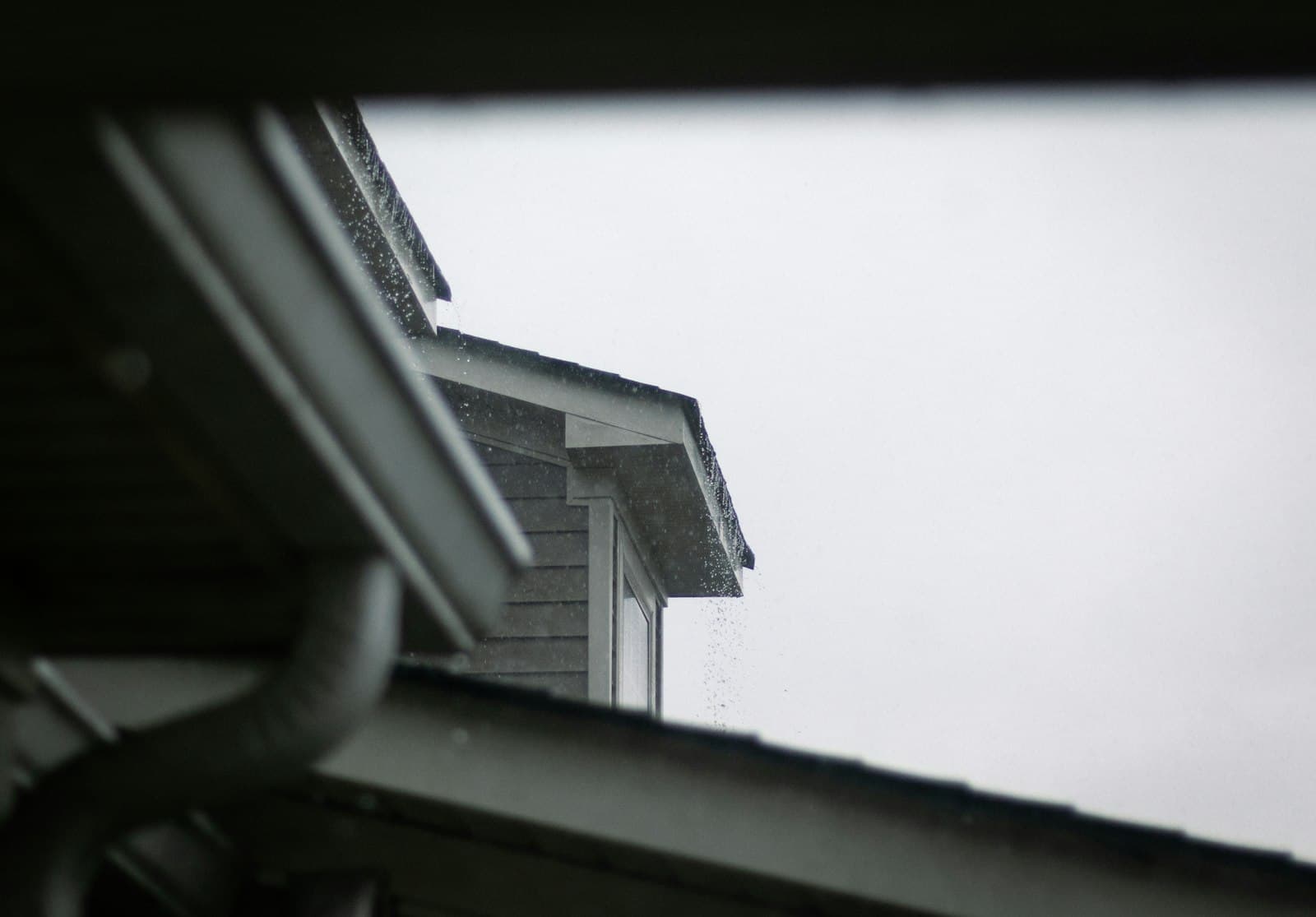
Ask the contractor to walk the outside of the house first. Grading, downspout extensions and clearing a clogged footing drain cost a fraction of an interior system, and sometimes they are the whole answer. A waterproofing salesperson in Johnson or Hyde Park who goes straight to the basement and quotes a full perimeter system without looking outside has skipped the cheapest fixes.
Old fieldstone foundations and what they can hold back
Many older Vermont farmhouses and village houses sit on fieldstone or rubble foundations, laid up from the stone that came out of the fields. Those walls were never meant to be watertight; they were built to drain. Painting a waterproof coating on the inside of a stone wall rarely works for long, because the water is coming through the joints behind it and the coating has little to grip.
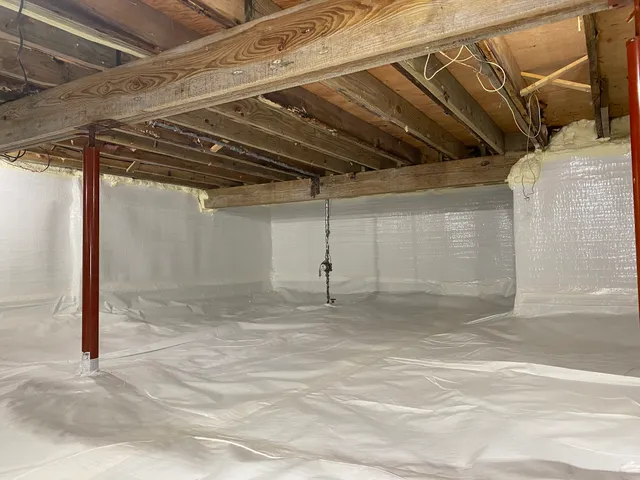
For a stone foundation, the realistic goals are to manage water rather than stop it: an interior drain at the base of the wall that carries seepage to a sump, a vapor barrier on the walls that directs water down into that drain, and better grading outside. Ask the contractor what they would promise for a stone wall and what they would not. An honest answer will include the word "manage." A contractor in Wolcott who promises a bone-dry fieldstone cellar with a coat of paint is promising something the wall cannot deliver.
Spring snowmelt and the mud-season basement
In much of the state, the wettest basement weeks are not in summer but in April, when snowpack melts into ground still frozen below. The National Weather Service office in Burlington publishes a winter and spring flood outlook each year, which gives a sense of how much water is sitting in the snowpack.
If your basement in Plainfield or Marshfield takes water only during the thaw, tell the contractor. Snowmelt problems often respond to surface fixes: moving the snow piles from the plow away from the foundation, extending downspouts, and making sure the ground slopes away. Ask what the contractor would do about the thaw before pricing anything for the walls.
Registration and the written contract on a waterproofing job
Most real waterproofing jobs pass $10,000, and that brings Vermont's residential contractor law, 26 V.S.A. chapter 106, into play. The contractor must be registered with the Office of Professional Regulation, carry liability insurance of at least $1 million per occurrence, and give you a written contract before taking a deposit or starting work. You can confirm registration on the OPR lookup.
The contract should name the system: interior drain or exterior excavation, the type of membrane, the sump pump model and its backup, and where the discharge runs. It should say what happens to anything found along the way, such as a cracked footing or a buried oil tank. If the price is fixed or capped, the down payment may not exceed half the labor or half the materials, whichever is greater. Waterproofing companies that sell transferable warranties should put the warranty terms in the contract too.
After a flood, demand for this work spikes, and so does the number of new companies. The Attorney General's home improvement page is a good place to start if you want to ask about complaint history before you sign with someone you have not heard of.
Sealing a basement and testing for radon
Radon enters a house through the same floor and walls a waterproofing contractor works on, so the two jobs overlap more than people expect. A new drain, a sump pit or a sealed floor can change how soil gas reaches the basement. For radon, the Health Department's advice is a long test, three months to a year, run through at least part of a heating season; the department sells the kits.
Test before the work and again after. If the numbers are high, a radon mitigation system can often share the sump and the perimeter drain the waterproofing contractor installs. Ask whether the contractor has done that before, or whether they will coordinate with a mitigation installer.
Wells, septic and the electrical panel in a wet basement
A waterproofing job in a rural house touches more than walls. If the well pipe enters through the foundation, the contractor must seal around it without damaging it. If the house is on septic, the sump discharge must go somewhere other than the leach field. If the electrical panel sits low on a wall that takes water, consider having an electrician raise it while the basement is torn up. And if the well flooded, the Health Department's guidance on testing is the next call.
Help with costs after a declared disaster
The state's disaster recovery site gathers the assistance programs that followed the 2023 and 2024 floods. If your basement damage came from a declared disaster, check what is available before you hire, since some programs have their own requirements for how work is documented.
The Vermont calculator default for a typical waterproofing job is about $6,700 to $13,200; the Vermont waterproofing cost page shows how the system type changes it. Ask for two or three diagnoses before you compare prices. In Bethel, Royalton or Brandon, where rivers run close to the houses, a contractor who tells you honestly which water they can stop and which they cannot is the one to hire.