Tavlee
Coverage map
  • Explore
  • Saved
  • Log in
Tavlee
Coverage map
Tavlee

A trustworthy directory of home contractors — every claim sourced, licenses verified, rankings that can't be bought.

Trades in Champlain Valley

  • Plumbers in Champlain Valley
  • Electricians in Champlain Valley
  • HVAC Contractors in Champlain Valley
  • Roofers in Champlain Valley
  • General Contractors in Champlain Valley
  • Bathroom Remodelers in Champlain Valley
  • Kitchen Remodelers in Champlain Valley
  • Window, Siding & Gutter Contractors in Champlain Valley
  • Fence Contractors in Champlain Valley
  • Landscapers in Champlain Valley

Hiring guide · Vermont

Hiring a Painter in Vermont: Lead Thresholds by Wall, Test Kits That Do Not Count and a Short Exterior Season

By Tavlee · Published November 3, 2026

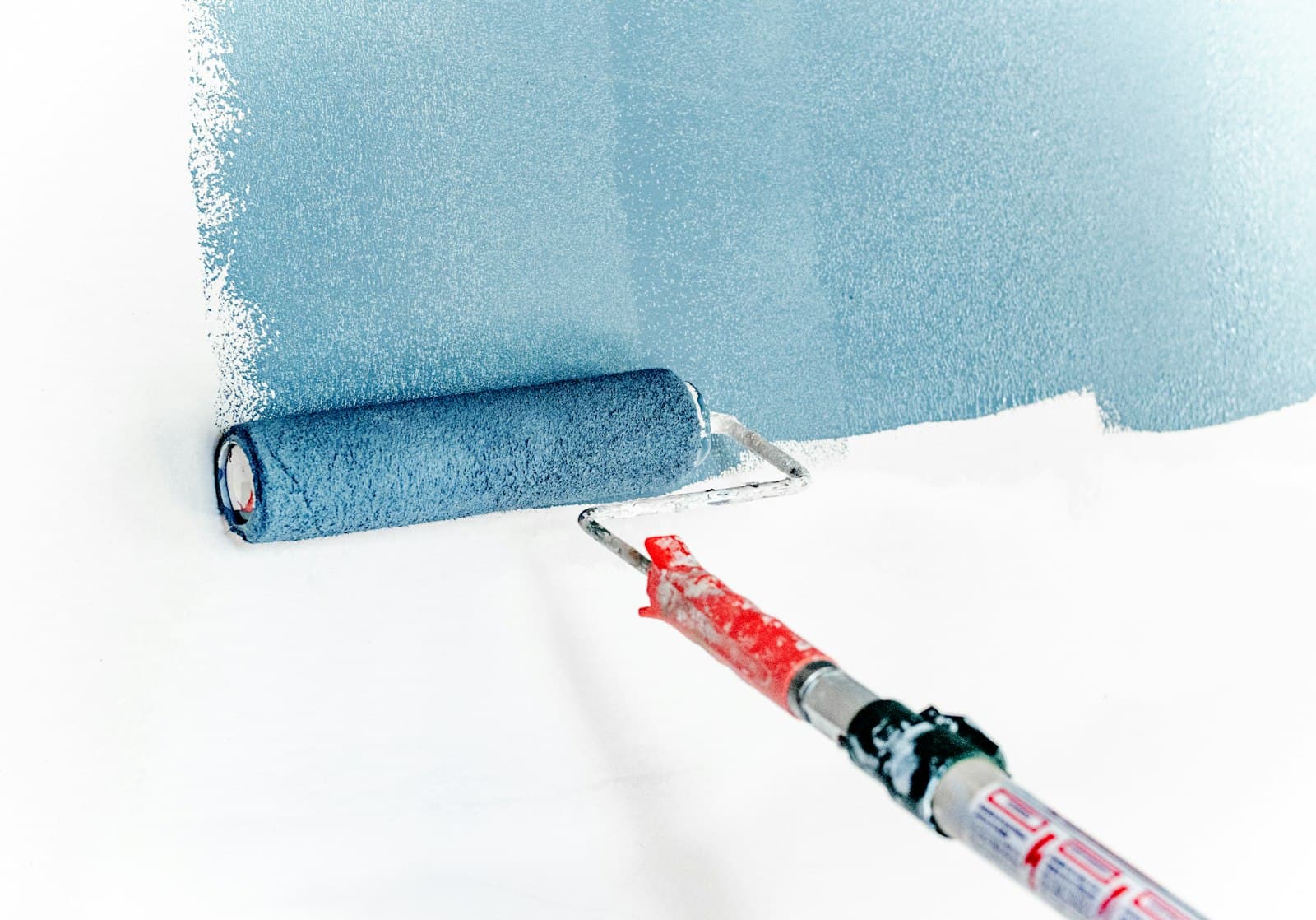
A roller laying fresh blue paint on a wall
Photo: Theme Photos on Unsplash

The short answer

A typical Vermont painting job runs about $5,600 to $8,350. About 60 percent of Vermont homes were built before 1978, and in those houses the Health Department requires lead-safe RRPM work once a painter disturbs more than one square foot in a room or twenty on an outside wall. Painting contracts over $10,000 also require registration with the Office of Professional Regulation.

Lead rules
RRPM license above 1 sq ft per interior room or 20 sq ft per exterior side in a pre-1978 owner-occupied home
Registration
OPR registration for painting contracts over $10,000; painting is named in the law
Typical job
About $5,600 to $8,350 (Vermont calculator default)
Typical cost
$5,600 – $8,350
Tracked on Tavlee
69 painters in Champlain Valley

Most painting jobs in Vermont are, in legal terms, lead jobs. The state's housing is old, its rules about old paint are detailed, and painting is the trade that touches the most painted surface. A painter in Middlebury, Randolph or Brattleboro who prices your house without asking when it was built has skipped the first question.

How many Vermont houses carry old lead paint?

The Health Department estimates that about 60 percent of Vermont homes were built before 1978, the year lead paint was banned for residential use. Under its renovation, repair and painting rules, Vermont law presumes lead paint is present in every one of them until a proper test shows otherwise. That is the default your painter works from.

Hardware-store lead test kits do not settle the question. The same rules say those kits are not accepted as proof that a house is free of lead. If a painter suggests swabbing a few spots to avoid the lead-safe setup, that suggestion runs against state rules. The route to a lead-free determination is an inspection by a licensed professional, not a kit.

The square-foot thresholds that trigger lead-safe painting

The rules turn on how much painted surface the work disturbs, and the numbers differ by location:

  • Inside, lead-safe practices apply once more than one square foot of painted surface is disturbed in any room.
  • Outside an owner-occupied house, the threshold is twenty square feet on any one side of the building.
  • Outside a rental or a child care facility, it drops to one square foot per side.

Scraping, sanding, heat-gunning or cutting into painted surfaces counts as disturbing them. Rolling a fresh coat over sound paint does not. In practice, almost any exterior repaint of an old house in Bennington or St. Johnsbury, where peeling paint has to come off before new paint goes on, passes the twenty-square-foot line on the first wall.

A painter doing that work needs an RRPM license. Ask for it, and ask how the job will be set up: plastic on the ground to catch chips, containment around windows and doors, how debris is bagged and removed, and how the area is cleaned at the end.

Rentals and the yearly lead duty

Landlords have an extra obligation. The Health Department's Inspection, Repair and Cleaning practices (once called essential maintenance practices) require owners of pre-1978 rental housing to inspect for deteriorated paint, repair it, and file a compliance statement every year. Repairs have to be made within 30 days by RRPM-licensed workers. If you own a rental in Burlington or Essex, the painter you hire for that repair work must be licensed, and the job should produce the paperwork you need for your filing.

When a painting contract crosses $10,000

Painting is one of the trades named in Vermont's residential contractor law, 26 V.S.A. chapter 106. Once a contract with a homeowner passes $10,000 in labor and materials, the painter must be registered with the Office of Professional Regulation, carry the required liability insurance and sign a written agreement before taking money or starting work. A full exterior on a large farmhouse in Shelburne or a big Victorian in Woodstock can easily clear that figure.

You can look the painter up on the OPR lookup. On a fixed or capped price over the threshold, the statute lets the painter ask for no more than 50 percent of the labor or 50 percent of the materials, taking the bigger of the two. On a painting job, where labor is most of the cost, half the labor is usually the larger figure.

Fitting an exterior repaint into a Vermont summer

The exterior season here is short. Paint needs dry surfaces and mild temperatures to cure, and spring comes late in the hill towns, while fall evenings turn cold early. A painting company in Waitsfield or Chelsea may have three solid months to work in. That shapes everything about scheduling.

Book early. Ask where you sit in the painter's queue and how weather delays are handled. Ask how long the house will stand scraped and primed before the finish coats go on, since bare wood exposed for weeks takes on moisture. And ask about the north side of the house, which dries last every morning and is where paint failures usually start.

Prep, products and what the price really covers

The Vermont calculator default for a typical painting job is about $5,600 to $8,350; the Vermont painting cost page shows how size and scope change it. Most of the difference between two quotes is preparation. One painter washes, scrapes, sands the edges smooth, replaces rotted clapboards and trim, primes bare wood and caulks every joint. Another scrapes what is loose and paints. Both may say "two coats."

Ask each painter to write down the prep steps, the primer and finish products by name, the number of coats, and who replaces rotted wood and at what price. For an old house in Bristol or Lyndon, ask how many clapboards they expect to replace and how extra ones will be billed. Ask too what the painter guarantees and for how long. A written warranty against peeling for a few years is common among established firms, and it tells you how confident they are in their prep. Read what it excludes: failures caused by moisture from inside the house, such as a bathroom with no fan behind an exterior wall, are usually carved out, and that is fair.

Barns, sheds and other buildings off the house

Many Vermont properties come with a barn, a carriage shed or a detached garage that needs paint as badly as the house. The registration law treats those differently. Section 5502 of chapter 106 exempts work on a structure not attached to a residential building, so a painter hired only to paint your barn does not need to be on the OPR register, whatever the price. If the same contract covers the house and the barn, the house portion still counts.

Old barns carry old paint too, and the chips from scraping one land in the same yard where children play and vegetables grow. Ask the painter to use the same ground covers and cleanup on an outbuilding that they would on the house, even where the house rules do not strictly reach. The extra cost is small next to cleaning paint chips out of a garden bed.

Interior work in an occupied home

Interior painting raises its own questions in an older Vermont house. Plaster walls crack with the seasons, and a good painter will repair them before painting rather than paint over the cracks. Woodwork with many old layers may need careful scraping under lead-safe practices. Ask how furniture will be moved and protected, whether the painter's liability insurance covers damage inside the house, how long each room will be out of use, and how dust will be controlled if anyone in the house is young or pregnant. A painter who has worked in a lot of older Burlington houses will have a routine for all of it.
What does house painting cost in Vermont?

Most painting projects in Vermont run $5,600 – $8,350. Adjust the estimate for your job in the painter cost guide.

Top-rated painters in Champlain Valley

These are the strongest painters on the evidence: reviews and public mentions weighed across sources, every claim linked to where it was found. Rankings can't be bought.

Vermont General Contracting work photo

Vermont General Contracting

Job came in 25% under the quoted price4.9

SPRUCE POINT PAINTING work photo
License verified

SPRUCE POINT PAINTING

Gutter painting for an association on a tight timeline4.8

Green Mountain Painters work photo

Green Mountain Painters

Carpentry repairs before painting an 1800s farmhouse4.7

See all 69 painters in Champlain Valley

Hiring painters in Vermont: your questions

Do painters in Vermont need a license?
Most home-improvement work in Vermont calls for a registered home-improvement contractor. Ask for the license number and look it up with the Vermont Office of Professional Regulation (OPR) (secure.professionals.vermont.gov) before you sign. Vermont (26 VSA chapter 106) requires a contractor to register with the Office of Professional Regulation before taking a residential job over $10,000 and to put the agreement in writing; on a fixed-price or capped contract the down payment may not exceed half the labor cost or half the materials price, whichever is greater, and the Office takes complaints.
How much does it cost to paint a house in Vermont?
The Vermont calculator default for a typical painting job is about $5,600 to $8,350. A full exterior on a large old house with heavy scraping, lead-safe setup and trim repair runs above that; a few interior rooms in good shape run below. Ask what prep is included.
When is exterior painting season in Vermont?
Roughly late spring to early fall, when days are warm and dry enough for paint to cure. Cold nights and morning dew shorten the window at each end. Painters book up early, so a summer job is usually arranged in winter or early spring.
How many coats should a painter put on?
For a color change or bare wood, a primer and two finish coats is a common standard. Over sound paint of a similar color, one finish coat can be enough. The contract should name the products and the number of coats so there is no argument later.
Do I have to move out while the inside is painted?
Not usually for painting over intact surfaces. If the job involves sanding or scraping in a pre-1978 house, the painter must contain the work area and clean it to lead-safe standards, and you should keep children and pregnant family members away until it is cleared.

Sources

  • Vermont Department of Health: RRPM lead regulations
  • Vermont Department of Health: Inspection, Repair and Cleaning practices
  • 26 V.S.A. chapter 106: residential contractors
  • Vermont OPR: Find a Professional lookup

More guides

In other states: Greater Boston · North Shore · Greater Worcester · South Shore · Cape Cod · Western Massachusetts · Maine · New Hampshire · Connecticut · Greater Providence

Other trades in Vermont: Plumbers · Electricians · HVAC Contractors · Roofers · General Contractors · Bathroom Remodelers · Kitchen Remodelers · Window, Siding & Gutter Contractors · Fence Contractors · Landscapers · Waterproofing Contractors · Handymen · Carpenters · Flooring Contractors · Exterminators · Home Inspectors · Movers · House Cleaners · Pool Cleaners · Masonry Contractors

All Vermont hiring guides →

  • Painters in Champlain Valley
  • Waterproofing Contractors in Champlain Valley
  • Handymen in Champlain Valley
  • Carpenters in Champlain Valley
  • Flooring Contractors in Champlain Valley
  • Exterminators in Champlain Valley
  • Home Inspectors in Champlain Valley
  • Movers in Champlain Valley
  • House Cleaners in Champlain Valley
  • Pool Cleaners in Champlain Valley
  • Masonry Contractors in Champlain Valley
  • Painters nearby

    • Painters in Greater Boston
    • Painters in Merrimack Valley
    • Painters in North Shore
    • Painters in MetroWest
    • Painters in Greater Worcester
    • Painters in South Shore
    • Painters in Southeastern Massachusetts
    • Painters in South Coast
    • Painters in Cape Cod
    • Painters in Greater Nashua
    • Painters in Greater Providence
    • Painters in Greater Springfield
    • Painters in Greater Portland
    • Painters in Greater Manchester
    • Painters in The Berkshires
    • Painters in Seacoast
    • Painters in Lakes Region & Central NH
    • Painters in Monadnock & Upper Valley
    • Painters in North Country
    • Painters in South County
    • Painters in East Bay & Newport
    • Painters in Greater Hartford
    • Painters in Greater New Haven
    • Painters in Fairfield County
    • Painters in Eastern Connecticut
    • Painters in Litchfield Hills
    • Painters in Southern Maine
    • Painters in Lewiston-Auburn & Western Maine
    • Painters in Midcoast & Mid-Maine
    • Painters in Bangor & Downeast
    • Painters in Aroostook County
    • Painters in Champlain Valley
    • Painters in Central Vermont
    • Painters in Northeast Kingdom
    • Painters in Southern Vermont
    • Painter cost in Champlain Valley
    • Guide to hiring painters in Vermont
    © 2026 Tavlee Inc. All rights reserved.AboutPress & MediaGuidesBlogPrivacyTermsSupport Center

    Ratings weighed across every source · state-license verified · citations you can open.