Pest calls in Greater Worcester sort roughly by housing type. In the city's three-deckers and older two-families, it is mice in the walls, insects that travel between units through shared plumbing chases, and problems that start in one apartment and turn up in the next. In the ring towns, Auburn, Holden, Shrewsbury, it is ants in the kitchen in spring and wasps under the eaves in August. On the wooded lots and farms of the north county and the Quaboag hills, from Petersham to the Brookfields, it is mice moving in when the weather turns, plus ticks and mosquitoes in the yard.
The one rule that applies to all of them is the license.
How to look up the person who will spray
In Massachusetts, anyone applying pesticides for hire must hold a license from the Department of Agricultural Resources, MDAR. That covers indoor treatments, perimeter sprays, rodent baits applied by a company, and yard spraying for ticks and mosquitoes.
The state makes it easy to check. Its pesticide license lookup page sends you to the environmental agencies' online system, where you choose Advanced Search and then Pesticide Use Licenses. An applicator with an active license shows a status of "Decision Rendered Active." Anything else is a reason to ask questions.
Two points make the lookup more useful:
- Search the technician, not only the company. Ask for the name of the person who will come to your house when you book, and look that name up.
- Note the categories. Commercial certification is separate from the core license, and the state lists them as different credentials with different fees on its licensing and certification fee page. A company that does lawns and one that treats structures may hold different categories.
If a company cannot or will not give you a license number, find another one.
Why a three-decker needs a building-wide plan
Multi-unit buildings are where pest control gets complicated. A triple-decker shares walls, floors, a basement and often plumbing and heating runs that act as highways between apartments. Treating one unit pushes some pests into the next. That is why a single-unit treatment in a city three-decker often fails, and why owners end up paying for several rounds.
If you own the building, ask the exterminator for a plan that covers every unit and the basement, not just the apartment that called. Ask how many visits it includes, what tenants need to do before each visit, and how long people and pets need to stay out. Many companies give a written prep sheet for tenants. Use it, and give tenants enough notice.
Worcester's Inspectional Services department inspects more than 30,000 rental units in the city. Keeping records of what was treated, when, and with what product helps if a tenant complaint or an inspection raises the question later.
If you rent and the pest problem is coming from another unit, tell the owner in writing. A building-wide treatment is something only the owner can arrange.
Mice when the weather turns
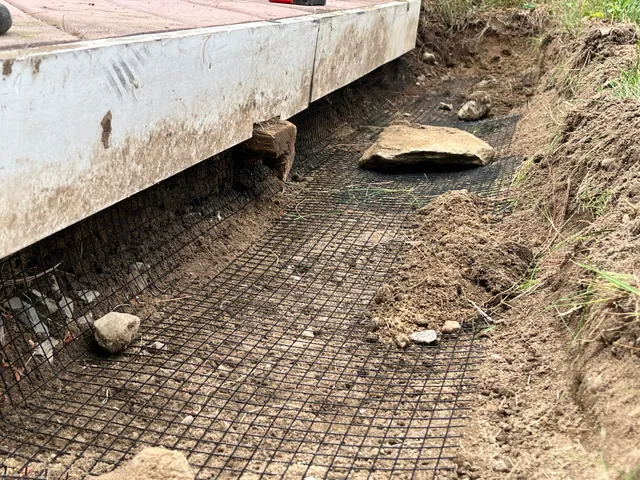
Mice move indoors in the fall across the whole band, and old houses give them plenty of ways in: gaps around pipes, sill plates on fieldstone foundations, holes where old wiring came through, and openings around the chimney. Bait alone treats the symptom. The lasting fix is exclusion, sealing the gaps.
Ask each company whether exclusion is part of the service or a separate charge, what materials they use to seal openings, and whether they will show you where the mice are getting in. On farmhouses in Hardwick or Royalston with attached barns and sheds, the job may need to cover outbuildings too. A company that only sets bait stations and leaves is offering a subscription, not a solution.
Ticks, mosquitoes and private wells
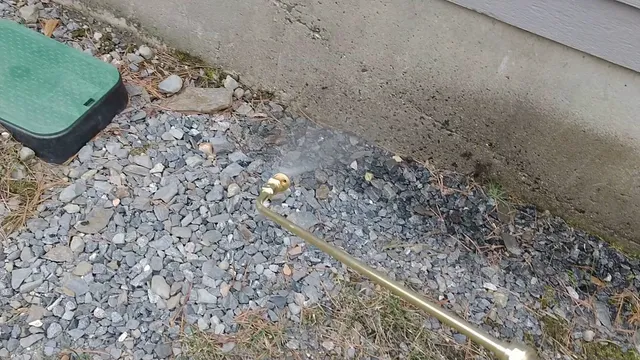
Ticks and mosquitoes drive a lot of summer calls on wooded lots in Princeton, Paxton, Sterling and Sutton. Yard spraying for them is commercial pesticide application and needs the same MDAR license as indoor work. Some pest control companies offer it; some landscapers hold the license and do it too.
Many of those yards also have a private well. Before any outdoor treatment, show the technician where the well is and where the water line runs to the house. Ask which products they plan to use, how far from the wellhead they will stay, and for the product labels, which carry the legal restrictions on use. If you keep bees, a vegetable garden or a pond, mention those too.
One-time, multi-visit or quarterly: how pest plans are sold
The calculator default for a typical treatment in Greater Worcester is about $130 to $330. You can pick your pest and home size in the local estimate. Companies sell three ways:
- One-time treatments for a single problem, sometimes with a short guarantee.
- Multi-visit programs for rodents or insects that need follow-up.
- Recurring service contracts, often quarterly, that bundle visits and re-treatments.
Ask what a guarantee actually promises, how long it lasts and whether it covers re-treatment at no charge. Before signing a yearly contract, ask how to cancel it. Pest control is usually not home improvement work, but if a job grows into exclusion construction or structural repairs worth more than $1,000 on an owner-occupied home, Massachusetts' home improvement contract rules apply to that part: a written contract and a deposit held to a third.
Children, pets and the hours after a treatment
Most of what goes wrong after a pest treatment is about timing and access, not the product. Before the technician starts, ask how long children and pets need to stay out of treated rooms, whether surfaces need to dry, and whether food, dishes and pet bowls should be put away. Ask where bait stations will be placed and whether they are tamper-resistant, which matters with a toddler or a dog who explores under the sink.
If anyone in the house has asthma or a chemical sensitivity, say so on the first call. Many companies can change products or methods, such as gels and baits in cracks instead of broad sprays, and a good technician will explain the options rather than using the same approach in every home. Keep the service ticket that lists what was applied, where and how much. It is your record if someone has a reaction later, and it tells the next company what has already been tried.
Wasps, ants and the warm-season calendar
From late spring through August, the calls shift to stinging insects under eaves, in porch ceilings and in the ground, and to ants coming into kitchens. Stacked three-decker porches give wasps a lot of sheltered corners. Ask whether a wasp or hornet job is priced per nest, whether the company will return if the nest is active again a week later, and whether they can reach a nest under a third-floor porch roof without a lift.
Five things to ask an exterminator on the phone
- What is the license number of the technician who will come?
- What product will you use, and can I see the label?
- How many visits does the price include, and what happens if the problem comes back?
- Do you seal entry points, or only treat?
- What do I, and my tenants, need to do before and after?