Wet basements are a fact of life in a lot of Greater Worcester. City houses built before the war often sit on old stone or brick foundations that were never meant to keep water out, only to hold the house up. Postwar capes in Leicester, Spencer and Auburn have block walls that crack and seep. Newer colonials in Upton and Northborough have poured walls but sometimes a sump that runs every spring. Hillside lots in Holden and Princeton send melt and rain downhill toward whatever sits below.
That variety is why waterproofing quotes for houses on the same street can differ so much. This guide covers how to compare them, what the law requires on paper, and two Worcester-specific things to deal with before you finish a basement.
Find out where the water comes from first
A good waterproofing contractor starts by asking how the water gets in, not by selling a system. The main paths are:
- Through the walls, at cracks, at mortar joints in old stone, or through porous block.
- At the joint between the floor slab and the wall, as groundwater rises in spring.
- Through the floor, where water pushes up through cracks in an old slab.
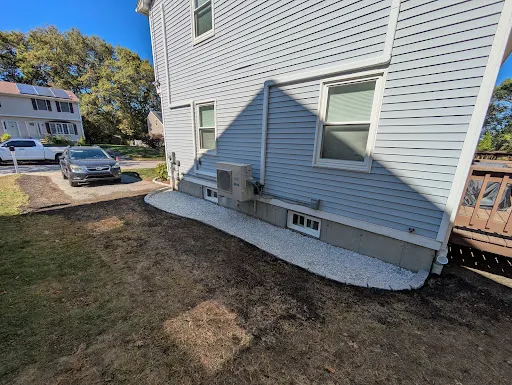
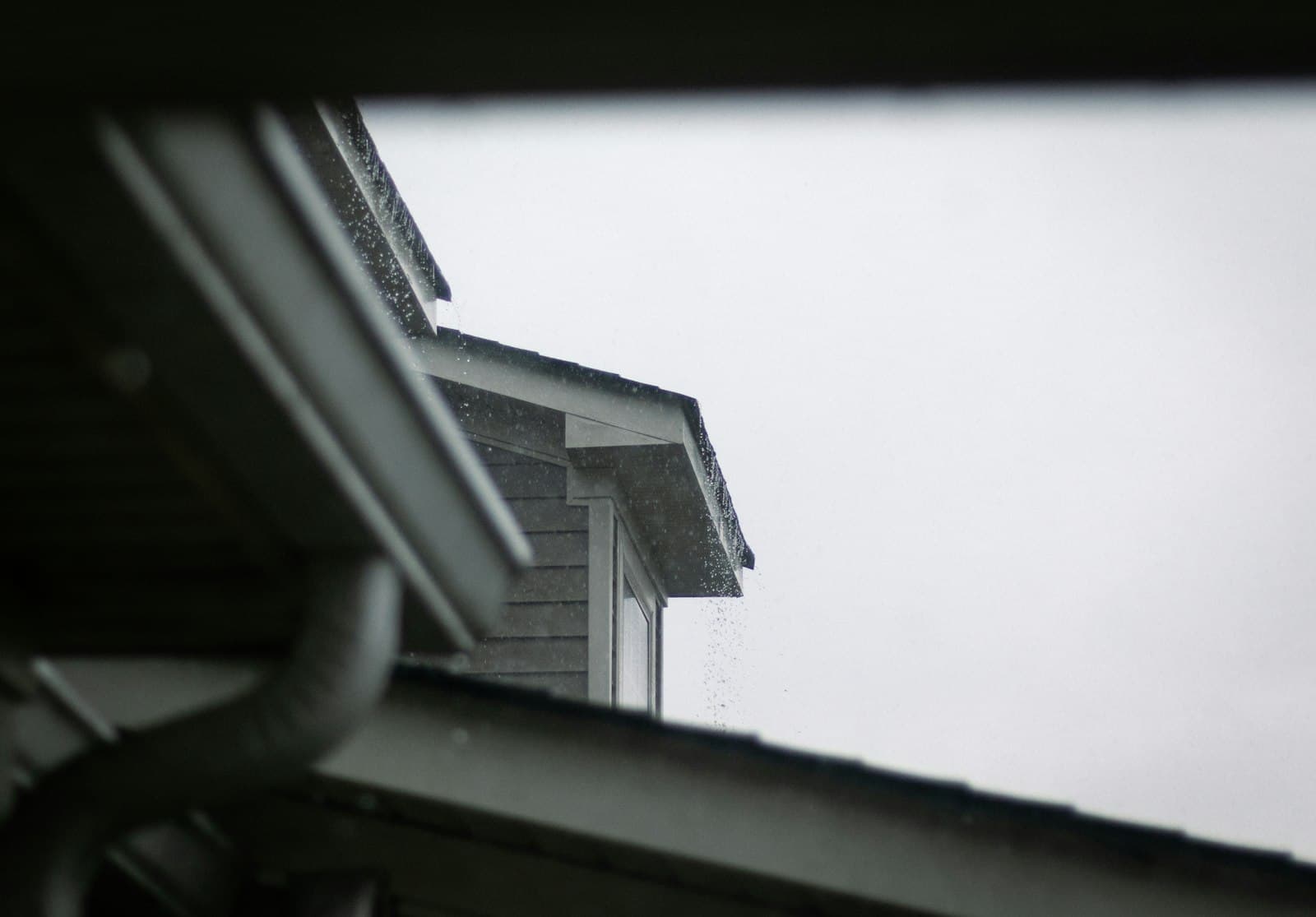
- From above, where gutters dump water beside the foundation or the yard slopes toward the house.
The last one is often the cheapest fix. Before you pay for an interior drain, make sure the gutters and downspouts carry water well away from the house and the soil slopes away from the walls. A contractor who mentions this is a good sign. One who goes straight to a full-perimeter system without looking outside is not.
Ask each contractor what they think the source is, why, and what they would do first. Write the answers down. Comparing those explanations side by side is often more useful than comparing prices.
Interior drains, exterior membranes and the old stone foundation
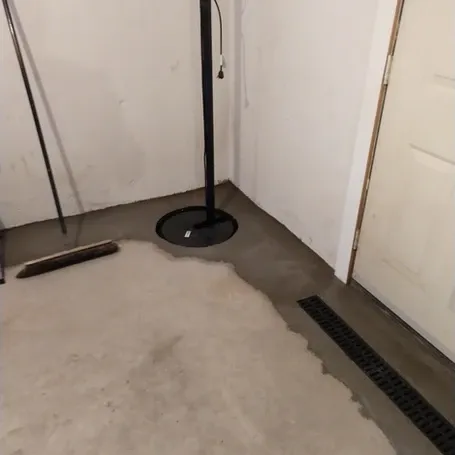
Interior systems collect water inside the wall, route it in a channel under the edge of the slab to a sump, and pump it out. They are the most common answer in finished neighborhoods because they need no digging outside. Exterior waterproofing means excavating along the foundation, sealing the outside of the wall and adding a drain at the footing. It costs more and disturbs landscaping, but it keeps water out of the wall itself.
Old fieldstone and brick foundations under the city's three-deckers and older farmhouses are a special case. They breathe, they move, and their mortar wears out. Ask whether the contractor has worked on stone foundations before and what they recommend for repointing versus sealing.
If exterior excavation is part of the job, the contractor must notify Dig Safe before digging. Massachusetts law, MGL c.82 §40A, sets that notice at 72 hours or more ahead, weekend days and holidays excluded. On a country lot with a well line or septic pipe near the foundation, show the crew where those are, because no utility will mark them.
Registration, supervisor and contract on a basement job
Keeping water out of the cellar of a one- to four-unit house you live in counts, legally, as improving that house. The company should be registered, which you can check on the state's Contractor Hub. When the job includes structural repair to the foundation that needs a building permit, a construction supervisor's license should be named on that permit; the state's CSL page explains when one applies.
For anything over $1,000, c.142A §2 demands a written agreement. On a waterproofing job, make sure it names the system and its brand, the linear feet of drain, the sump and pump model, any crack injections or wall repairs and where they are, and how the slab will be patched. No more than a third may be collected before work begins, special-order goods aside, and the final payment waits until the work is done to both sides' satisfaction.
Read the warranty carefully. Many waterproofing warranties cover the system, not the basement staying dry. Ask what exactly is guaranteed, for how many years, and whether a buyer inherits it.
Radon: test before you build a family room
Worcester County is in Zone 1 on the EPA radon map for Massachusetts, the top tier, where the predicted average indoor screening level is above 4 picocuries per liter. Radon is a soil gas, and the basement is where it enters. Sealing cracks and installing a sump can change how it moves, sometimes for the better and sometimes not.
If the reason you are drying out the basement is to finish it, test for radon first, and test again once the waterproofing is done. If mitigation is needed, it is far easier to run the vent pipe and fan before the walls and ceiling go up. Some waterproofing contractors also install radon systems; if yours does, ask how the sump lid will be sealed so the two systems do not work against each other.
City grants for mold and radon
Wet basements breed mold, and in old rental buildings that becomes a health problem for tenants. Worcester's housing programs overview describes a Healthy Homes program that pays up to $30,000 per unit for problems including mold, radon, asbestos and carbon monoxide and smoke detectors. The document is undated, so check with the city's Housing Development office whether it is accepting applications and whether your building qualifies before you hire anyone.
Linear feet, pumps and digging: comparing waterproofing bids
The Greater Worcester calculator default for basement waterproofing is about $7,300 to $14,400. To size your own basement, try the local waterproofing estimate. A single wall with a crack sits at the low end. A full interior perimeter drain with a sump and battery backup, or exterior excavation on a deep foundation, sits at the high end or above. Ask each bidder for the price per linear foot of drain, the cost of each crack repair, and the price of the pump and any backup, so you can compare like for like.
Three-decker cellars and shared basements
In a Worcester three-decker, the basement usually serves the whole building: three sets of meters, three water heaters, sometimes three heating systems and tenant storage in between. A waterproofing job there affects everyone. Before work starts, the contractor will need clear access to every wall, which can mean emptying storage areas that belong to tenants and moving equipment away from the foundation.
Ask how long each section of the basement will be torn up, whether the utilities along the walls will need to be moved, and who coordinates with a plumber or electrician if they do. If the building is a condo, the foundation is almost certainly common property, and the association, not one owner, should hire and sign the contract.
Keeping the pump running in a storm
A sump only works with power. Ice storms and nor'easters knock out electricity across the hill towns, sometimes for days, often at the same moment the ground is saturated. Ask about a battery backup pump or a water-powered backup if you are on municipal water, and about a high-water alarm that sounds before the floor gets wet. Test the pump each fall by pouring water into the pit until it switches on.