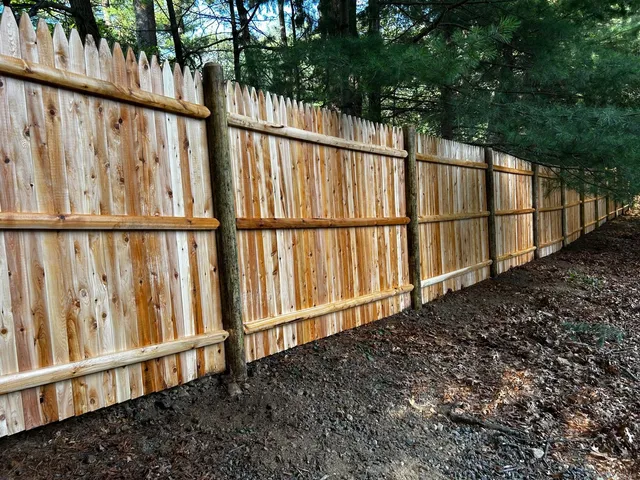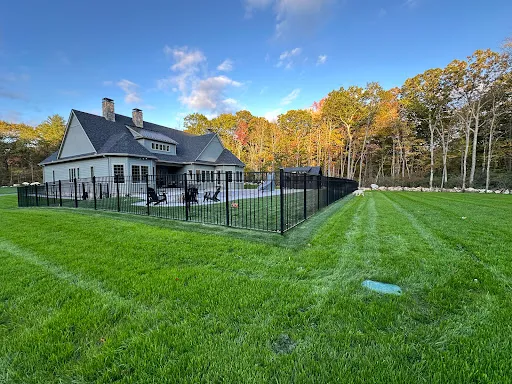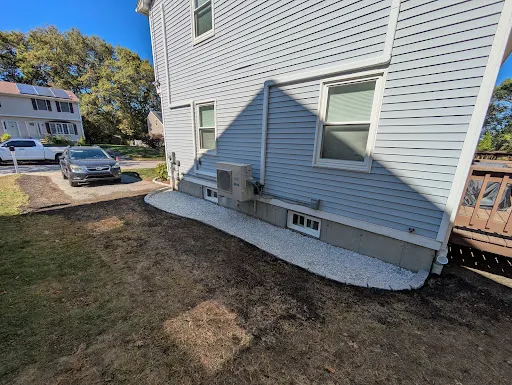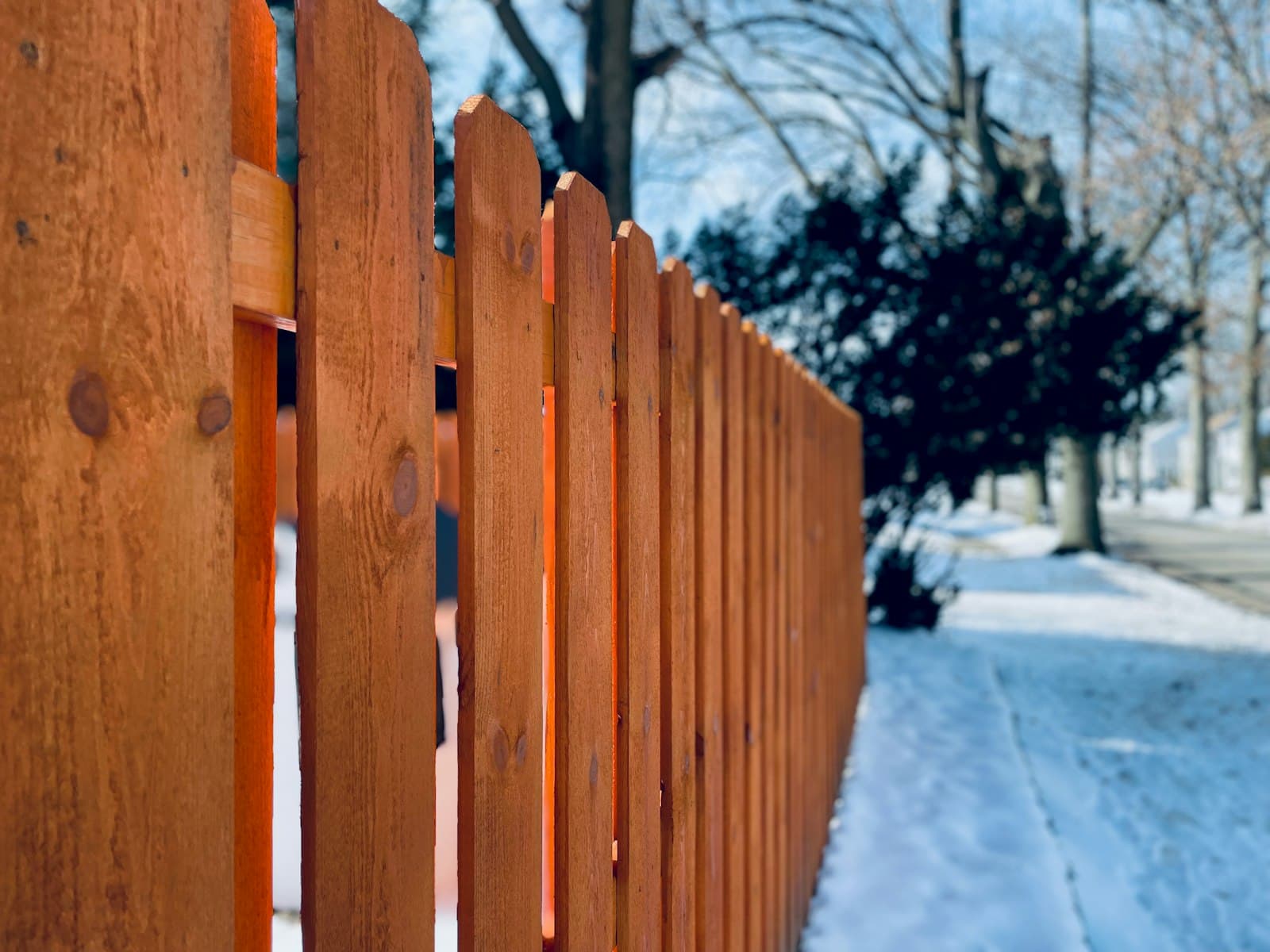
Fences in Greater Worcester range from a 40-foot run of chain link behind a city two-family to a quarter mile of split rail along a horse pasture in Hardwick. The lots get bigger and rockier as you leave the city, and the rules change at every town line. A fence that is fine in Leicester may need a different height in Auburn, and the ground under a back yard in Westminster holds a well line and a septic pipe that no utility will ever mark.
Why the height limit changes when you cross a town line
Massachusetts' building code treats fences lightly. Lower fences are exempt from a building permit, but the state's own documents describe the height cutoff in more than one way, and towns layer their own zoning on top: maximum heights in front yards, setbacks from the street, corner-lot sight lines and pool enclosure rules. That is why two neighbors on either side of the Shrewsbury and Grafton line can get different answers to the same question.
The practical rule is simple. Before you order materials, ask your town's building or zoning office:
- How tall can a fence be in the front, side and back yard?
- Does it need a permit at that height?
- Does it need to sit back from the property line or the sidewalk?
- Are there rules about which side faces out?
In the city, Worcester's Building & Zoning division handles both building permits and zoning, and it takes applications online. In Oxford, Mendon or Templeton, the town's building inspector and zoning officer are the people to ask. Get the answer in writing, or note who told you and when.
Post holes and the 72-hour rule
Every fence starts with holes, and every hole is excavation under state law. MGL c.82 §40A requires notice to the utility-locating system at least 72 hours before digging, not counting Saturdays, Sundays and legal holidays, and no more than 30 days before the work. That system is Dig Safe.
The state's Dig Safe guide explains the steps. Premark the fence line with white paint or stakes, then call 811 or 888-344-7233. The member utilities mark their gas, electric, water and communication lines with colored paint or flags. Near those marks, dig by hand. The service is free to homeowners and contractors alike.
Ask your fence contractor who makes the call. Usually it is the company, and the ticket number should be on hand before the auger comes off the truck. If a crew shows up to dig without one, stop the job.
What Dig Safe won't find in a country yard
In the city, most buried lines belong to utilities and get marked. In the outer towns, a lot of what is underground is private. Many homes in Sterling, Princeton, Rutland and Royalston have a private well, a water line from the well to the house, a Title 5 septic tank and leach field, and sometimes a buried wire to a garage or a pump. None of those are marked by Dig Safe.
Before the crew arrives, walk the fence line and mark what you know: the well cap, the septic tank cover, the direction the leach field runs. A septic plan is often on file with the town's Board of Health. A post through a leach-field pipe is an expensive mistake.
Rock, ledge and frost on hilly lots
The ground in much of the band is glacial: stones, boulders and in places ledge. Ask each bidder how they handle a hole that hits rock. Some price it per hole, some as an hourly charge, and some will move the post. Ask also how deep the posts go and whether they will be set in concrete or gravel. A fence that heaves after its first winter usually went in too shallow.
Does a fence company need a state registration?
Fences sit at the edge of Massachusetts' home improvement rules. The state publishes a table of the work that needs a Home Improvement Contractor registration, and fence installation is not treated like siding or roofing. Hiring a company that is registered anyway costs you nothing, and registration is what makes the state's Guaranty Fund available if a job goes wrong. Search the company on the Contractor Hub.
Whatever the registration status, ask for a certificate of liability insurance, and for a written contract that names the material, the height, the number of gates, the line and who handles the permit and Dig Safe. For residential contracting over $1,000, c.142A §2 sets out what the written agreement must include and limits the deposit to a third of the price.
Length, gates and rock: why fence bids spread so far
The calculator default for a typical installed fence in Greater Worcester is about $3,900 to $7,650. To see how your run compares, open the local fence estimate. The big swings come from:
- Length. Country lots in Barre or Spencer can mean several hundred feet.
- Material. Chain link, wood picket, wood privacy, vinyl and split rail each price differently.
- Gates. Each gate adds hardware and labor; a wide driveway gate adds more.
- Ground. Rock, slope and wet spots add time.
- Removal. Taking out an old fence and hauling it away is often extra.
Picking a material for a central Mass winter
Fences here live through freeze and thaw, road salt along the street side, and snow piled against them from the driveway. Each common material handles that differently, and it is worth asking a bidder to talk through the tradeoffs for your lot rather than just quoting the style in your photo.
- Pressure-treated or cedar wood looks right on an older house and can be repaired board by board, but it needs stain or paint every few years.
- Vinyl needs little upkeep and does not rot, though panels can crack if a plow or snowblower throws ice at them.
- Chain link is the cheapest per foot and lasts, which is why it is common behind city triple-deckers where a fence's job is mostly keeping a dog in.
- Split rail suits long rural runs in towns like Petersham or North Brookfield, where the goal is marking a line, not privacy.
Ask how gates will be hung and braced. A sagging gate is the most common complaint about a new fence after the first winter, and a contractor who explains how the gate post is set and how the hinge side is supported has usually installed a lot of them.
Scheduling around frozen ground
Fence work slows down in the coldest months, when frozen soil makes holes slow and concrete harder to cure. Many companies book up in spring for early summer. If you want a fence in place by a particular date, such as before a new puppy or a pool opening, ask for that date in the contract and plan to sign several weeks ahead.
Where the line goes
Fence contractors install where you tell them. If you are not sure where your boundary is, a survey is cheaper than a dispute. Many owners set the fence a short distance inside their line so they can maintain both sides. Talk to the neighbor before work starts, especially in the city, where lots are narrow and a fence may sit only inches from the next driveway.