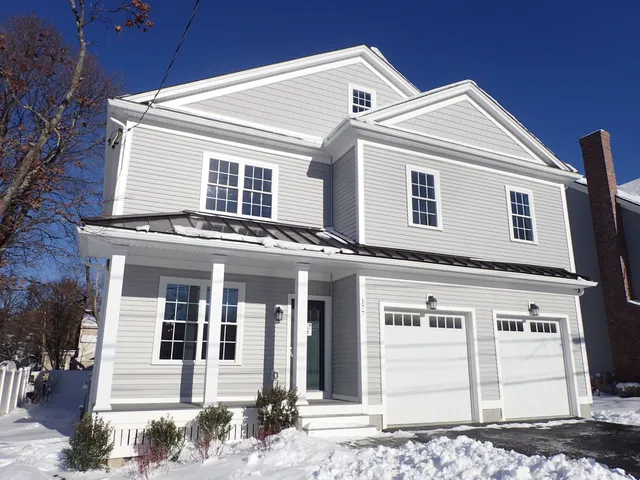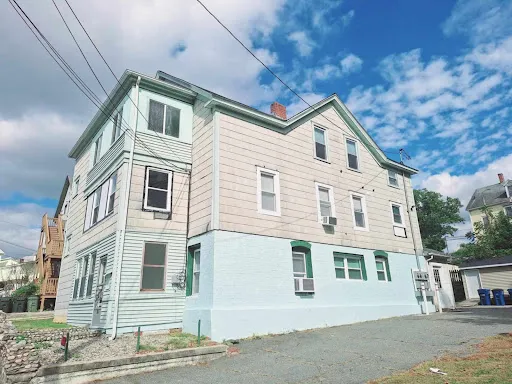
Buying a house in Greater Worcester can mean buying very different things. A three-decker on a city street is a 100-year-old, three-unit building with three of everything in the basement. A 1960s ranch in Auburn or Leicester is town water, town sewer and a straightforward roof. A farmhouse in Hubbardston or Royalston may have a well, a septic system, an oil tank, a woodstove and an attached barn. A good home inspector for one of those is not automatically the right one for another, and the extra tests worth ordering change from town to town.
Choosing a licensed inspector
Home inspection is a licensed occupation in Massachusetts; a state board within the Division of Occupational Licensure grants and polices the licenses. The license comes in two steps. An inspector starts with an associate license, which the state issues after approved training and an exam, as described on its associate license application page, and moves to a full home inspector license after supervised experience.
Look up any inspector on eLIPSE, the state's license search. Check that the license is active and whether it is an associate or a full license. When the name comes back as an associate, find out which full licensee oversees their work and whether that person signs off on your report.
Beyond the license, ask:
- How many inspections have you done on houses like this one: a triple-decker, a farmhouse, a condo?
- What does the standard inspection include, and what costs extra?
- Can I attend, and when will I get the written report?
- Do you carry errors and omissions insurance?
Pay attention to who suggests the inspector. Many buyers use one their agent recommends. That can work well, but you are the client, and it is reasonable to choose your own.
Radon: the test worth adding everywhere in the county
Worcester County is one of only three Massachusetts counties in Zone 1, the highest tier on the EPA's radon map for the state, alongside Middlesex and Essex. EPA's Zone 1 label means homes there are predicted to average more than 4 pCi/L on a screening test. The rest of central and eastern Massachusetts is in Zone 2.
That makes a radon test one of the most useful add-ons in this market, in the city and in every town. Many home inspectors offer it, usually with a continuous monitor left in the basement for at least two days. Ask how the test is placed, how the inspector checks that windows stayed closed, and how soon you will have results within your inspection period.
A high result does not have to end a deal. Radon mitigation is a common, well-understood repair, and a test result gives you a concrete number to discuss with the seller.
Septic and wells in the outer towns
The city of Worcester is on public sewer. Much of the band is not. Many homes in Sterling, Princeton, Westminster, Rutland, Charlton, Douglas and the north-county towns use a Title 5 septic system, and many use a private well.
Septic gets its own inspection under state rules. The state's septic guidance for property transfers sets the clock: an inspection done for a sale stays good for 24 months, stretching to 36 when the owner can prove the tank was pumped annually in the meantime. Snow and frozen ground can push it past the closing: the state allows a six-month delay in that case, as long as the buyer gets written notice from the seller. A failed system gives the owner up to two years to repair or upgrade it.
A Title 5 inspection is its own job, separate from the general home inspection, and its results go to the town's Board of Health. Ask to see the report early, and ask your inspector whether they will look at anything visible about the system, such as wet spots or odors over the leach field.
For a well, ask whether the inspector offers or can arrange water testing, and what it covers. A well's flow rate and water quality are not part of a standard home inspection unless you add them.
Three-deckers and multi-family buildings
A Worcester triple-decker is three homes stacked together, and the inspection should treat it that way. Expect the inspector to look at three kitchens and baths, three electrical services, separate heating systems or one shared one, stacked porches, a shared roof and basement, and egress from each unit. That takes longer and usually costs more than a single-family.
Porches deserve special attention. Ask the inspector to look closely at porch framing, ledgers, posts and guards on every floor, since replacing a three-story porch is a large expense.
Lead in pre-1978 homes
Most of the band's older housing predates 1978. Under the Massachusetts Lead Law, owners of pre-1978 homes where a child under six lives must have lead hazards removed or covered. A standard home inspection is not a lead inspection. If you are buying an older home and will have a young child there, or plan to rent units to families, ask about a separate lead inspection by a licensed lead inspector before the purchase.
Timing the inspection inside the offer
Most Massachusetts purchase offers give the buyer a short inspection period, and in a competitive spring market in Shrewsbury or Westborough that window can be only days long. Line up an inspector before you make an offer, not after. Ask how far out they are booking, whether they can fit radon and water tests into the same visit, and how quickly the written report arrives.
If the house is on septic, ask the listing agent early whether the seller's Title 5 report is done and what it says. If it is not done yet, find out when it is scheduled. A failed septic system is one of the most expensive surprises a buyer in the outer towns can face, and you want that answer while you can still renegotiate or walk away.
On a three-decker, allow extra time for access. Tenants in occupied units need notice before the inspector walks through their apartments, and the seller's side usually arranges it.
Units, age and add-on tests: what sets an inspection fee
The calculator default for a typical home inspection in Greater Worcester is about $510 to $720. To price your own house and add-ons, use the local inspection estimate. Size, age, the number of units and the tests you add drive the price. A sewer line camera, radon, water testing and a separate lead inspection each add cost but can save far more.
Oil tanks and heating systems
Outside the city, oil heat is common, so many houses have an oil tank in the basement or, in older properties, buried in the yard. Ask the inspector to note the tank's location, its age if marked, and any signs of leaks. Ask too about the heating system's age and service records. In a house you plan to convert to a heat pump, that information helps you plan the next few years of spending.