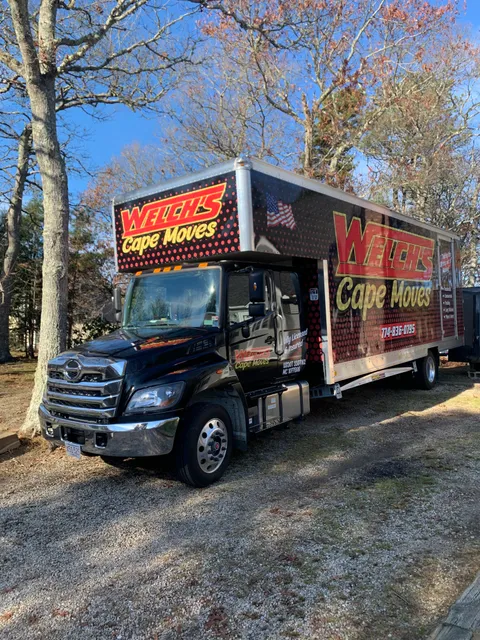
Moving on, off or around Cape Cod has one geographic fact built in: the Cape Cod Canal. The Sagamore and Bourne bridges, both about 91 years old, are the only road links between the fifteen Cape towns and the rest of Massachusetts, according to Boston.com's report on the Sagamore replacement. Every moving truck arriving from off-Cape crosses one of them. Beyond the bridges, Cape moves follow the same state rules as anywhere in Massachusetts, and those rules are stricter than many people expect.
Does a Massachusetts mover need a DPU license?
For a move that begins and ends inside the state, such as Falmouth to Dennis, or Orleans to a town on the far side of the canal, yes. The Department of Public Utilities licenses household goods movers through its Transportation Oversight Division, and its list of regulated movers shows each company with its filed tariff. Before you book, find the company on that list. A mover that is not there is not licensed for in-state household moves.
The state's consumer guide to moving within Massachusetts lays out the basics: the mover must be licensed by the DPU, must file its rates, and is responsible by default for 60 cents per pound per article. That last figure surprises people. A 50-pound television destroyed in transit is worth $30 under base liability. If your belongings are worth more, ask about added valuation coverage, and check what your homeowner's insurance covers.
Can a mover charge more than its quoted tariff?
No, and not less either. DPU-regulated movers may charge neither more nor less than the rates in their filed tariff. That changes how you should read a quote:
- The hourly rate, crew size, truck charge and any minimum should match the tariff on file.
- Many tariffs have different rates by season; one company on the DPU list charges more from May through August than from September through April. Ask which rate applies to your date.
- A "binding" or "not to exceed" price must still come from the tariff's terms.
If a quote looks too good, compare it with the company's tariff on the DPU page. A mover that undercuts its own filed rate is breaking the rules, and that is a warning sign about everything else.
Who regulates a move off-Cape to another state?
The federal government. A move from Chatham to Connecticut, or from Bourne to Florida, is interstate, and the mover needs a USDOT number and operating authority from the federal motor carrier regulator, the FMCSA. Its Protect Your Move site lets you look a company up, explains your rights, and covers the rules for written estimates. The DPU's rules do not cover these moves.
Many Cape companies do both kinds of move. Ask which authority covers yours, and check it.
How do the bridges affect moving day?
There is no way around them. Plan for the crossing in your timing, and consider:
- Day of week. Ask the mover which days they find easiest to cross and to book; a midweek date often has more openings.
- Time of day. Ask when the crew plans to cross with a loaded truck and what happens to the schedule if the bridge is slow.
- Construction. Boston.com reports that work on the new Sagamore Bridge starts in winter 2027, with the new eastbound span due in 2033 and two lanes each way kept open throughout. Ask your mover how they plan around lane changes and work zones as construction moves along.
Ask how the mover bills travel time. Under an hourly tariff, ask whether the clock starts at the company's yard or at your door. A Hyannis-based company moving you from Provincetown to Sandwich is on the clock for the drive.
What else matters for a Cape move?
- Access. Narrow lanes in Provincetown, long sandy driveways in Truro or Wellfleet and steep steps to bluff houses in Falmouth can mean a smaller shuttle truck or extra crew. Ask the mover to see the house or a video before quoting.
- Seasonal timing. Second-home owners often move furniture in at the start of summer and out after Labor Day. Book well ahead for those weeks.
- Rental turnover days. If you are moving into a summer rental, check move-in times with the manager.
How do you move furniture into or out of a second home?
A large share of Cape moves are partial: furnishing a newly bought summer house, emptying a family cottage after a sale, or shifting furniture between a primary home off-Cape and a seasonal one. These moves have their own pitfalls.
- Nobody to meet the truck. If you cannot be at the house, name the person who will let the crew in, show them where things go and sign the paperwork. Give the mover their number.
- Furniture bought from several stores. Some movers will collect pieces from showrooms or a storage unit. Ask whether that is billed as extra stops under the tariff.
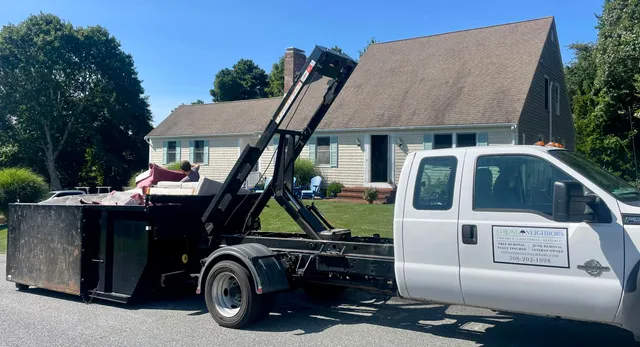
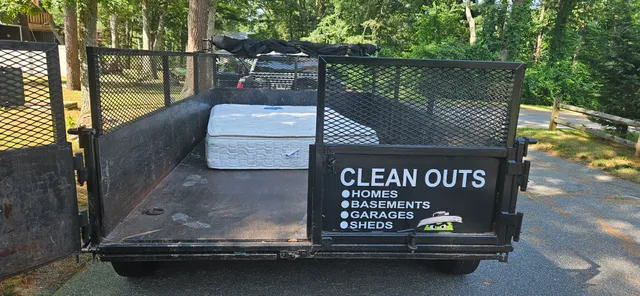
- Clearing a house. Emptying a cottage often means deciding what goes to family, what is donated and what is hauled away. Movers transport; junk removal and donation pickups are usually separate services.
- Inventory. For a move into storage or a house you will not see for weeks, ask the crew to tag and list each item and photograph anything of value before loading. That list is what you will need if something is missing.
- Insurance. Base liability at 60 cents per pound rarely covers antiques or family pieces. Ask what added valuation costs, and whether your homeowner's policy covers goods in transit.
If you are emptying a house in Harwich or Brewster before a sale, book the move after the home inspection and before the final walk-through, so nothing a buyer was promised leaves on the truck.
What does a two-bedroom Cape move cost off-peak, and what adds to it?
An off-peak local move of a two-bedroom home comes to about $920 to $1,750 on the market's calculator; the Cape Cod moving cost page shows how size, season and distance change it. Summer moves, pianos, long carries, stairs and packing services add to it. Interstate moves are priced by weight and distance, not by the local hourly tariff.
Before you sign, read the bill of lading and the estimate side by side. The estimate should show the tariff's hourly rate, crew size, truck charge and any minimum, along with the extra charges you can expect: stairs, long carries, packing materials, a piano. The bill of lading is the contract you sign on moving day. If anything on it differs from what you were quoted, ask before the crew starts loading.
Questions to ask every mover
- Are you on the DPU's list, and which tariff rate applies to my date?
- For an out-of-state move, what is your USDOT number?
- How do you bill travel time, and from where?
- What liability coverage is included, and what does added coverage cost?
- Have you moved into or out of houses like mine on the Outer Cape?