Moves in New Hampshire run on a calendar set by the colleges, the lakes and the weather. Students leave Durham and Hanover in a rush in May and come back in late August. Seacoast summer rentals turn over in June. Movers book up when school ends and families want to be settled before September. And a January move to a house up a steep driveway in Lebanon or Plymouth can depend on whether the plow came. Choosing a mover is about price and timing, and about two credentials that most people never check.
The Department of Safety certificate for in-state moves
New Hampshire regulates movers who carry household goods within the state. Under RSA 359-T:2, a household-goods carrier may not transport household goods between points in New Hampshire without a certificate issued by the Department of Safety. That chapter replaced the old Public Utilities Commission rules, which were repealed effective January 1, 2023, so a mover that still cites a "PUC number" is quoting a system that no longer exists.
The state does not appear to publish an online lookup for the certificate. Ask the mover for its certificate number and keep it with your estimate. A company that cannot produce one for a move from Nashua to Concord, or from Salem to Laconia, is not authorized to do that work.
USDOT numbers and moves across the state line
Many New Hampshire moves cross a border. A move from Salem to Massachusetts, from Lebanon across the river to Vermont, or from Portsmouth to Maine is an interstate move, and the mover needs a USDOT number from the Federal Motor Carrier Safety Administration. The FMCSA's Protect Your Move program explains how to check a mover's registration and complaint history and what rights you have on an interstate move.
On an interstate move, ask:
- What is your USDOT number, and are you the carrier or a broker who will hand the job to someone else?
- Is the estimate binding, not-to-exceed or non-binding?
- What valuation coverage is included, and what does full-value protection cost?
Brokers are legal, but you should know who will actually show up with the truck.
May and August in Durham and Hanover
The University of New Hampshire in Durham has more than 11,000 undergraduates, and Dartmouth in Hanover has more than 4,000. Keene State and Plymouth State add more. When those students move out in May and back in late August, small moves crowd the calendar in Durham, Dover, Lee, Madbury, Hanover, Lebanon, Keene and Plymouth, and summer rental turnovers on the Seacoast add to the rush.
If you are moving a family in those weeks, book early, a month or more ahead, and expect fewer choices. If you are moving a student, many movers offer small-move or storage packages; ask what the minimum charge is, because a few boxes and a bed can cost close to a full half-day.
Snow, stairs and long driveways
New Hampshire adds its own complications to moving day:
- Winter. Snow and ice on driveways, steps and walks slow the crew and make carrying risky. Ask what the mover expects you to clear, and what happens if a storm hits on moving day.
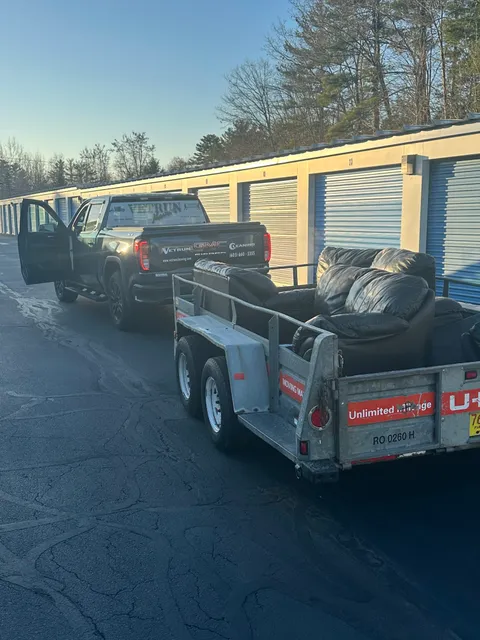
- Long or steep driveways. A full-size truck may not make it up a rural driveway in Weare or Gilmanton. The mover may need a smaller shuttle truck, which adds time and cost.
- Stairs. Triple-deckers and two-families in Manchester and Nashua mean narrow stairs and third-floor walk-ups. Tell the mover, and expect a stair charge.
- Camps and islands. Moving furniture to a lake camp reached by a dirt road, or by boat, is a specialty job. Ask whether the mover has done it.
The best way to avoid surprises is an in-home or video survey of what you are moving, with the access problems shown.
Getting an estimate that holds on moving day
Moving complaints usually come down to a price that changed. A low phone quote that doubles once the truck is loaded, or a crew that holds goods until you pay more, are patterns regulators warn about.
Get the estimate in writing after the mover has seen your belongings. For a local hourly move, the estimate should show crew size, hourly rate, travel time, the estimated hours and any extra charges for stairs, packing or heavy items. For an interstate move, ask for a binding or not-to-exceed estimate. Pay by card rather than cash where you can, and never sign a blank or incomplete bill of lading.
If an in-state mover misleads you, the Attorney General's Consumer Protection Bureau takes complaints; its consumer alert lists the hotline, 1-888-468-4454.
Packing, crating and the items crews will not carry
Packing is where a moving bill grows fastest. Full packing by the crew can add a day or more to a two-bedroom move, and boxes and materials are billed on top. Partial packing, where the crew packs only the kitchen, the artwork and the fragile pieces, is a common middle ground. Ask for each option priced separately.
Ask too what the company will not carry. Most movers refuse propane cylinders, gasoline, oil, paint, cleaning chemicals, ammunition and plants, and many will not move a gun safe or a pool table without a specialty crew. In New Hampshire, where many households keep propane for a grill or a generator and gasoline for a snowblower, plan to empty, dispose of or move those yourself before the truck arrives. Drain gasoline from lawn equipment and snowblowers; a crew may leave a machine behind if it smells of fuel.
Checking the company behind the phone number
Moving scams often start online, with a professional-looking website and a phone number that leads to a broker or an operator with no trucks of its own. Before you book, look for a physical address and a local yard you could drive past, check that the name on the estimate matches the name on the certificate or USDOT registration, and read complaints rather than star ratings alone. Ask whether the crew are the company's own employees. A mover who asks for a large cash deposit weeks ahead, or will not put the estimate in writing, is a reason to keep looking.
Pricing a local two-bedroom move
A local two-bedroom move outside peak season runs about $790 to $1,500 in the New Hampshire moving cost estimate. A studio costs less; a four-bedroom house with a full basement and garage costs several times more. Peak dates, packing, stairs and a piano add to any move.
Distance from the mover's yard matters more in rural parts of the state. A crew driving from Concord to Berlin, or from Keene to Pittsburg, bills for the drive one way or another. Ask whether travel is hourly or a flat fee, and compare total estimates rather than hourly rates alone.
Ask about insurance and valuation, too. Basic coverage on many moves pays only a small amount per pound, which barely covers a broken television. If you own valuable furniture, ask what fuller coverage costs and what it excludes.