Moving in Maine is shaped by distance and weather more than by traffic. A move inside Greater Portland, from South Portland to Westbrook, is a short day. A move from Biddeford to Bangor is a long one. A move from Portland to Presque Isle or Fort Kent is practically a long-distance haul without crossing a state line. Add a February nor'easter or a summer weekend when every college student in Brunswick and Orono is moving, and the right mover is the one with a truck and a crew on your date.
Is your move interstate, and what does a USDOT number tell you?
If your belongings cross a state line, the mover is in federal territory. A household-goods mover working interstate should hold a USDOT number and federal operating authority, and the Federal Motor Carrier Safety Administration's Protect Your Move pages are where consumers look a company up and read about their rights. A move from Kittery to Portsmouth, New Hampshire is short, but it's still interstate.
Before you book any interstate mover:
- Ask for the USDOT number and check it yourself.
- Make sure the name on the estimate matches the name on the registration.
- Find out whether the company will move your goods itself or broker the job to another carrier.
- Read whatever consumer booklet the mover is required to give you, and keep it.
A broker is not a mover. Plenty of online "moving companies" sell a job and pass it to whichever carrier will take it. That isn't automatically bad, but you should know who will actually show up at your door.
How does distance inside Maine change a quote?
A lot. Maine is a long state: by road, Kittery to Fort Kent takes about five hours. Most local movers work within an hour or so of home, and a move beyond that may be priced by the hour including both directions of the drive, or by weight and distance like a long move.
For an in-state move, ask:
- Is the quote hourly, and does it count travel from your base to my house and back?
- Is there a fixed price available for this distance?
- If the drive runs longer than planned, because of weather or a road closure, who pays for the extra hours?
- Will the crew need to stay overnight, and who covers that?
A mover based in Bangor may be the better choice for a move to Caribou than one in Portland, even if the move starts in Portland, because the truck isn't driving back empty for five hours. Ask movers at both ends.
When do college towns crowd the calendar?
Maine's colleges and universities produce predictable rushes. Bowdoin in Brunswick, Bates in Lewiston, Colby in Waterville, the University of Maine in Orono, and the University of Southern Maine in Portland and Gorham all have late-summer move-ins and late-spring move-outs. Apartment leases turn over around the same weeks.
If you're moving in one of those towns near the start or end of a semester, book early, ask the mover for a firm arrival window, and check whether your street or building has restrictions on trucks those weekends. If you can, pick a midweek date.
What does a winter move need that a summer one doesn't?
Snow and ice are the main risk, for your belongings and for the crew. Winter storms are frequent across the state; the National Weather Service office in Gray issues the forecasts for most of the market, and a good mover watches them closely.
Before a winter move:
- Clear and sand every walkway, the steps and the driveway at both ends.
- Arrange truck parking. A long, unplowed or steep driveway in Farmington or Rumford may mean a shuttle truck or a long carry.
- Protect floors from snow and grit, or ask the mover whether they bring floor runners.
- Agree on a backup date, and on what happens to the deposit if a storm closes the roads.
Winter moves can be cheaper and easier to schedule, which makes them worth considering if your dates are flexible.
What extra logistics do islands and camps need?
Moves to island towns such as Chebeague Island, Long Island or Vinalhaven, or to a lake camp at the end of a dirt road near Rangeley or Greenville, need planning that city moves don't. Ask:
- How will goods get to the island? Does the mover arrange the boat, or do you?
- Can the truck reach the camp, or will items be shuttled in a smaller vehicle?
- Is the road posted for weight limits in spring mud season?
- Is there an extra charge for carrying items more than a set distance from the truck?
Get each of these in the written estimate.
What should you settle at the house you are leaving?
A Maine house has more to hand over than keys. Before moving day, and especially before a move out of a house that will sit empty through a winter, make a short list:
- Heating fuel. Arrange a final oil, kerosene or propane delivery or a tank reading, so you and the buyer or landlord agree on what's left. Don't let the tank run dry in an empty house in January.
- Electricity. Schedule the account transfer with the utility, Central Maine Power across much of the south and center, Versant Power around Bangor, Downeast and Aroostook, for the right day, so the heat keeps running until the next owner takes over.
- Water. At a vacant house on a well, decide whether the system stays on with the heat or gets drained. A plumber can winterize a house that will sit empty and cold.
- Movers' access. Tell the mover about tight stairs, low beams in an old farmhouse ell, and any furniture that came in before a wall or door was changed and may not fit back out.
Walk the empty house with the crew before they leave, so you can check for anything forgotten in the attic, the barn or the basement.
How should you read the estimate and the coverage?
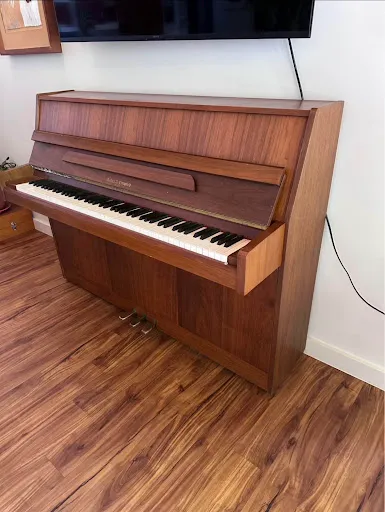
The Maine calculator default for a typical local move is about $870 to $1,650; the Maine moving cost estimate shows what that assumes. Size of the home, stairs, packing and specialty items such as pianos and safes push the number up.
Ask whether the price is fixed or an estimate that can rise, what triggers extra charges, and how payment is due. Be careful with any mover asking for a large deposit before the move, especially one found online.
Ask too what valuation or coverage the mover provides, and what it pays if something is broken. Ask whether the basic level pays by an item's weight or by its value; the difference is large for a light but expensive piece. If you're moving valuable furniture or art, ask about full-value protection or check your homeowner's policy.
Note that Maine's home construction contract law, explained on the Attorney General's page, covers building and repair work, not moving, so its deposit cap doesn't apply here. Your protection is the written estimate, the mover's registration, and the coverage you choose.