The handyman is the trade most homeowners in Western Massachusetts call first and know least about. There is no state "handyman license," so the same word covers a semi-retired carpenter in Dalton who does careful trim repairs, a two-person crew in East Longmeadow that does everything from gutters to grab bars, and someone with a truck who will try anything. Knowing where Massachusetts law draws the lines helps you pick the right one.
Which handyman jobs need a state registration
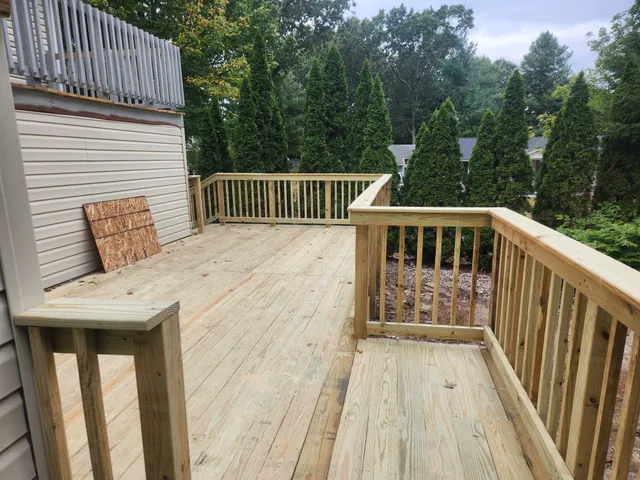
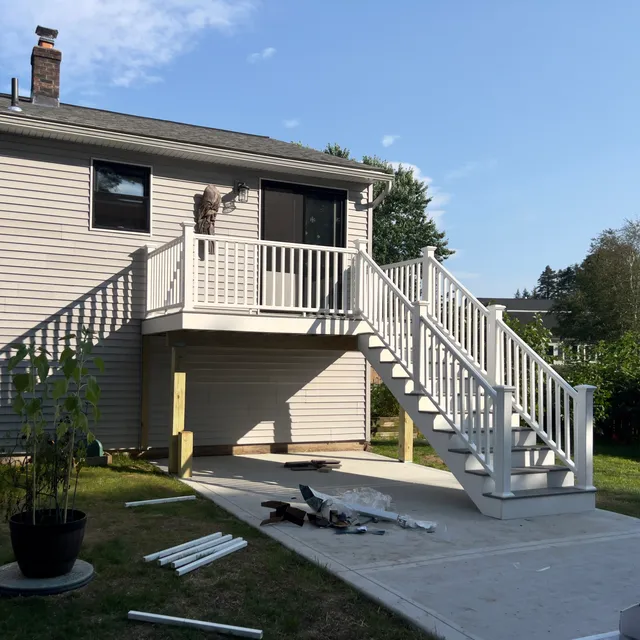
Massachusetts regulates home improvement work through the Home Improvement Contractor registration. Under chapter 142A, it applies to residential contracting on an existing building with one to four units where the owner lives. Replacing a door, rebuilding steps, installing a window or repairing siding all count. A handyman doing that kind of work on your home should be registered, and you can confirm it on the Contractor Hub.
Plenty of handyman work falls outside the registration. The state's HIC homeowner resources list interior painting, wall and floor coverings, fencing, landscaping and a few others as not needing it. A handyman who only paints rooms, lays a vinyl floor and fixes fence pickets may not be registered, and that can be legal.
The registration matters for your protection more than for the handyman's paperwork. Only work by a registered contractor can lead to the state's arbitration program or a Guaranty Fund payout if things go wrong. For a $300 job that may not matter. For a $4,000 porch repair, it does.
Where a handyman has to stop: plumbing, wiring and gas
The firmest line in Massachusetts is around the licensed trades. A handyman without a state plumber's, gas fitter's or electrician's license cannot legally:
- Add or move an outlet, switch or light fixture circuit.
- Replace an electrical panel or breaker.
- Replace a water heater, run new supply or drain lines, or set a new toilet on a new flange.
- Connect, move or cap any gas or propane line.
A handyman who offers any of those is offering work the state reserves to licensees, done without the permit and inspection that would catch a mistake. If the job on your list includes one, ask whether the handyman will bring in a licensed tradesperson and who pulls the permit. You can check any license on eLIPSE.
This line protects you as much as the trade. An outlet added without a permit can surface years later, when a buyer's inspector opens the box.
Winter checks on a Becket or Hancock vacation house
The Berkshire hills hold more than 8,000 seasonal homes, and many sit empty from the end of foliage season until ski weekends or spring. In Becket, Otis, Hancock near Jiminy Peak, Peru and Washington, a handyman's winter work is often less about repairs and more about watching the house.
If you hire someone to check a vacation home, agree on the visit in writing:
- Frequency. Weekly, and after every major storm or deep cold snap.
- The walk-through. Thermostat reading, heat running, no water on floors, no ice on the inside of windows, doors and windows closed, no sign of mice.
- The outside. Roof snow, ice at the eaves, a plowed driveway so the oil or propane truck can get in, tank gauge reading.
- Reporting. Photos and a short note after each visit.
- The emergency plan. Who they call if the heat is off, and whether they are authorized to call a plumber or heating company on your account.
Ask whether the handyman carries liability insurance, holds a key securely and can reach the house in bad weather. A checker who lives 45 minutes away may not come on the worst night.
Getting a house ready to sell, and what the buyer's inspector will find
Before a sale, owners in Pittsfield, Lanesborough, Ludlow or Palmer often hire a handyman to work through a list: sticky doors, loose railings, cracked tiles, missing outlet covers, caulking. That work is worth doing. What it should not do is hide a bigger problem. A buyer's inspector will notice fresh paint over a ceiling stain, and a patch over a structural crack can turn a negotiation into a lost sale.
If your house is on septic, the sale also needs a Title 5 inspection, generally within the two years before transfer, as the state's septic guide for buyers and sellers explains. A handyman cannot do that, but can tidy the access to the tank lid so the inspector is not digging through a garden.
Grab bars, railings and staying in an old house longer
Many handyman calls in the region come from owners who want to stay in a house they have lived in for decades: a grab bar by the tub, a second railing on the cellar stairs, brighter lights on the porch steps, a lever handle in place of a knob. The work is simple, but it has to hold a person's weight, and in older houses that is not a given.
When you hire for it, ask:
- What will the bar be anchored to? In plaster-and-lath walls or old tile, the handyman should find framing or use anchors rated for the load, not plastic plugs.
- Is the stair rail continuous? A rail that ends a step early is where people fall.
- Do any of these need the electrician? New exterior lights or a switched outlet are licensed work.
- Will a ramp or a new step need a permit? Changes to stairs and exterior steps often do, and a registered contractor may be the better choice.
A handyman who has done this work before will bring a stud finder, longer screws and a level, and test each bar by pulling on it before leaving.
Small jobs, long drives: minimums and trip charges
Western Massachusetts handymen cover big territories. A Ware or Palmer handyman may work east to the Quabbin and west to Ludlow. A Pittsfield handyman may drive to Cheshire, Hinsdale and Lenox in one day. That travel shows up as:
- A minimum charge, often one or two hours, even for a 15-minute job.
- A trip charge for addresses outside the handyman's usual area.
- Material runs billed as time if parts must be bought mid-job.
Save up a list. A half-day visit that fixes six things is far better value than six visits.
What a $200–$780 visit should cover
The Western Massachusetts calculator puts a typical handyman visit at about $200 to $780, and the handyman cost estimate for this market lets you set the hours. Before the visit, send the list with photos, ask for the hourly rate, minimum and any travel charge in writing, and agree on who buys materials. A handyman who prices the list from photos and arrives with the right parts saves you a second trip.