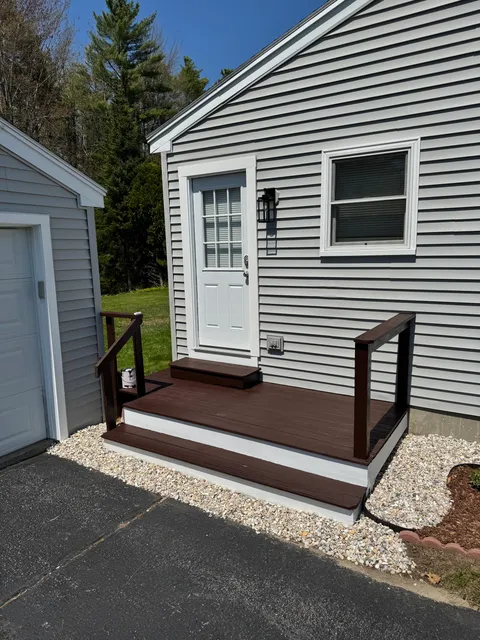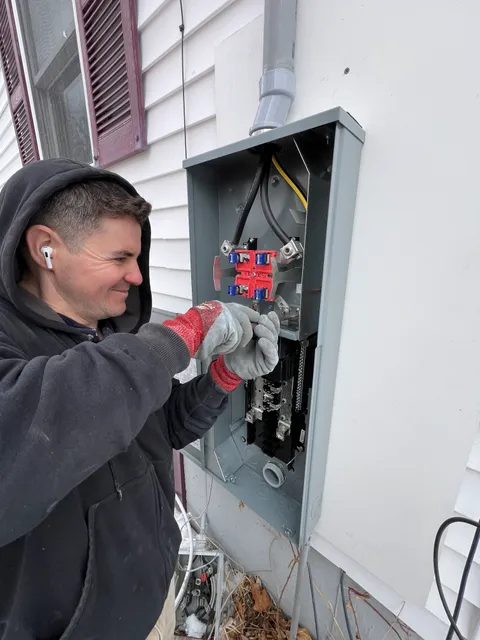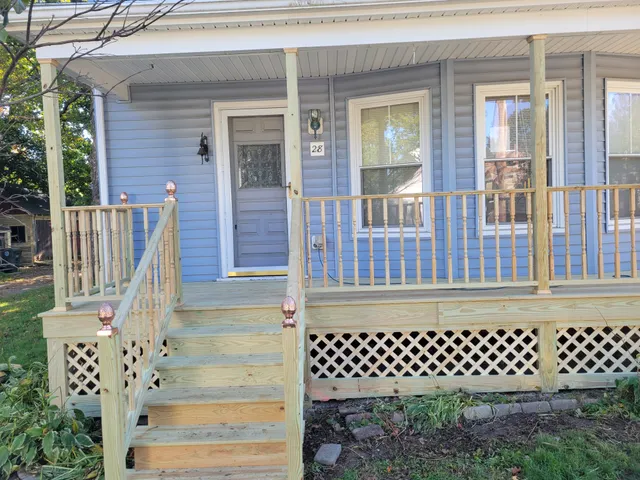
A good handyman is one of the most useful people a Maine homeowner can know. The list is familiar: a sticking storm door, a loose stair rail, a rotted section of porch decking, weatherstripping before the first cold snap, a dripping faucet, a ceiling fan that wobbles. In Westbrook or Brewer you might find several to choose from. In Calais or Caribou, you might find one, and their calendar fills by October.
Where does a handyman's work stop and a licensed trade's begin?
Maine has no handyman license, and the Attorney General's guide notes that building trades in general go unlicensed here. Two exceptions shape what a handyman can take on: plumbing and electrical. Both are licensed in Maine, and the licenses are personal, held by a named master, journeyman or limited electrician, or a master or journeyman plumber.
A rough working line:
- Fine for a handyman: replacing a faucet cartridge, a toilet flapper or a showerhead; swapping a light fixture or a switch on an existing box; patching drywall; hanging doors; small carpentry; caulking and weatherstripping.
- Needs a licensed person: adding an outlet or a circuit, moving a light, wiring a new appliance, replacing a water heater, moving a sink or toilet, anything in the electrical panel, and anything that needs a plumbing permit from the town's inspector.
The cases in between are where you should ask. If a handyman offers to "run a new line" for a garage outlet or "move the sink a few feet," ask whose license that will be done under, and look the name up on the state's ALMS search. Many handymen keep a licensed electrician and plumber they call in, which is the right answer.
When does a list of small jobs need a real contract?
Maine's contract law sets a dollar trigger. A home construction or repair contract worth more than $3,000 in labor or materials must be written down and signed by both parties, and the opening payment may not exceed one-third of the price (10 M.R.S. §1487). Most single handyman visits are far below that.
Lists grow, though. A "few things before we list the house" in Old Orchard Beach or Norway can turn into a porch rebuild, new interior doors, a bathroom refresh and trim painting, all billed by the hour over a month. Once the expected total heads past $3,000, ask for a contract in the Act's form, with:
- the tasks, listed
- either a total price or an hourly rate with an estimate of hours and materials
- an estimated start and finish
- the payment schedule, with the first payment held to the one-third limit
Below $3,000, get the tasks and the price in an email or text anyway. It settles most disagreements before they start.
Which hourly rate is actually cheaper?
The Maine calculator default for a typical handyman job is about $210 to $820; the Maine handyman cost estimate explains the assumptions. Hourly rates vary widely, and they don't tell you the total.
A handyman with a fully stocked truck who fixes three things in one visit is often cheaper than a lower rate that needs two trips to the hardware store. Ask:
- Is there a minimum charge or a trip charge?
- Do you bill drive time? For a camp in the woods north of Fairfield, travel can be a large share of the bill.
- Do you mark up materials, or can I buy them?
- Are photos of the problem enough for a rough estimate?
Group jobs into one visit. Handymen in Paris, Lewiston and Waterville often prefer a half-day or full-day booking to scattered one-hour calls, and price accordingly.
Can a handyman's weatherization work earn an Efficiency Maine rebate?
Only if the handyman is a Registered Vendor. Efficiency Maine's insulation rebates include payments for sealing attic air leaks, ranging from $150 to $300 depending on household income, and larger rebates for insulating attics, walls and basements, capped at $8,600 over the life of a home. Only contractors enrolled with the program qualify the work.
Air sealing is worth doing either way. Efficiency Maine's air sealing page explains that leaks in the attic floor let warm air escape, drive up heating bills and contribute to ice dams. A handyman can seal around a basement sill, weatherstrip doors and caulk window trim. For attic work you hope to have rebated, check the vendor list first.
What does a fall weatherization visit look like?
In Maine, the most valuable handyman visit of the year often comes in late September or October, before the heating season starts. A useful checklist to book:
- replace worn weatherstripping and door sweeps on exterior doors
- caulk gaps around window trim and where siding meets the foundation
- fit and seal storm windows, and repair any with broken glass or failed glazing
- install foam gaskets behind outlet and switch covers on exterior walls
- insulate exposed water pipes in a crawl space or an unheated porch
- check that the dryer vent flap closes and the bathroom fan actually vents outside
- clean gutters and confirm downspouts carry water away from the foundation
None of these needs a license, and together they can make a drafty house in Bangor or South Portland noticeably more comfortable. Ask the handyman to note anything they see that does need a licensed trade, such as a scorched outlet or a corroded pipe fitting, so you can call the right person before winter.
What should a handyman know about old paint?
Lots of handyman work on older Maine houses touches painted surfaces: planing a sticking door, replacing a window sash cord, sanding a porch rail. Maine DEP warns that lead paint may be in more than half of Maine's homes, and that houses built before 1978, and especially before 1950, need care when they are renovated (Maine DEP lead).
If you have young children or a rental unit, ask how the handyman handles painted surfaces in a pre-1978 house: plastic down, no dry sanding, a HEPA vacuum and a wet wipe at the end. A small job done carefully is still a small job.
How do you find a good one before you need one?
The best time to look is before something breaks. A handyman who has already been to your house knows where the shutoffs are and what the stairs look like. Hire for a small job in summer, see how they work, and ask whether they keep a list of regular customers they serve first in a storm. In smaller towns that list is how emergencies actually get handled.
Ask for proof of liability insurance even for small jobs, since a fall from a ladder at your house is the risk you most want covered.