A floor in an old Western Massachusetts house is rarely one floor. Lift the carpet in a Westfield cape and there may be vinyl tile, then a layer of plywood, then the original oak. In a Greenfield Victorian, painted softwood boards may sit under linoleum. In a mill-worker house in Adams, the kitchen floor might be four layers deep. The installer you hire has to decide what comes up, what stays and what is safe to disturb.
Why flooring installers are outside the state registration
Massachusetts registers most home improvement contractors, but floor and wall coverings are on the state's list of work that does not require it. The HIC homeowner resources page names them alongside interior painting, landscaping and fencing. That means a flooring installer can work legally without a Home Improvement Contractor registration, and you have no state arbitration or Guaranty Fund to fall back on.
Ask instead for:
- Insurance certificates for liability and workers' compensation, sent by the agent.
- A written quote that names the product, its color and lot, the square footage including waste, the underlayment, how the old floor is removed and disposed of, transitions and baseboards, and furniture moving.
- A warranty on labor, separate from the manufacturer's warranty on the material.
If the job grows into structural subfloor or joist work, it becomes carpentry, and a registered contractor with a construction supervisor may be needed.
Payment terms are yours to negotiate on a flooring job, since the state's home improvement deposit cap is tied to registered work. A common, fair pattern is a deposit to order the material, with the balance due when the floor is finished and you have walked it. Pay with a method that leaves a record, and get the material delivery date in writing.
Old tile, old backing: asbestos and lead under the carpet
Older resilient floors and the sheet flooring and backing laid in many mid-century houses can contain asbestos. You cannot tell by looking. EPA's homeowner page on asbestos is direct: don't sand or try to level asbestos flooring or its backing, never use a power stripper on flooring that may contain it, and leave sampling and removal to trained, accredited professionals.
That gives you three choices when an installer finds an old floor of uncertain age:
- Test it by having a sample analyzed before anything is disturbed.
- Cover it, laying the new floor over the old where height and doorways allow.
- Have it removed by a qualified abatement contractor before the installer starts.
Lead is the other concern. Painted wooden floors, baseboards and stair treads in pre-1978 houses can contain lead paint, and sanding them spreads dust through the house. The Massachusetts Lead Law holds owners strictly liable for lead hazards in pre-1978 homes where children under six live. Ask any installer who plans to sand painted boards how they will contain and clean up dust.
Flood-soaked floors after a river rises
Western Massachusetts rivers flood, and when they do, floors are the first thing ruined. In July 2023, floods closed twenty roads in North Adams and opened a sinkhole on Route 8, and the same storms hit Williamsburg, Greenfield and farms near Amherst.
After a flood, the order of work matters more than the choice of floor:
- Dry before replacing. The subfloor and framing must be dried and moisture-tested. New flooring over a wet subfloor will cup, mold and fail.
- Check what is under it. Particleboard underlayment that got wet usually has to come out.
- Document for insurance before anything is removed, with photos and moisture readings.
- Choose for the next flood. In a basement or low first floor that may flood again, tile or waterproof vinyl plank on a cement-board or concrete base recovers better than wood or carpet.
Ask the installer for moisture readings in writing before they lay anything.
Will floors in an unheated camp warp over winter?
Wood moves with humidity. A camp in Otis, Becket or Savoy that sits unheated from November to May swings from damp summers to dry, freezing winters, and a solid hardwood floor laid tight in August can gap in February or buckle in June. Engineered wood moves less, and luxury vinyl plank rated for unheated spaces moves less still.
If your place is seasonal, tell the installer before they quote. Ask:
- Is the product rated for unheated or seasonal use, and does the warranty say so?
- What expansion gap will you leave at the walls?
- What is under the floor: a crawlspace, a slab, or open air on posts? A vapor barrier on the ground under a camp makes a big difference.
Also think about the first week of the season. When you open a camp in May and turn the heat or a dehumidifier on, the wood takes time to settle. An installer who works lake houses regularly may suggest laying a new floor in late spring, after the place has been open and conditioned for a while, rather than in March while it is still cold and damp. A slower schedule can be the difference between a tight floor and one with gaps by autumn.
Oak under the carpet in a postwar Ludlow or Agawam ranch
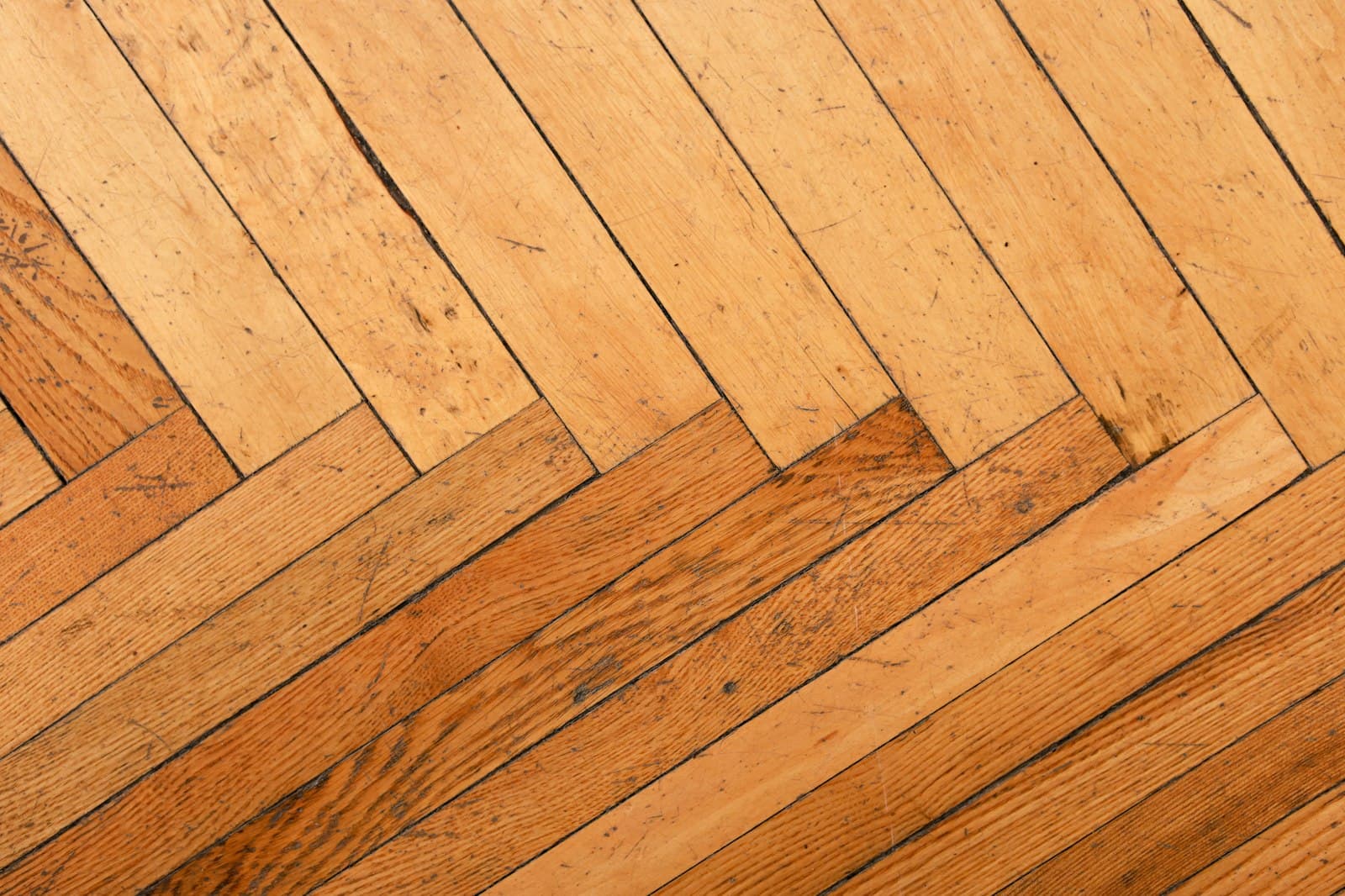
The ranches, capes and splits that ring Springfield went up mostly in the 1950s and 1960s, which together account for about 29% of Hampden County's housing, per the Census Bureau's survey. A great many were built with strip oak floors that were covered with wall-to-wall carpet a generation later. When the carpet comes up in Ludlow, Agawam, Chicopee or Wilbraham, the oak underneath is often in good enough shape to sand and refinish, at a fraction of the cost of new flooring.
Before you order new material, ask an installer to:
- Pull up a corner in a closet and check the boards for thickness, pet stains and tack holes.
- Explain whether the floor can take a full sanding, or only a screen and recoat.
- Quote refinishing and replacement side by side.
Watch for the edges of the room where kitchens and baths were redone. A 1970s vinyl kitchen floor laid next to the oak may need testing for asbestos before it is removed, for the reasons above, and the transition between old oak and new tile has to be planned so it does not leave a trip edge. Refinishing also fills the house with dust and fumes for a few days, so plan to be out while the finish cures.
Pricing $5,500 to $8,850 of flooring
The Western Massachusetts calculator puts a typical flooring job at about $5,500 to $8,850, and the flooring cost estimate for this market adjusts it for your rooms and material. Compare square footage and waste, material grade, removal and disposal, subfloor repair and leveling, trim and transitions. A Springfield or Northampton installer working nearby will usually price tighter than one driving to the Berkshires, so ask how travel is billed.