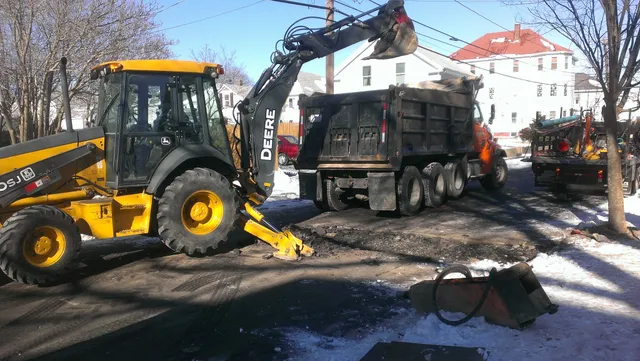
Plumbing in Greater Providence splits along a line you can almost draw on a map. Inside Providence, Pawtucket and Cranston, houses sit on city water and sewer, and most of them burn utility gas: about 70% of Providence households heat with it, according to the Census Bureau's house heating fuel table. Out in Scituate, Foster and Glocester, around the reservoir, the same plumber is dealing with a private well, a pressure tank and a septic system. On the shore at Charlestown or Little Compton, it may be a cesspool. Knowing which kind of house you have tells you which kind of plumber to call.
Which DLT license should the person sweating your pipes carry?
Rhode Island does not leave plumbing to the general contractor registration. Plumbers are licensed one person at a time by the Department of Labor and Training, at master and journeyperson levels, and you can search any name or license number on the DLT Professional Regulation lookup. A plumbing company working within its license is exempt from the separate contractor registration (the carve-out for licensed trades sits in RIGL 5-65-2), but it still has to carry the same insurance a registered contractor does.
Two practical points follow:
- Ask for the license of the person who will be on site, not only the owner's. A journeyperson works under a master.
- A remodeler who "has a plumber" should name that plumber. The plumbing part of a kitchen or bath job belongs to a DLT licensee.
Who files a water heater permit at Providence's Inspection and Standards office?
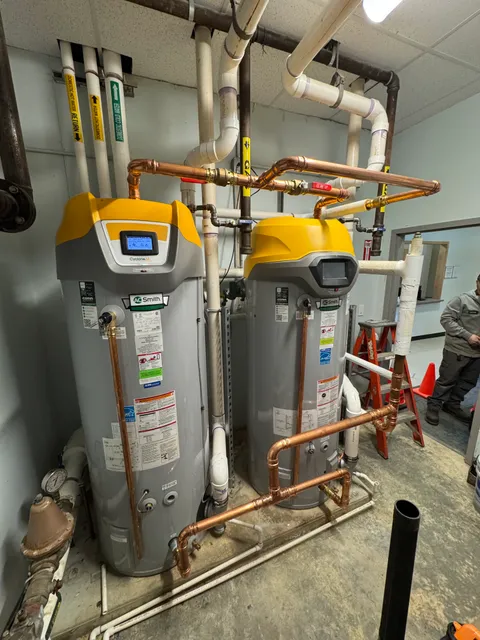
In Providence, plumbing permits go through the Department of Inspection & Standards, which takes building, mechanical, electrical and plumbing applications online. Swapping a gas water heater, moving a fixture, adding a gas line for a range: these are the jobs where a permit protects you, because the inspection is the only independent look at the venting and the gas connection.
Rhode Island's contractor law puts the burden on the contractor. Section 5-65-3 says the contractor must see that permits required by the building code are secured before work begins. In Warwick, Johnston or Cranston the counter is the local building official rather than the city portal, but the rule is the same statewide. If a plumber suggests you pull the permit in your own name to save a step, ask why.
Selling a house in Glocester or Little Compton that drains to a cesspool
Rhode Island still has cesspools, mostly in older shore neighborhoods and rural towns. The Cesspool Act puts a deadline on them at the moment a house changes hands. Under RIGL 23-19.15-12:
- a cesspool serving a building that is sold must be removed and replaced with an onsite wastewater treatment system, or the building connected to sewer, within 12 months of the sale;
- where nobody knows how the house disposes of wastewater, a system inspector has to check before the sale;
- the purchase contract must give the buyer a ten-day window to inspect the system, unless both parties agree to a different period.
This is where a plumber and a septic installer meet. The plumber handles the building drain and the connection; the new system itself is designed and installed under the state's onsite wastewater rules. If you are buying in Tiverton, Charlestown or Burrillville, ask the seller early what the house drains to, and get a plumber's opinion on the building sewer while the inspection window is open. Budget for the replacement in the year after closing rather than discovering it later.
Can a Fall River plumber take a job in Tiverton?
Only with a Rhode Island license. The market runs across the state line both ways, and a plumbing company based in Fall River or Seekonk working in Tiverton or East Providence is common. Plumbing licenses do not carry over between the two states. A Massachusetts plumber needs a Rhode Island license for Rhode Island work, and the reverse is true for a Pawtucket company working in Swansea or Somerset.
For a South Coast address, check the plumber on Massachusetts' eLIPSE search, where the Board of State Examiners of Plumbers and Gas Fitters licenses appear. For a Rhode Island address, use DLT. A company with offices in both states should be able to show you a license from each.
Gas in the cities, oil tanks and wells on the edges
Large parts of this market never got a gas main. In Newport County and Washington County more homes heat with fuel oil than with utility gas, and the western Providence County towns are similar. For a plumber, that means:
- City houses in Pawtucket, Central Falls or Woonsocket: gas boilers, cast-iron drains, and old galvanized supply lines in two- and three-family buildings.
- Shore and rural houses: oil-fired boilers with tankless coils, well pumps, water treatment, and septic tanks that dislike a garbage disposal.
When you call, say which you have. A company that mostly works on city gas systems may not stock well parts, and a rural specialist may not want a fourth-floor drain in Providence.
Older city buildings bring their own list. A two-family in Pawtucket built before the Second World War may still have a cast-iron stack, lead or galvanized pieces in the supply, and a basement where several generations of owners added fittings without permits. Ask the plumber to look at the whole run from the meter to the fixture you called about, and to tell you in writing what they found that is outside the job. A good plumber will separate "this has to be fixed now" from "this will need attention in the next few years," and price only the first unless you ask for both.
Shore houses that sit empty in winter add a different risk: freezing. If you own a seasonal place in Narragansett or Westerly, ask about a winterizing visit in the fall and a start-up visit in spring, and keep the plumber's number with whoever checks the house.
Writing down a repipe that crosses $1,000
Small service calls are usually invoiced, not contracted. Larger jobs are different. When a plumbing company works as a registered contractor, Rhode Island's written-contract rule applies to anything over $1,000 in labor and materials, and the contract has to carry a Notice of Possible Mechanic's Lien. That notice explains that suppliers and subcontractors who are not paid can file a lien against your property, so it is worth asking the plumber how suppliers are paid on a large repipe.
The state does not cap what a contractor may ask up front, and there is no state fund to make you whole if a contractor fails to finish. That makes the payment schedule the main protection on a big job. Tie payments to stages you can see: rough-in passed inspection, fixtures set, final inspection signed off.
Three questions that separate plumbing quotes
The Greater Providence calculator puts a typical plumbing job at about $270 to $660; you can test your own scope on the plumbing cost estimate for this market. Emergency rates, a weekend, a well pump or a corroded gas line will push a bill past that.
Before you hang up with a plumber on a non-emergency job, ask three things: the license number of whoever is coming, whether the job needs a permit and who will file it, and whether the price includes hauling the old equipment away. Those three answers separate most quotes.