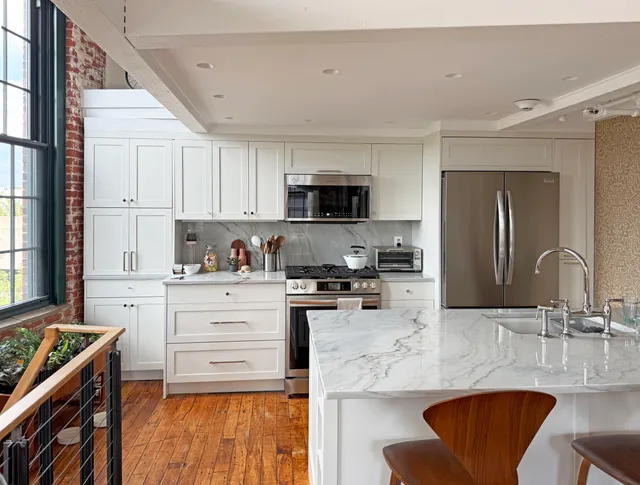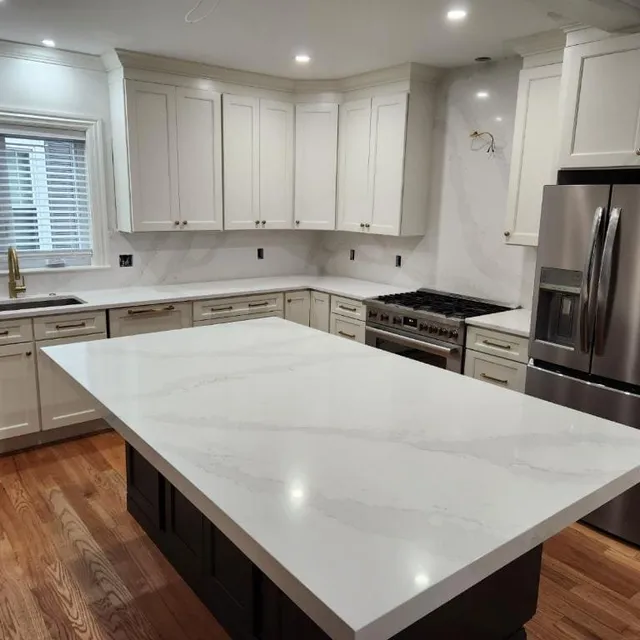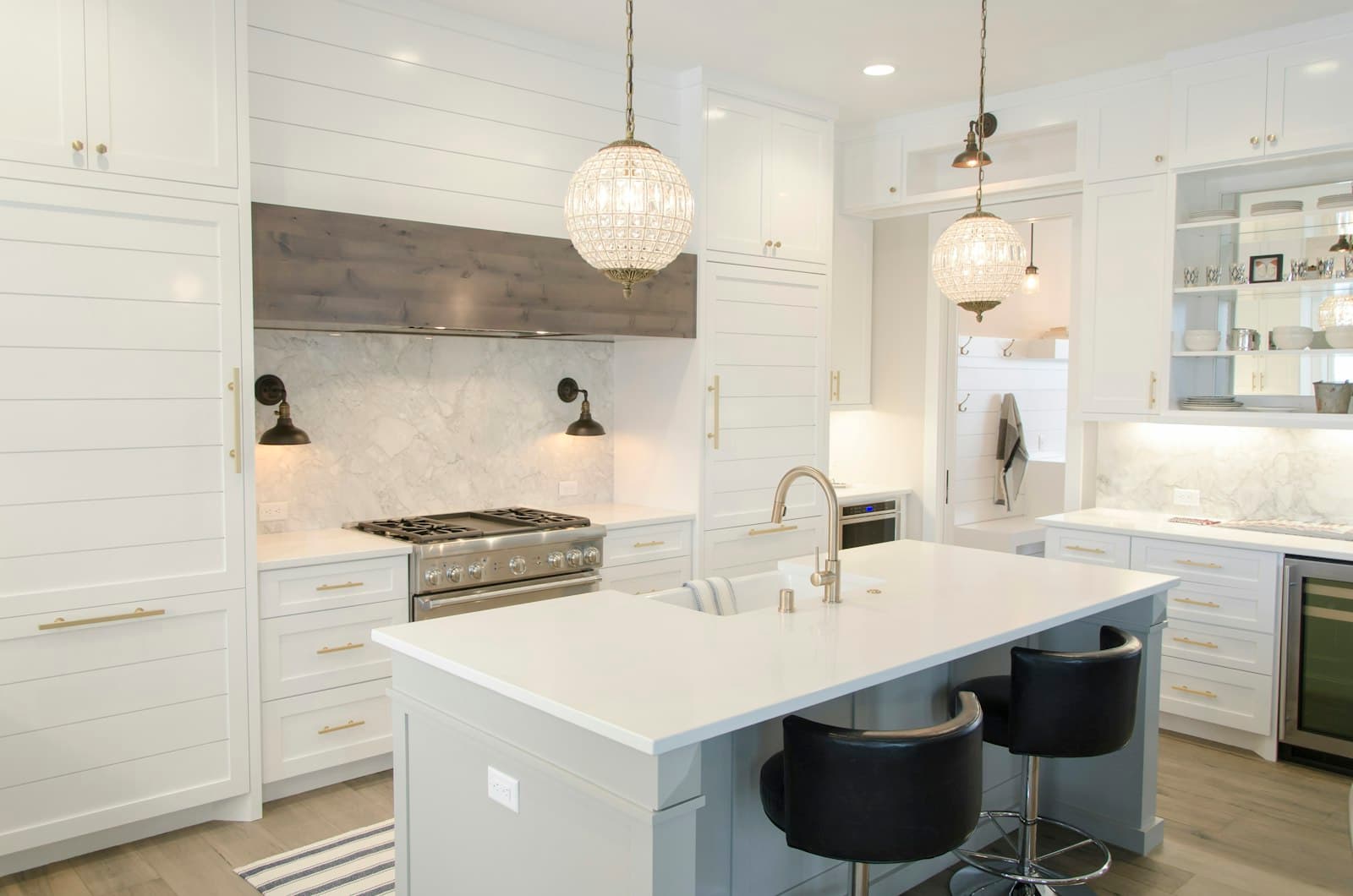
Kitchens in this market range from galley kitchens in Providence three-families to farmhouse kitchens in Scituate and summer kitchens in Narragansett cottages. What they share is age. Many kitchens here sit in houses built before the Second World War, and a large share are in rental units, where a remodel runs into rules a single-family homeowner never sees. Start with what kind of kitchen you have, then pick the remodeler.
Remodeling the kitchen in a unit you rent out
Rhode Island's Lead Hazard Mitigation Act applies to rental housing built before 1978. Under RIGL 42-128.1-8, owners of those units must take a lead hazard awareness seminar, have the unit evaluated, meet the lead hazard mitigation standard and give tenants the results of the independent clearance inspection. Where an at-risk occupant lives, hazards must be corrected within 30 days of a tenant's notice, and a new owner has 60 days to bring a unit into compliance.
For a kitchen remodel, that means:
- Cabinets, window trim and old painted walls in a pre-1978 kitchen are exactly the surfaces lead rules care about.
- The renovation itself can create the hazard the law exists to prevent, so how the work is done matters as much as the finished room.
- A remodel between tenants is often the cleanest moment to do the work, and the clearance inspection afterward should be part of your plan.
Ask any remodeler working on a rental in Pawtucket, Woonsocket or Providence whether the firm is certified under the EPA's Renovation, Repair and Painting program, which applies to paid work disturbing paint in pre-1978 homes, and how the crew contains dust.
Gas ranges, new circuits and the licensed trades behind the cabinets
A kitchen is where the gas line, the plumbing and a handful of dedicated electrical circuits all meet. Rhode Island licenses plumbers, electricians and mechanical trades through the Department of Labor and Training, separately from the remodeler's registration. You can look each one up on the DLT license search.
Common kitchen changes that bring in a licensed trade:
- moving the sink or adding a dishwasher or pot filler (plumber);
- moving a gas range, or converting from electric to gas (licensed gas work);
- an induction range, a new microwave circuit or under-cabinet lighting (electrician);
- a range hood vented to the outside (often more than one trade, plus a hole in an exterior wall).
In a Federal Hill two-family or an East Providence cape, the panel may not have room for an induction range and new appliance circuits. Ask the electrician to check before you pick appliances.
The permit and the inspection calendar
Kitchens with any plumbing, gas, electrical or structural change need permits under Rhode Island's statewide building code. In Providence, the Department of Inspection & Standards takes building, plumbing, mechanical and electrical applications through its online permitting system, with Fire Marshal plan review where it applies. In Cranston, Johnston or Smithfield you deal with the town building official.
The contractor is responsible for getting the permits in place before work starts. Inspections fall at rough-in, before the walls close, and at the end. Put those dates on the project schedule and tie payments to them.
Registration, the contract and what the bid should list
The kitchen remodeler must hold a current registration from the Contractors' Registration and Licensing Board; search it on the CRLB contractor search. Registration also requires $500,000 in liability insurance and workers' compensation.
Kitchen projects run well past the $1,000 threshold at which Rhode Island requires a written contract. Under RIGL 5-65-3, the contract must include the board's required disclosures, a mechanic's lien notice, a statement on whether proper insurance is in force for your job, and any rescission notice that applies. The state does not limit the deposit, so the amount is negotiable.
A kitchen bid you can compare line by line separates:
- demolition and disposal;
- cabinets, by manufacturer and line, with the order date;
- countertops, with templating and installation;
- each licensed trade's work and permit;
- flooring, wall repair and painting;
- allowances for anything you have not chosen yet.
Two bids that look $8,000 apart are often the same job with different allowances.
Taking a wall down in an older house
Joining the kitchen and dining room into one space is what owners of older houses ask for most, and it carries the most unknowns. In a balloon-framed two-family in Pawtucket, or a colonial in Bristol with original beams, the wall you want gone may carry the floor above, a plumbing stack from the bathroom upstairs, or a chimney flue that nobody uses anymore.
Before a bid on that kind of work means anything, someone has to look inside:
- Is the wall bearing, and if so, what beam replaces it and where does the new load go down to the foundation?
- What runs through it: a drain, a gas line, a heating pipe, old wiring?
- Will the floor on either side line up once the wall is gone, or do two rooms built decades apart sit at different heights?
A remodeler who prices wall removal without opening a small inspection hole is guessing. Ask for a separate line for the structural work, and expect the building official to want a beam size before signing off.
Living without a kitchen for a month
Plan the weeks without a working kitchen before demolition starts. Ask whether the old sink can stay connected in a basement or laundry area, where a refrigerator and microwave can live, and how dust from the work zone will be kept out of the rest of the house. In a three-family where tenants share a basement or a back stair, tell them what is coming.
Sales tax on cabinets and appliances
Rhode Island's sales tax is 7%, against Massachusetts' 6.25%, and on a kitchen the materials are a large share of the bill. Ask each remodeler whether material prices include tax and how it is charged. A Seekonk or Swansea supplier is close by for many East Providence and Barrington homeowners, but where and how tax is charged depends on the sale, not the store's address.
Seasonal kitchens on the shore
Summer cottages in Westerly, Charlestown and Portsmouth are often remodeled in the off-season, when crews have room in their calendars and the house is empty. If the house is closed in winter, ask about freeze protection for new plumbing, appliances rated for an unheated house, and who checks the work while you are away. A remodeler who does not live nearby needs someone on site who can let inspectors in.
From a Warren condo refresh to an East Greenwich gut
The Greater Providence calculator puts a typical kitchen at about $21,400 to $32,600; you can adjust the scope on the kitchen remodel cost estimate for this market. A refresh with new doors and counters in a Warren condo may come in under the range. A gut renovation that moves walls in an East Greenwich colonial can land far above it.