Roofs in this market take weather from two directions. Nor'easters drive snow and rain off the ocean in winter, and the remnants of tropical storms push wind up Narragansett Bay in late summer. A shingle roof in Coventry or Smithfield mostly worries about ice dams. One on a bluff in Narragansett, or on the open side of Jamestown, has to survive wind-driven rain and salt. Both kinds of owner end up hiring after a storm, which is exactly when hiring is hardest.
After a nor'easter: the knock on the door
Storms bring roofers looking for work, some local and some from out of state. A crew that knocks the morning after a storm is not automatically a bad crew, but the pressure to sign quickly is the problem. Rhode Island has two separate cancellation rules that can apply here:
- Door-to-door sales. Under RIGL 6-28-3, when a seller personally solicits a sale of $25 or more at your home, you can cancel by posting written notice no later than midnight three days after signing, not counting Sundays or mail holidays. The notice goes by registered or certified mail. There are exceptions: a deal you negotiated at the seller's place of business, or a genuine emergency where you sign a handwritten waiver.
- Elderly homeowners. Section 5-65-27 gives an elderly consumer three business days to cancel a contractor agreement that came from an in-home solicitation, meaning a sale the contractor started, including by phone or online. It does not apply where you called the roofer yourself, or answered an ad.
Outside those two cases, there is no general cooling-off period for a roofing contract in Rhode Island. Treat a signature as final.
Before you sign with anyone after a storm:
- Search the company on the CRLB contractor search.
- Ask for a certificate of insurance sent from the insurer, not a photocopy.
- Get a second quote, even if the first one seems fair.
- Do not hand over your insurance claim paperwork, or sign anything that assigns your claim, until you have read it.
Why a roofer's registration number belongs on the truck
Roofers are one of fourteen subcontractor trades that RIGL 5-65-3 lists by name as needing their own CRLB registration unless they are employees of a registered contractor. The same section requires the registration number to appear in all advertising, including vehicles, business cards and directory listings. A roofing crew with no number on its truck or flyer is a reason to ask questions.
Registration also comes with insurance. Every registrant has to carry at least $500,000 combined single limit liability coverage plus workers' compensation under RIGL 5-65-7, and failing to keep that insurance invalidates the registration. On a roof, where falls happen, that workers' comp line is the one to check.
Roofs on College Hill and in the Armory district
Providence's Historic District Commission reviews changes that affect the exterior of a property, including repairs and replacements, in the city's local historic districts. College Hill and the Armory are the best known. A certificate of appropriateness or a letter of exemption has to come before the building permit.
For a roofer that means:
- Plan on the review in your schedule. It is not a same-week approval.
- Expect questions about material. Slate, wood shingles and original details like built-in gutters on a Federal or Victorian house get attention that an asphalt roof on a 1950s ranch does not.
- Ask whether the roofer has prepared applications before and can bring photos and product samples.
Outside the districts, a re-roof still goes through the city or town building official under the state code. The contractor is the one responsible for seeing the permit is secured before work starts.
Salt air from Westerly to Newport
Coastal roofs wear faster. Fasteners corrode, flashing fails at the edges, and wind gets under shingles that were not nailed to the manufacturer's high-wind pattern. On a house near the water in Westerly, Charlestown, Newport or North Kingstown, ask:
- Which shingle wind rating and nailing pattern will you use?
- What metal will the flashing and drip edge be, and will the nails resist corrosion?
- How will you seal the ridge vent against wind-driven rain?
- What does the shingle warranty say about coastal exposure?
The National Weather Service office in Boston/Norton covers Rhode Island and the South Coast. Check its forecast before a tear-off day. A good roofer opens only as much roof as the crew can close by evening.
Ice dams on inland capes and ranches
Away from the water, the winter problem is different. Postwar capes and ranches in Smithfield, Coventry, Johnston and Cranston often have short attics, little insulation over the top-floor ceiling and soffits that were painted shut decades ago. Heat escapes into the roof, snow melts, and the water refreezes at the cold eaves. The dam backs water under the shingles and into the walls.
New shingles alone do not fix that. A roofer who understands ice dams will ask about the attic before quoting:
- Is there continuous intake ventilation at the soffits and exhaust at the ridge?
- Are bathroom fans venting into the attic rather than outside?
- Is there a membrane at the eaves, and how far up the roof will the new one run?
- Would air sealing and insulation from an energy assessment do more than ventilation?
On a cape with knee walls and sloped ceilings, ventilation may need a design rather than a few extra vents. If the roofer does not ask about the attic, ask them to look.
Gutters, chimneys and the seams between trades
A roof job touches other people's work. Gutters are often replaced at the same time, but by a different crew. The flashing where a chimney meets the roof is the roofer's, while the brick above it is the mason's. On a house in Pawtucket or Central Falls with a shared wall or a neighbor's roof abutting yours, the joint between the two roofs needs a plan. Name each of these in the contract so no seam is left for someone else.
What goes in the paper before the first shingle comes off
Every roof replacement here crosses the $1,000 line that requires a written contract in Rhode Island, and that contract must carry the board's consumer disclosures and a Notice of Possible Mechanic's Lien. The lien notice matters on roofing because materials are often delivered on the roofer's supplier account: if the roofer does not pay the supplier, the supplier may have a claim against your house. Ask for a lien waiver from the supplier with the final bill.
Make sure the contract also says:
- how many layers are coming off, and what is included if rotted boards are found underneath (a price per sheet);
- the shingle line, color and underlayment, and whether ice-and-water membrane goes at the eaves and valleys;
- who pulls the permit, and that the final payment follows the final inspection.
Pitch, dormers and staging on the roofing bill
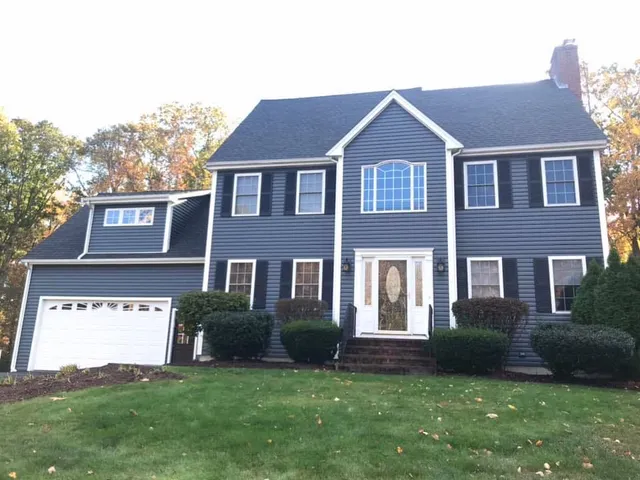
The Greater Providence calculator puts a typical replacement at about $8,350 to $17,300; the roofing cost estimate for this market lets you adjust size and pitch. A two-story colonial in West Warwick sits near the middle. A steep Victorian in Cranston with multiple dormers, or a shore house where staging and wind detailing add labor, can run well past the top.