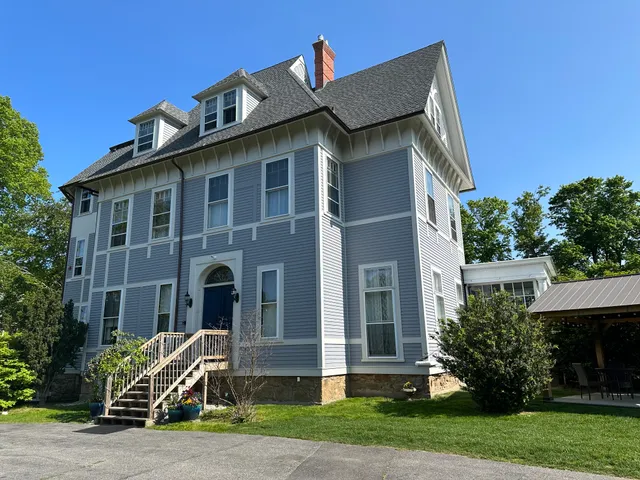
Rhode Island is unusual in how seriously it treats house painters. In many states, a painter needs no state credential at all. Here, painting is written into the contractor registration law by name. That gives you something concrete to check before you let anyone scrape a house, and in a market where so many houses were painted long before 1978, the scraping is where the real risk lies.
Why a Rhode Island painter carries a registration number
The state's contractor statute lists fourteen kinds of subcontractors who must be registered before doing any work unless they are employees of a registered contractor. Painters are number fourteen on the list in RIGL 5-65-3, and power washers who work on structures are on it too. The list runs all the way from framers to tile setters.
The same section requires every registered contractor to print the registration number in its advertising, from truck signs to business cards to online listings. A painter who advertises as "licensed" when only registered can be fined. Two easy checks follow:
- Is there a registration number on the estimate, the truck or the lawn sign?
- Does that number come up active on the CRLB contractor search?
Registration also means insurance. The law requires $500,000 in liability coverage and workers' compensation for every registrant. Ladders on a three-story house in Woonsocket or Pawtucket are where that coverage matters most.
Scraping and sanding an old house: what lead-safe prep looks like
Most of the cost and most of the risk in painting an older house is in preparation. On a house built before 1978, the old paint under the current coat probably contains lead. Federal law steps in at that point. Under the EPA's Renovation, Repair and Painting rule, a painting company hired to scrape or sand a pre-1978 home has to hold firm certification, and its crew has to be trained in lead-safe methods, either in a course or on the job by a certified renovator.
On an exterior job, lead-safe prep should include:
- plastic sheeting on the ground extending well beyond the work area, with windows and doors closed;
- wet scraping, or sanders with HEPA vacuum attachments, instead of dry power sanding;
- no open-flame burning of old paint;
- daily cleanup of chips, and a final cleanup that leaves the soil and the sheeting clean.
Indoors, the work area is sealed off and cleaned with HEPA vacuums and wet wiping. Ask who on the crew is the certified renovator and whether they will be on site during prep. Compare bids by how they describe this step, not just by the total.
Painting a pre-1978 rental: the landlord's side
Rhode Island has its own lead law for rental property. Under RIGL 42-128.1-8, a landlord renting a unit built before 1978 has four jobs: attend an awareness class on lead hazards, get an evaluation of the unit, bring it up to the mitigation standard, and hand the tenant the independent clearance report. If an at-risk occupant lives there and reports a hazard, the clock to correct it is 30 days.
For a landlord with a two-family in Providence's West End or a triple-decker in Central Falls, painting is often how the mitigation standard is met: stabilizing deteriorated paint on porches, windows and trim. Talk with your painter about the inspection that will follow, and schedule the work so the clearance can be done before the next tenant moves in.
Historic districts: color is your call, sandblasting is not
In Providence's local historic districts, the Historic District Commission leaves paint color to the owner. Colors, light fixtures and door hardware are exempt from review. What the commission does review is any exterior change, so replacing rotted trim, clapboard or porch parts as part of a paint job can bring in an application. And on masonry, sandblasting "will not be approved."
So a painter working on College Hill or in the Armory district should know where painting ends and repair begins, and tell you before replacing any historic material. In Bristol, Warren and Newport, where many 18th- and 19th-century houses survive, ask the painter about experience with old wood windows, putty and the oil-based finishes that may already be on the trim.
Salt, sun and fog on shore houses
Exterior paint on the water in Westerly, Narragansett, Tiverton and Newport fails faster on the south and east faces. Fog and dew leave surfaces wet into late morning, and painting over damp wood is one of the main reasons coastal paint peels. Ask the painter:
- How do you check moisture before painting?
- What primer do you use on bare and weathered wood, and is cedar treated differently?
- How many coats on the weather side?
Shore crews often work fewer hours per day for this reason, and the price should reflect it.
Power washing before paint
Because power washers who work on structures are on the registration list too, the crew that cleans your house before painting should be registered, whether it is the painter's own employees or a separate company. Washing is also where an old house is easily damaged. High pressure forces water behind clapboard and into window frames, and it can strip loose lead paint into the yard faster than any scraper. Ask what pressure and nozzle will be used, whether the house will be washed by hand or with a low-pressure soft wash, and how long the wood will dry before primer goes on. On a pre-1978 house, washing is part of the lead-safe plan, not a separate step.
Interior work in the off-season
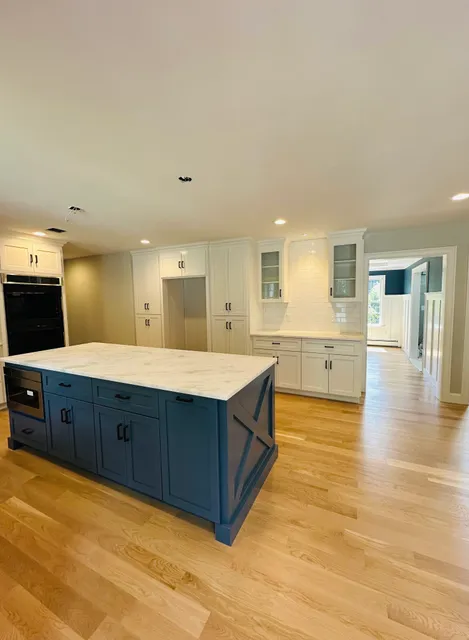
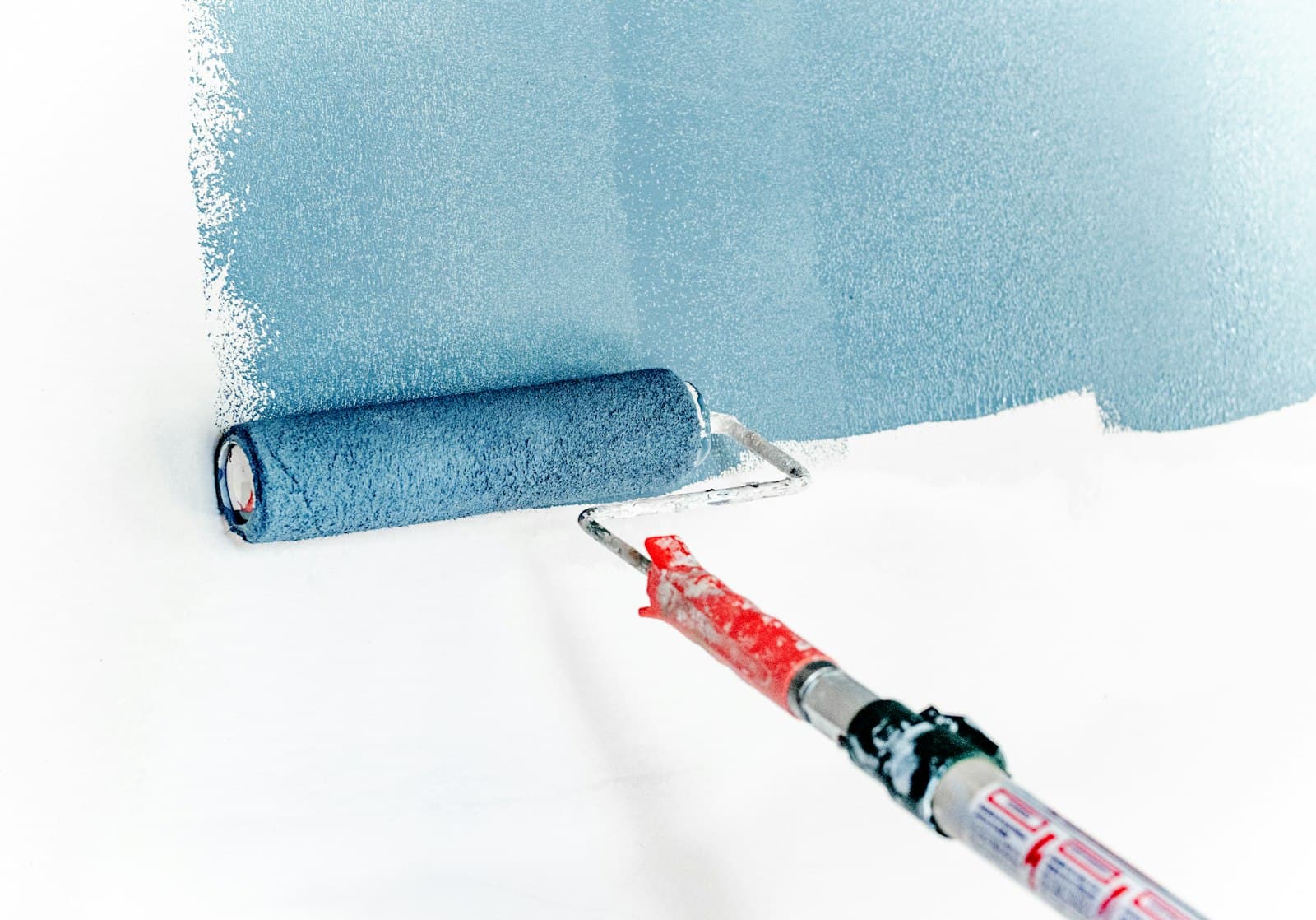
Interior painting is the easiest work to schedule in the winter months, when exterior crews are idle. Rooms in older Providence and Pawtucket houses often have plaster with decades of patches; ask whether plaster repair is included or priced by the hour, and what primer goes over repaired areas so the patches do not show through.
Reading a painting bid
A good bid names surfaces, not just rooms or sides. It should list:
- prep method, including lead-safe practices on older houses;
- the repairs included, such as glazing putty, small carpentry fixes and caulking, with a price for wood replacement beyond that;
- primer and paint products by name and sheen, and the number of coats;
- what is not being painted: windows, gutters, porch floors;
- cleanup and how chips are disposed of.
Nearly every whole-house paint job costs more than $1,000, the point at which Rhode Island wants the agreement on paper, including the lien notice. The state sets no maximum deposit; a deposit that covers paint and materials is reasonable, with the balance due when you have walked the house and the punch list is done.
Why painting quotes here run below Boston's
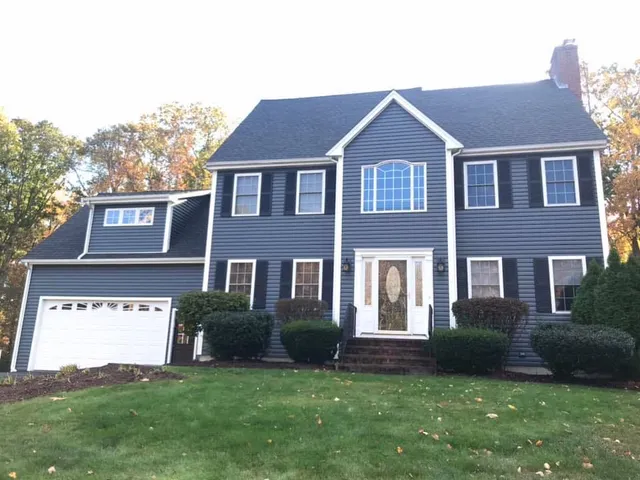
Painter wages in the Providence area run lower than the Boston area's, and the calculator reflects that. A typical job comes out at about $5,100 to $7,650; adjust the size and scope on the painting cost estimate for this market. A single-story ranch in Coventry or Cranston sits near the low end. A three-story Victorian in East Providence with heavy prep and lead-safe containment can run well above it.