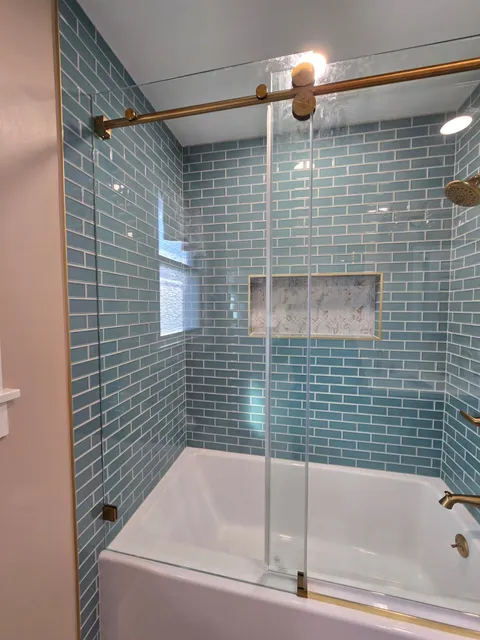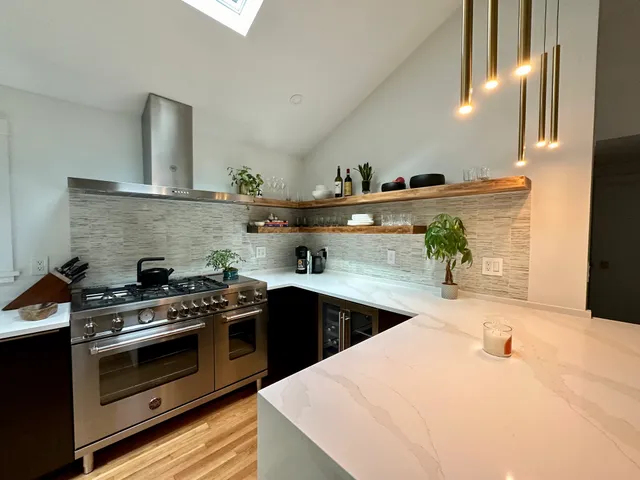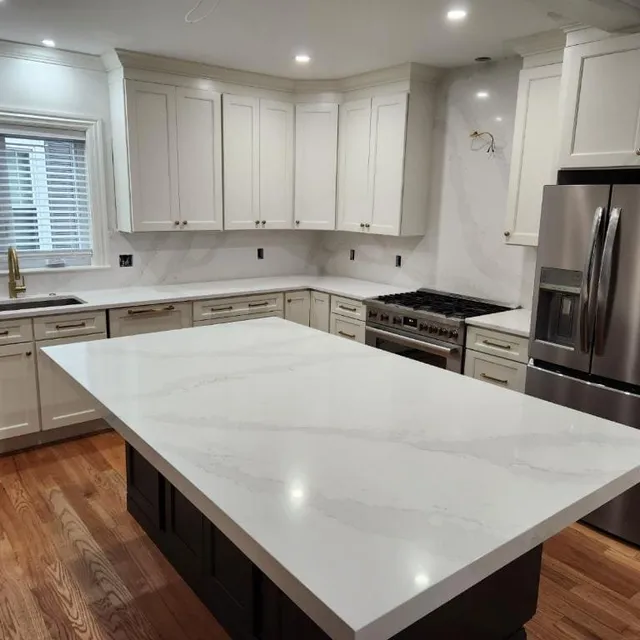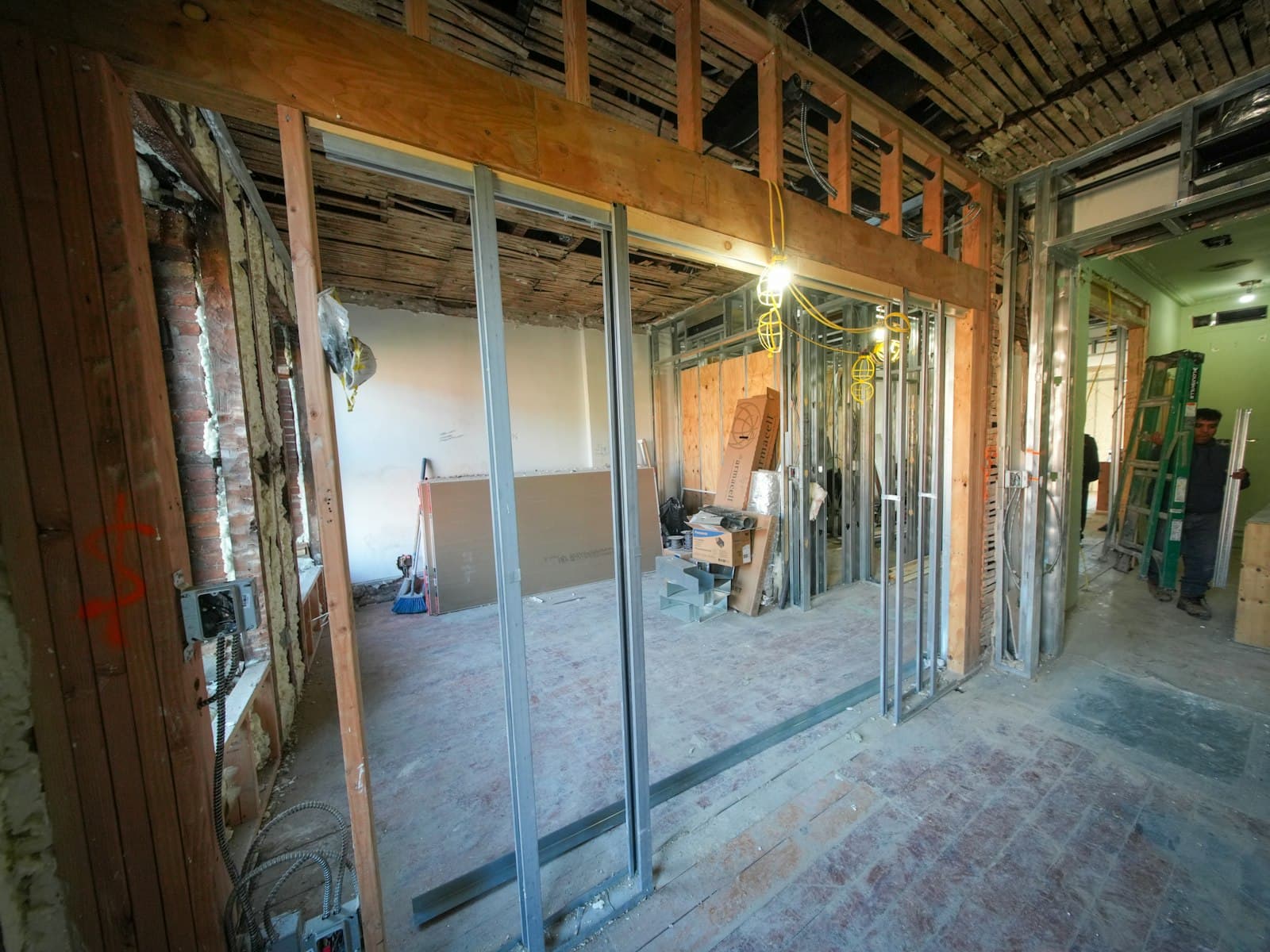
A general contractor in this market is usually running several registrations at once: its own, a framer's, a drywall crew's, a painter's, plus a licensed plumber and electrician who answer to a different state agency. Rhode Island's contractor law is built around that chain. It tells you more about who is on your site than most states do, and it gives you less money-back protection than Massachusetts does a few miles east. Knowing both halves is most of what you need before signing.
Whose names should be on the subcontractor list?
Rhode Island does not stop at the company you sign with. RIGL 5-65-3 lists fourteen subcontractor trades, from carpenters and framers to drywall installers, plasterers, insulation installers, tile setters and painters, that need their own registration unless they are the contractor's employees. The general contractor may not hire a subcontractor who is neither registered nor exempt.
The same section makes every contractor keep a list of its subcontractors with their names, addresses and registration or license numbers, and hand it to the board within 24 hours of a request. You can ask for the same list. A contractor who keeps it as the law requires will not mind showing it. Then check the names on the CRLB contractor search.
Where a homeowner pulls the permit, the law goes further: the building inspector is supposed to collect the registration numbers of each contractor on site and report unregistered ones to the board.
The paperwork Rhode Island requires before work starts
Rhode Island's contractor rules require a written contract for any job above $1,000 in labor and materials combined, which describes nearly every general contracting project. Required pieces:
- the consumer disclosures set by board regulation;
- a Notice of Possible Mechanic's Lien, which warns you that unpaid subcontractors and suppliers can file a lien against your land, and that it is your job to make sure they are paid (leaving it out exposes the contractor to a $1,000 fine);
- a statement of whether all the proper insurance is in effect for the job;
- notice of any cancellation right that applies, such as the elderly in-home solicitation rule.
When work begins, the contractor also has to hand you the board's summary of the law. And the contractor, not you, must see that the permits the building code requires are secured before work starts, with the registration number on the permit.
On a large job, the lien notice is the one to act on. Ask for lien waivers from the main subcontractors and suppliers when you make each progress payment. It is the only way to be sure your payment reached the people who could otherwise put a claim on your house.
Deposits in Barrington versus deposits in Seekonk
Rhode Island's contractor chapter does not cap the deposit. A contractor in Barrington or East Greenwich can ask for any amount, and the only limit is what you agree to. Seekonk, Swansea and Somerset are next door but in Massachusetts, where MGL c.142A §2 limits the deposit to a third of the contract, unless special-order materials cost more, and says no final payment is due until the work is complete.
A sound schedule on either side of the line looks similar:
- A deposit that covers mobilization and ordered materials, no more.
- Payments at stages an inspector or you can verify: framing inspection passed, rough-ins passed, drywall up, final inspection signed.
- A final payment held until the punch list is done and the permit is closed.
What happens if the job goes wrong
Rhode Island's board hears complaints, but its complaint filing overview is plain about the limits. Complaints must be filed no later than one year after the work is completed. There is no state fund to compensate homeowners harmed by a contractor, and the board cannot order a contractor to pay damages; recovering money means a civil case.
Massachusetts runs things differently for South Coast homes. A registered home improvement contractor working in Fall River, Somerset or Westport falls under a state arbitration program, with claims allowed up to five years after the contract (c.142A §4), and a guaranty fund that pays actual losses a court or arbitrator awarded when a registered contractor fails to pay. Check the contractor on the Massachusetts Contractor Hub for that work.
In short: in Rhode Island, prevention is the protection. Small deposits, staged payments and lien waivers do the job a fund would do elsewhere.
Additions, coastal lots and historic streets
Some projects pick up a second layer of review before the building permit:
- Near the shore. The Coastal Resources Management Council permits work within the state's coastal zone. An addition on a lot in Warwick's shore neighborhoods, Narragansett or Portsmouth may need CRMC review before the local permit.
- Historic districts. Providence's local districts, and Newport's, review exterior changes. An addition on College Hill is a design conversation before it is a construction one.
- Rural lots. In Foster, Glocester or Exeter, adding a bedroom can mean a septic question, because a system is sized to the house it serves.
Ask any contractor bidding on such a project which approvals the job needs, who prepares them, and how long each normally takes. Then build that time into the contract's start date.
Old houses and the open-wall surprise
Much of the housing here is older than the rest of the country's. In Providence, Pawtucket and Woonsocket, opening a wall in a pre-war two-family can expose undersized framing, old wiring, galvanized pipe or lead paint. Federal-era houses in Bristol and Warren hide their own history in the framing. A general contractor who has worked in this stock will build a contingency into the plan rather than act surprised.
Ask how the contract handles conditions nobody could see. A clear change-order clause should say that extra work starts only after a written, priced change order you have signed. A contractor who treats verbal approvals as enough is the one whose final bill does not match the bid.
Comparing bids for a renovation
The Greater Providence calculator puts a typical general contracting project at about $21,400 to $32,600; adjust the scope on the general contractor cost estimate for this market. For real bids on a house in Lincoln, Cumberland or North Kingstown, insist on line items. Bids that are a single number cannot be compared.
The lines worth separating: demolition and disposal, framing, each licensed trade, finishes, permit fees, allowances for items you have not chosen yet, and the contractor's markup. Allowances deserve the closest look. An allowance set too low makes a bid look cheap now and expensive later.