A wet basement in this market has a short list of usual suspects. Old houses in Pawtucket, Woonsocket and Providence sit on fieldstone or brick foundations laid without any waterproofing at all. Postwar houses in Warwick, Cranston and Johnston were built on block or poured walls that have now cracked. River valleys, the Pawtuxet through West Warwick and Warwick, the Blackstone through Woonsocket, Lincoln and Cumberland, carry their own water. A company that sells one system for all three is selling, not diagnosing.
Is it groundwater, gutters or a river? Start with FEMA's map
Before any contractor visits, find out whether your house is in a mapped flood zone. FEMA's Flood Map Service Center lets you search by address. If your house sits in a special flood hazard area near the Pawtuxet, the Blackstone or the Woonasquatucket, the basement may take on water when the river rises, and no interior drain will keep a flood out. In that case the conversation is about flood insurance, moving the furnace and electrical panel up, and what can be stored below grade.
Most wet basements are not river floods. The common causes:
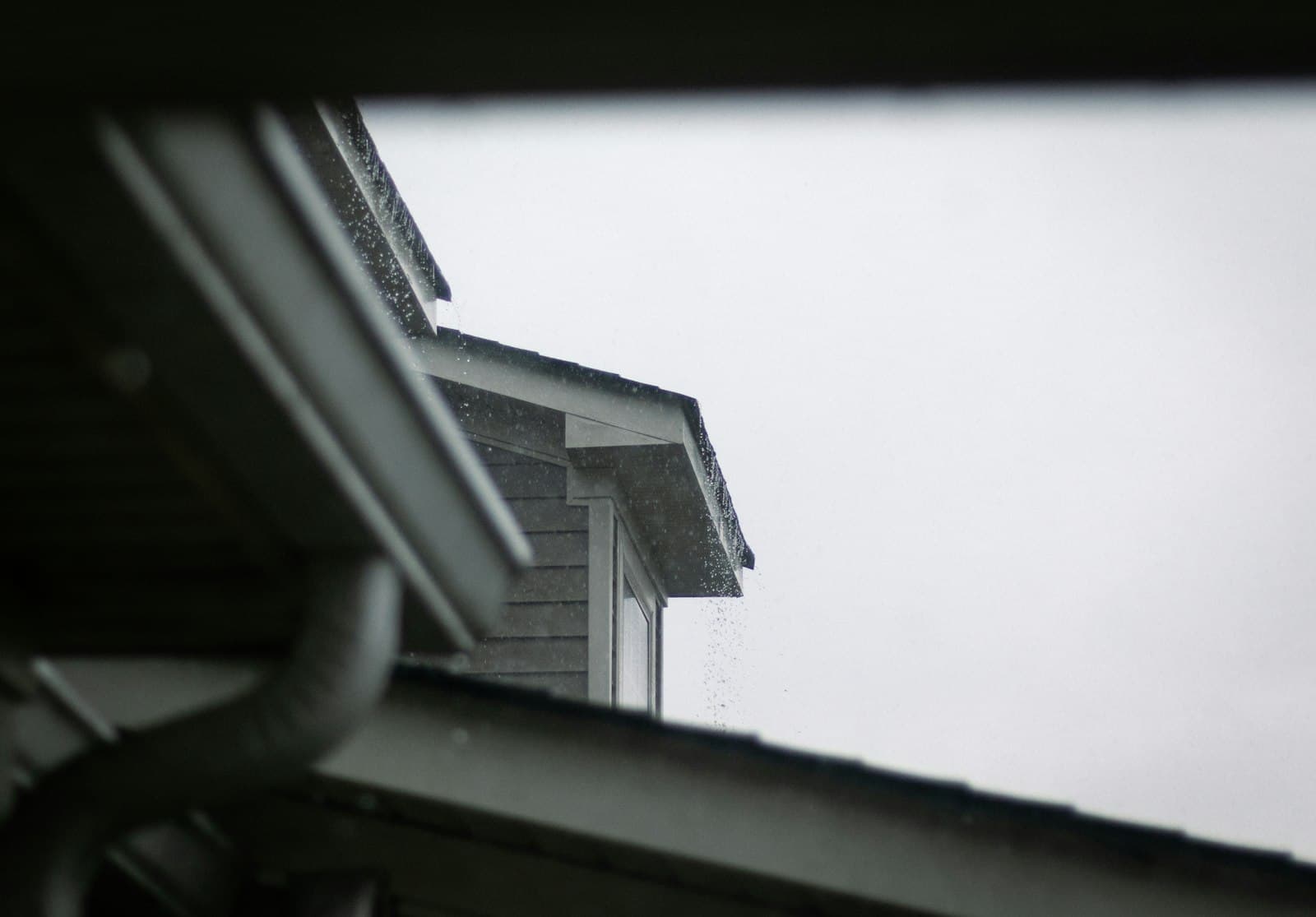
- Roof water. Gutters that overflow and downspouts that dump next to the foundation are the cheapest problem to fix and the most often missed.
- Grading. Soil that slopes toward the house sends rain to the walls.
- High groundwater. After long rains or a snowmelt, water rises under and around the slab.
- Cracks and joints. Water enters where the wall meets the floor, at cracks, and around pipes.
A good contractor walks the outside of the house before looking at the basement. Ask them to explain where the water is coming from, and why their fix addresses that.
Fieldstone and brick foundations in pre-war houses
Many of the older houses in the cities sit on rubble stone or brick foundations bound with lime mortar. These walls were never meant to be dry. They move moisture through the mortar joints, and they hold up best when water is drained away from them rather than sealed in.
What to ask about an old foundation:
- Will the joints be repointed with a mortar suited to old stone, or sealed with something harder?
- Does the plan drain water away, or try to trap it behind a coating?
- If an interior drain is proposed, how close to the wall footing will the trench go?
- How will the company handle a wall that is bowing, rather than leaking?
A bowing wall is a structural question that may need an engineer, not just a drain.
Interior drains, exterior excavation and sump pumps
Waterproofing options usually come down to three approaches, often combined:
- Interior perimeter drain. The floor is cut along the walls, a perforated pipe is laid in stone, and water runs to a sump pump. It is the most common choice on finished lots.
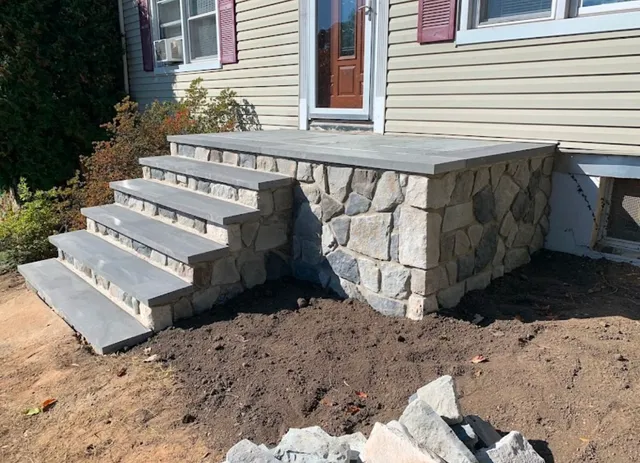
- Exterior excavation. The soil is dug away from the foundation, the wall is sealed and a drain is set at the footing. It addresses the water before it reaches the wall, but costs more and disturbs landscaping, steps and walks.
- Sump pump and surface fixes alone. Sometimes enough, especially where gutters and grading were the real problem.
Ask where the sump will discharge. Water pumped onto a driveway that freezes, or toward a neighbor's yard, causes a new problem. Your town may have rules on discharge into the street or sewer, so ask the contractor what they do locally. Ask also about a battery backup, since storms that bring heavy rain also bring power outages.
Exterior work means digging next to your house, where gas, water and electric services enter. RIGL 39-1.2-5 requires the excavator to notify Dig Safe at least 72 hours ahead, not counting weekends and holidays. The contractor files that request; ask for the ticket number.
Why a foundation crew needs a registration number
Rhode Island's contractor law names foundation installers, including concrete and form installers, among the subcontractors who must register with the Contractors' Registration and Licensing Board unless they are a registered contractor's employees (RIGL 5-65-3). Waterproofing companies that cut slabs, dig foundations and pour concrete fall squarely inside that. Search the company on the CRLB contractor search and ask for its insurance certificate before the crew arrives.
If a waterproofing job includes moving a boiler, adding an outlet for the pump or running a new drain line, those parts belong to licensed electricians and plumbers.
Radon before you finish the space
Many owners waterproof because they want to finish the basement. If that is your plan, test for radon first. Radon is a natural gas that can enter through foundation cracks and floor openings, and the EPA's radon page explains testing and mitigation. A sump pit left open is an easy path into the house, so ask the waterproofing contractor whether the sump cover will be sealed. Results vary from house to house, even on the same street, so a neighbor's test does not tell you about yours.
Getting more than one diagnosis
Waterproofing is a field where the inspection is often free and the diagnosis often matches the product the company installs. Get at least two, and if they disagree, ask each to explain the other's theory. Useful things to have ready when they visit:
- photos of the basement during the last heavy rain, showing where water appeared;
- whether water came in at the wall, at the joint between wall and floor, or up through the slab;
- how quickly it went away after the rain stopped;
- any past work, and its paperwork.
A home inspector or a structural engineer with no product to sell can also be worth a few hundred dollars before a five-figure job.
Contracts, warranties and the one-year complaint window
Waterproofing jobs run well past the $1,000 mark at which Rhode Island's contractor law calls for a written agreement with the board's disclosures and the lien notice. The state does not cap deposits. Since many of these companies sell long warranties, the warranty terms deserve as much reading as the price: what is covered, whether it transfers when you sell, and whether the company must be in business for it to mean anything.
Should something go wrong, note the CRLB's deadline. Its complaint filing overview says complaints must come within one year after the work is completed. A basement that stays dry the first summer and leaks the following spring may already be near that line. Keep photos and dated notes from the first wet season.
What a dry basement costs, from Middletown to Bristol
On this market's calculator, the default waterproofing job comes to about $7,050 to $14,000; you can adjust the length of wall and the method on the waterproofing cost estimate for this market. Fixing gutters and grading on a Middletown ranch can cost a fraction of that. Excavating and sealing three sides of a Bristol colonial's foundation can run past the top.