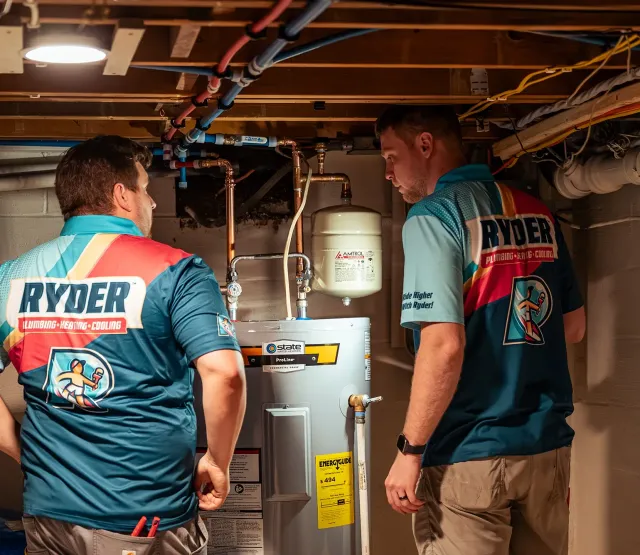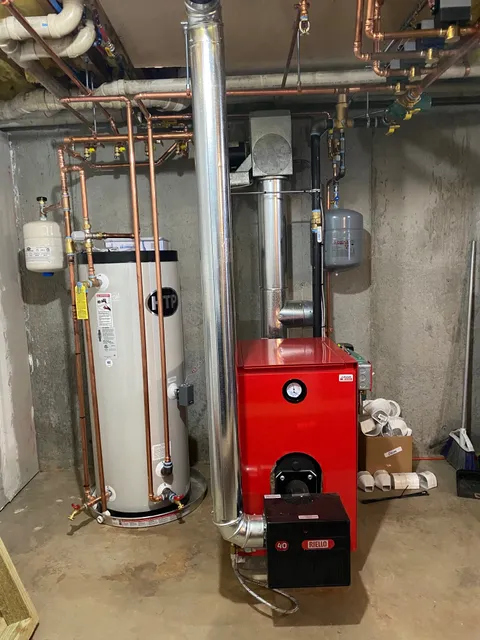
New Hampshire is oil country. The federal EIA state profile puts fuel oil as the main heating fuel in about two of every five homes, far above the national share, with propane, natural gas, electricity and wood splitting the rest. Natural gas mains reach the southern cities and parts of the Seacoast. Most of Wolfeboro, Moultonborough, Littleton and Colebrook burn oil, propane, wood or pellets. That one fact shapes nearly every HVAC conversation in the state, because the question owners bring to a contractor is usually not "which furnace" but "should I keep burning oil at all."
Two in five homes burn oil: weighing the switch
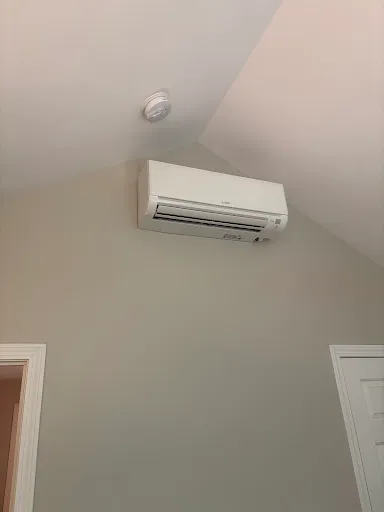
A heat pump moves heat rather than making it, and the cold-climate models sold here are rated to keep working through a New Hampshire January. Whether switching pays depends on the house more than the machine:
- The shell. A drafty 1890s farmhouse in Claremont needs a bigger system than a tight 1990s colonial in Merrimack, and may need air sealing first.
- The distribution. Ductless heads suit open plans and additions. Houses with existing ducts can take a ducted unit. Hot-water baseboard from an oil boiler does not transfer to a heat pump.
- The backup. Many owners keep the boiler for the coldest nights. That is a legitimate design, but only if the controls are set up so the boiler does not take over whenever the thermostat is bumped.
Ask each contractor to do a room-by-room heat-loss calculation rather than sizing off the old boiler's nameplate. An oversized heat pump short-cycles; an undersized one leaves the boiler doing the work you paid to replace.
Reading the 2026 NHSaves heat pump rebate correctly
The state's utilities run their rebates jointly as NHSaves, and the 2026 terms are specific (NHSaves electric equipment):
- $250 per ton for a qualifying air-source heat pump, ducted or ductless, including homes switching from oil, gas or propane.
- $2,000 per ton when the heat pump replaces electric resistance heat, with pre-verification required, for installs from March 23 to December 31, 2026. Installs between January 1 and March 22 got $1,250 per ton.
- A cap of five tons per account, and rebate forms postmarked by January 30, 2027.
- Smaller items: $70 a ton for ENERGY STAR central air, and $85 for a Wi-Fi thermostat installed with a heat pump.
The common misreading is to assume an oil home gets the $2,000 figure. It does not. The enhanced rate is for houses heated by electric baseboard, which are more common in condos and some lake-area conversions. If a salesperson in Nashua or Portsmouth quotes you a net price built on $2,000 a ton and your house burns oil, ask them to show the math.
Gas furnaces and boilers: the fuel-gas license to look up
New Hampshire does not license "HVAC" as one trade. It licenses the parts that can kill you. Under RSA 153:29, gas work calls for a fuel-gas license, whether as a gas piping installer, an installation or service technician, a domestic appliance technician or a hearth technician. If your system burns natural gas or propane, ask which of those licenses the technician holds and look up the number on the OPLC verification page.
Two related rules come up on heating jobs. The plumbing that goes with installing a heating, cooling or water heating system is exempt from the plumbing license, though it still has to meet code (RSA 153:36). And the electrical hookup is electrical work: the line from the panel to a new air handler or outdoor unit should be run by a licensed electrician.
Oil burners and the voluntary technician certification
Oil equipment sits in a different place. The state fire marshal's rules set up a certification for oil heating technicians, and the chapter title says what it is: voluntary certification. It is a useful question to ask an oil service company in Plymouth or Hanover, along with how long its technicians have worked on your brand of burner, whether a tune-up includes a combustion test, and whether the annual service plan covers parts.
When an old oil boiler is replaced, ask about the chimney. A new high-efficiency unit may need a liner or may vent through the wall instead, and either one belongs in the quote.
Air sealing first: Home Energy Performance and its loans
Before buying equipment, it is often cheaper to stop heat from leaving. The NHSaves Home Energy Performance program offers up to $6,000 in rebates on improvement costs, and loans of $1,000 to $15,000 over two to seven years at 0% for Eversource customers and 2% for Liberty, Unitil and New Hampshire Electric Cooperative customers. Income-eligible Eversource households can get the work at no cost (NHSaves energy audits and weatherization). A tighter house needs a smaller heat pump, which can pay back the audit by itself.
Questions for a heat pump installer in snow country
Cold-climate equipment changes the installer's questions as much as the homeowner's. In Littleton, Colebrook or the hills above Wolfeboro, the outdoor unit spends four months in snow, and how it is mounted matters as much as its rating. Before you sign, ask:
- At what outdoor temperature does the unit's output fall below the house's heat loss? That is the point where backup heat has to take over, and the contractor should know it for your design.
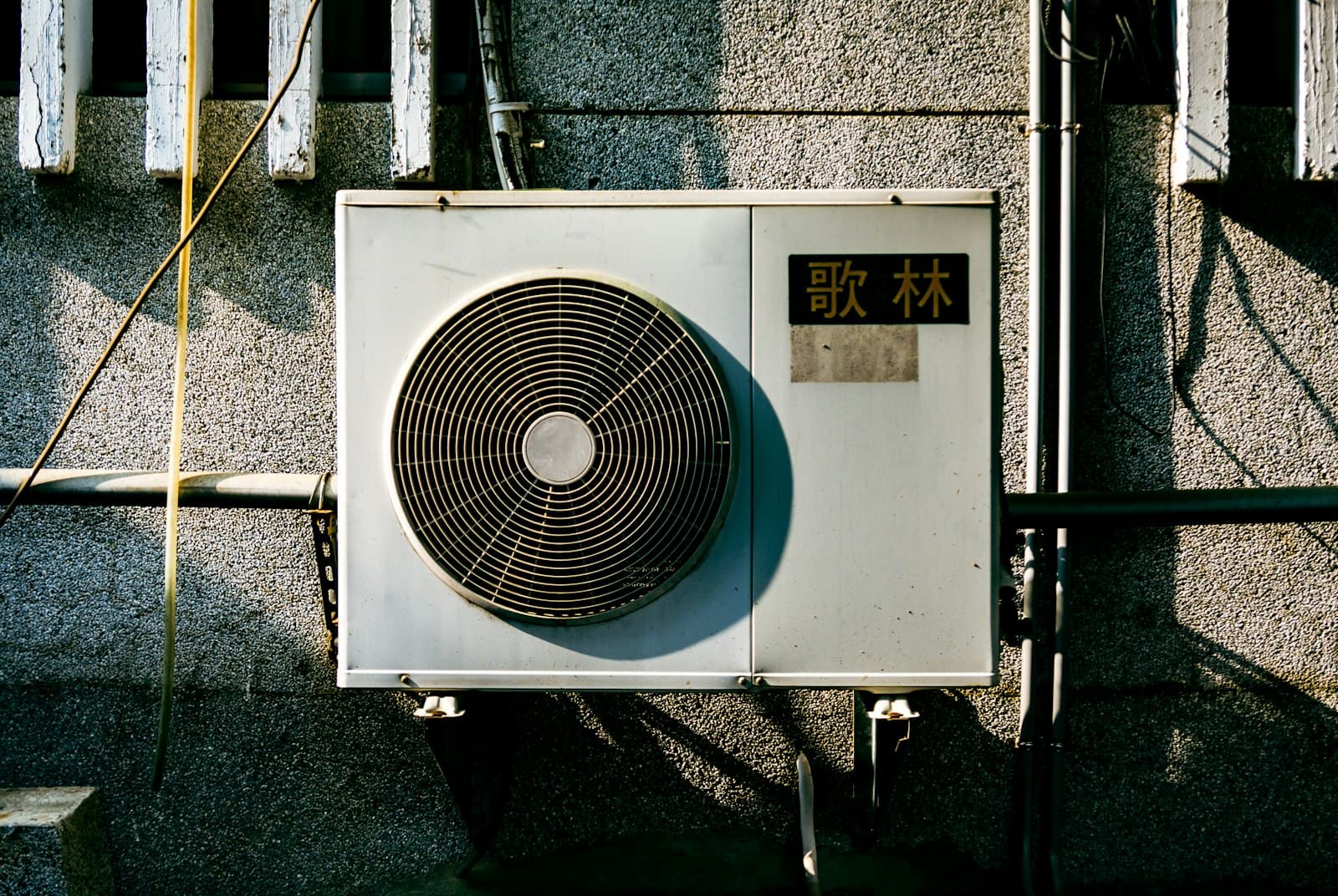
- Where will the outdoor unit sit? It should be raised above the usual snow depth, out from under a roof edge that sheds ice, and placed so defrost water does not freeze into a sheet on a walkway.
- How will the refrigerant lines run? Covered line sets look better and last longer than bare insulation on a south wall.
- Which rooms will each indoor head actually heat? A single head in a living room rarely keeps closed bedrooms warm.
- What happens to the oil tank? If the boiler goes, ask who removes the tank and fill pipe and what that costs, because it is easy to leave out of a quote.
Ask for the manufacturer's warranty terms in writing, and whether the installer must register the equipment for the longer warranty. Many extended warranties depend on registration within a set time after install.
Sizing and pricing a system across the state
A typical New Hampshire HVAC project runs about $4,700 to $10,700 in the New Hampshire HVAC cost estimate. That default prices one job, central air conditioning for a single zone. The same calculator prices a ductless system, a gas furnace or boiler and a ducted heat pump on their own settings, and multi-zone heat pumps, new ductwork and boiler swaps with chimney work run beyond the default.
Get at least two quotes, and compare them line by line: the equipment model numbers, the tonnage and how it was calculated, the number of indoor heads, the electrical work, the removal of old equipment and oil tanks, the warranty on parts and labor, and who files the rebate. With no state contract law for this kind of work, put the payment schedule in writing, keep the deposit modest, and hold back the last payment until the system has run through a cold snap and the rebate paperwork is filed.