Painting is the trade most New Hampshire homeowners hire more than once. Clapboard on a farmhouse in Hopkinton needs scraping and repainting every several years. Interiors in a Bedford colonial get redone when the kids move out. And across the old mill cities, from Somersworth and Rochester to Franklin and Claremont, painters are often the first crew into buildings built long before 1978. The state does not license painters. The federal government does regulate one part of their work, and New Hampshire added a rule of its own in 2024.
Pre-1978 paint and the EPA lead-safe rule
Lead paint was banned for homes in 1978, and anything older probably has it somewhere, often under later coats. Scraping, sanding and cutting that paint makes dust and chips that are a serious hazard, especially to young children and pregnant women.
Under the federal Renovation, Repair and Painting rule, a firm paid to disturb paint in a pre-1978 home must be certified and must use lead-safe work practices. For a painter that means:
- plastic sheeting on the floor and over furniture, and on the ground outside;
- no open-flame burning or uncontrolled power sanding;
- containment so dust does not spread to the rest of the house;
- careful cleanup and a check at the end.
Ask each painter for their firm certification and the name of the certified renovator who will be on site. Ask how they will handle the porch, the window sills and the trim, which are usually the worst areas. A quote that is much cheaper than the others on a 1900s house in Exeter or Keene often leaves this out.
The 2024 rule for mill buildings and Victorians becoming rentals
New Hampshire tightened its lead law for one situation. Since July 1, 2024, a pre-1978 building being turned into rental housing, including a single-family house the owner is moving out of and renting for the first time, needs a Lead-Safe Certificate from a licensed risk assessor before tenants move in (RSA 130-A:5-d). The state's factsheet, which Concord posts on its document center, names the targets plainly: mill buildings, warehouses and Victorians being converted to apartments.
Existing rentals and homes the owner lives in are not covered by that section. But if you are converting part of a house in Tilton or Dover into an apartment, or redoing an old mill unit for rent, painting is where lead hazards get fixed or made worse. Tell the painter at the outset that the unit will be a rental and that a risk assessor will check it. Ask whether they have done prep and painting on units that went on to pass.
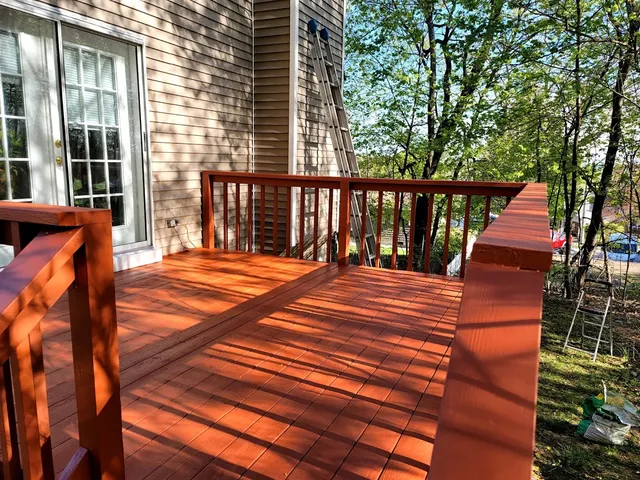
Clapboard, peeling and the short exterior season
Most older houses in the state are wood clapboard, and wood takes paint well only when it is dry and sound. Peeling on the north side, behind gutters and at the bottom courses usually means moisture, not bad paint. A good painter will point it out before quoting and suggest fixing the gutter, the flashing or the trim first.
Exterior painting has a short window in New Hampshire. From late May to September there is usually enough warmth and dry weather, and up north in Colebrook or Whitefield that window is narrower still. Paint makers set minimum temperatures for application and drying, including overnight. Late-season work in October can fail if nights drop below that. Ask each painter:
- which product line and sheen they will use, and how many coats;
- what prep is included: washing, scraping, sanding, priming bare wood, replacing rotten clapboard;
- what they do if rain hits fresh paint;
- whether staging or lifts are included for a two- or three-story wall.
Color in Portsmouth's Historic District
In Portsmouth, the Historic District Commission must sign off, through what it calls a Certificate of Approval, before some kinds of outside work in the district go ahead. Whether a new paint color is one of them is a question for the commission's staff, not the painter, and it is worth asking before you buy forty gallons. Work that replaces trim, siding or other materials while painting is more likely to need review than paint alone.
Interiors: plaster, wallpaper and occupied homes
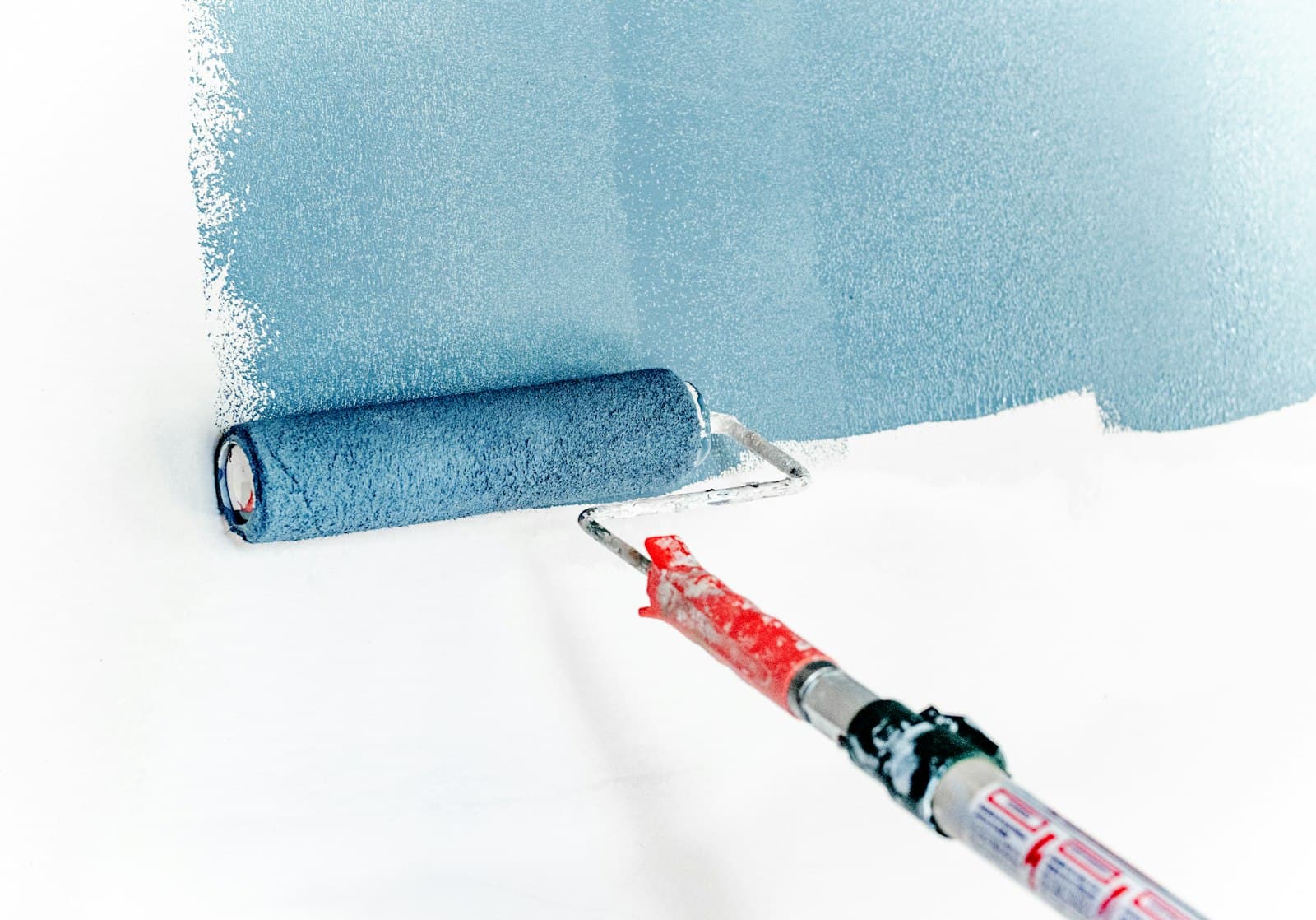
Interior work in older houses is often more about the walls than the paint. Horsehair plaster in Manchester and Nashua homes cracks, and patching it well takes skill. Layers of wallpaper may hide damage. Ask how the painter repairs plaster cracks, whether wallpaper removal is in the price, and how they protect floors.
If you are living in the house, ask the painter to sequence rooms so you always have a bedroom and a bathroom, and to tell you how long each room needs before furniture goes back. Low-odor paints help in winter, when windows stay closed.
Stain on camps, shingles and log homes
Around Winnipesaukee and Squam, in Meredith, Moultonborough and Center Harbor, and in the ski towns of the Mount Washington Valley, many buildings are not painted at all. Cedar shingles, board-and-batten camps and log homes are stained or oiled, and the work is different from painting clapboard.
Stain soaks in rather than forming a film, so the prep is about cleaning and brightening the wood rather than scraping. Sun-facing walls and decks weather much faster than shaded ones. Log homes need checks and gaps sealed before stain, and a product that suits the wood. Ask a painter who quotes this kind of work how many log or shingle buildings they finish each year, which products they use, and how often they expect the south and west walls to need recoating. A painter who mostly does suburban interiors may not be the right choice for a lakefront camp.
Who is actually on the ladder
Many painting companies sell the job with one person and send a crew, sometimes subcontracted, to do it. That is normal, but it changes what you check. Ask whether the crew are employees or subcontractors, who supervises them day to day, and whether the company's liability insurance and workers' compensation cover them on your property. Ask for the certificate of insurance from the agent. Ask how many days the crew will be on site and what hours they work, especially in a condo or a close neighborhood in Manchester or Portsmouth.
Pricing an interior and what a good quote shows
Painting the interior of a 1,500-square-foot home runs about $5,300 to $7,900 in the New Hampshire painting cost estimate, which prices exteriors separately by house size and siding. Ceilings, trim and doors, dark-to-light changes, plaster repair and lead-safe prep all add to the number.
A clear quote lists the rooms or surfaces, the prep, the product line, the number of coats, the colors, the schedule and the payment terms. New Hampshire sets no deposit limit, so a modest deposit for paint and a final payment after a walk-through with your own list of touch-ups is reasonable. If a painter misrepresents what was done, such as skipping primer or lead-safe prep that was promised, the state's Consumer Protection Act bars unfair and deceptive conduct in trade (RSA 358-A:2), and the written quote is your evidence.