Tavlee
Coverage map
  • Explore
  • Saved
  • Log in
Tavlee
Coverage map
Tavlee

A trustworthy directory of home contractors — every claim sourced, licenses verified, rankings that can't be bought.

Trades in Greater Portland

  • Plumbers in Greater Portland
  • Electricians in Greater Portland
  • HVAC Contractors in Greater Portland
  • Roofers in Greater Portland
  • General Contractors in Greater Portland
  • Bathroom Remodelers in Greater Portland
  • Kitchen Remodelers in Greater Portland
  • Window, Siding & Gutter Contractors in Greater Portland
  • Fence Contractors in Greater Portland
  • Landscapers in Greater Portland

Hiring guide · Maine

Hiring a Waterproofing Contractor in Maine: Radon in Every County, Sump Discharge and Transferable Warranties

By Tavlee · Published November 3, 2026

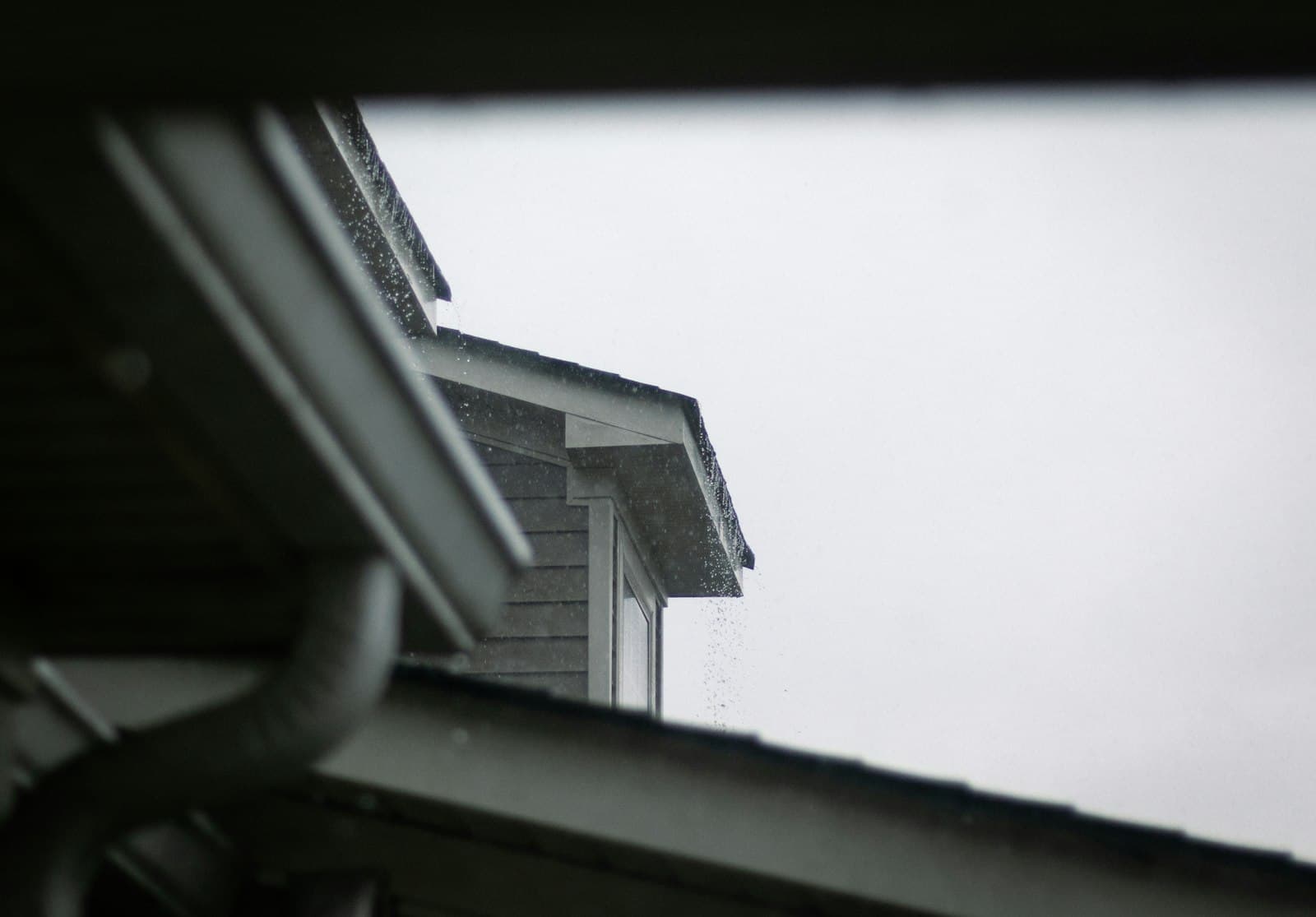
A roofline and gutter system under a grey sky
Photo: Miles Smith on Unsplash

The short answer

A typical Maine basement waterproofing job runs about $6,850 to $13,500. Maine doesn't license waterproofing companies, so the contract and warranty carry the weight. Maine CDC finds radon problems in at least a quarter of tested homes in every part of the state, so test before you seal or finish a basement, and ask the town's plumbing inspector about sump discharge.

State license
None for waterproofing companies in Maine
Radon
At least 25% of tested homes in any part of Maine have radon problems (Maine CDC)
Typical job
About $6,850 to $13,500 (Maine calculator default)
Typical cost
$6,850 – $13,500
Tracked on Tavlee
19 waterproofing contractors in Greater Portland

Wet basements in Maine come from a few familiar sources: spring snowmelt that sends water against fieldstone foundations, a high water table on sandy lots, roof runoff dumped right at the wall, and the occasional heavy rain that overwhelms everything. A waterproofing contractor will offer to stop the water. In Maine, a good one will also ask about the other thing that comes up from the ground: radon.

Why does every Maine basement need a radon answer first?

Because radon is not a regional problem here. The Maine CDC's radon FAQ says that at least 25% of the homes tested in any part of the state have radon problems, and puts it bluntly: "It doesn't matter if you're in Kittery or Madawaska, Eastport or Jackman." The worst problems turn up in homes built on sand and gravel rather than on ledge.

That matters for waterproofing in two ways. First, many of the same cracks and gaps that let water in let soil gas in, and sealing them changes how air moves in the basement. Second, a perimeter drain and a sump pit, the standard waterproofing system, are also the backbone of the most common radon mitigation design. A contractor who installs a drain and an open sump pit with no cover, in a house with a high radon reading, has missed an easy chance to do both.

So test first. You can do the test yourself, and the CDC says that's allowed for an owner or occupant. A tester working for someone else must be registered with the state, and at a sale an independent registered tester is required.

Should the basement be tested before it's finished?

Yes, and before the waterproofing contract is signed. A finished basement in Windham or Brunswick with drywall over the foundation walls is far harder to fix if a later test finds high radon. With the walls open, a mitigation contractor can run a pipe from under the slab and out with little disruption.

Tell your waterproofing contractor the radon result, and ask:

  • Will the sump pit have a sealed, airtight lid?
  • Can the perimeter drain be connected to a mitigation fan later?
  • Will any wall membrane leave a path for soil gas to be drawn off?

If the contractor doesn't understand the questions, consider a company that does both kinds of work, or have a radon contractor review the plan.

Where can the pumped water go?

A sump pump has to send water somewhere, and that is partly a local question. Maine doesn't license waterproofing companies, but a sump discharge tied into a drain line, a sewer or a septic system is plumbing, and in Maine plumbing is permitted through the town's Licensed Plumbing Inspector. Groundwater pumped into a septic system adds load the system wasn't designed for, so ask before anyone connects to it.

The common answer is a discharge line to daylight, well away from the foundation and not toward a neighbor's lot or a road. In winter, that line can freeze. Ask how the contractor will protect it, whether it has an overflow outlet near the house, and what happens when the outside end is buried under three feet of snow in Fort Fairfield or Orono.

Before the job, ask the town office whether the planned discharge needs a permit. It's a five-minute call.

Inside drain or outside excavation?

Interior systems, a drain channel cut into the slab along the walls with a sump, are the most common answer and the least disruptive. Exterior excavation, which digs the foundation out to apply a membrane and a footing drain, is often the better fix on a fieldstone or block wall but can cost much more and disturb landscaping, steps and walks.

Any exterior excavation is digging under Maine's Dig Safe law, and the excavator has to give notice in the window 23 M.R.S. §3360-A sets: a minimum of three business days before the work, and not earlier than thirty calendar days before it. Ask the contractor to confirm who places the call and when.

Before paying for either, look at what the gutters and grading are doing. A downspout that empties at the foundation of a house in Auburn or Lewiston can put hundreds of gallons against the wall in one storm. Big rain and snowmelt events are what reveal the weak spots; the NWS office in Gray issues flood and storm warnings for most of the state.

What happens to the sump when the power goes out?

A sump pump is only useful while it runs, and in Maine the power tends to fail during exactly the storms that fill the pit: a spring nor'easter with heavy rain on melting snow, or an ice storm that brings lines down for days. Ask the contractor what backup they offer and what it costs:

  • a battery backup pump in the same pit, and how many hours it can run
  • a high-water alarm that sounds, or sends a text, when the main pump can't keep up
  • a second pump on a separate circuit in a basement that floods often
  • an inlet for a generator, which is electrical work for a licensed electrician

Ask also how often the pump should be tested and replaced, and whether the warranty requires a service visit. A pump that sits idle through a dry summer and then seizes in April is a common failure. A simple test, pouring a bucket of water into the pit each spring and fall, catches most of them.

What should a waterproofing warranty actually promise?

Waterproofing companies sell on warranties, often "lifetime" ones. Read the document, not the brochure:

  • What is covered. Water through the walls only, or also through the floor, around windows and at the wall-floor joint?
  • What you must do. Annual service visits, a working sump, a backup battery?
  • Transferability. Does it pass to a buyer if you sell? Is there a fee?
  • The remedy. Does the company only come back to fix the system, or does it cover damage to finished space?

In Maine the contract itself also carries a warranty for work above $3,000: the Home Construction Contracts Act requires a clause promising work free of faulty materials, built to the applicable code and done skillfully (10 M.R.S. §1487). That statutory clause is in addition to whatever the company offers.

How should a waterproofing job be priced and paid?

The Maine calculator default for a typical waterproofing job is about $6,850 to $13,500; the Maine waterproofing cost estimate explains what it assumes. Interior drains on a straightforward slab sit lower; exterior excavation, ledge and long runs sit higher.

Because jobs this size are well above $3,000, Maine requires a signed written contract and limits the first payment to a third. A contractor who leaves the required terms out of a covered contract risks a finding of an unfair trade practice under §1490. Waterproofing salespeople sometimes push same-day signing with a discount; take the contract home, compare it with another bid from a contractor in Sanford, Old Town or wherever you live, and read the warranty first. As the Attorney General's page notes, no state license stands behind these companies, so the paper does.
What does basement waterproofing cost in Maine?

Most waterproofing projects in Maine run $6,850 – $13,500. Adjust the estimate for your job in the waterproofing contractor cost guide.

Top-rated waterproofing contractors in Greater Portland

These are the strongest waterproofing contractors on the evidence: reviews and public mentions weighed across sources, every claim linked to where it was found. Rankings can't be bought.

R.F Masonry & Builders work photo

R.F Masonry & Builders

150-year-old basement fully re-pointed4.0

Mainers work photo

Mainers

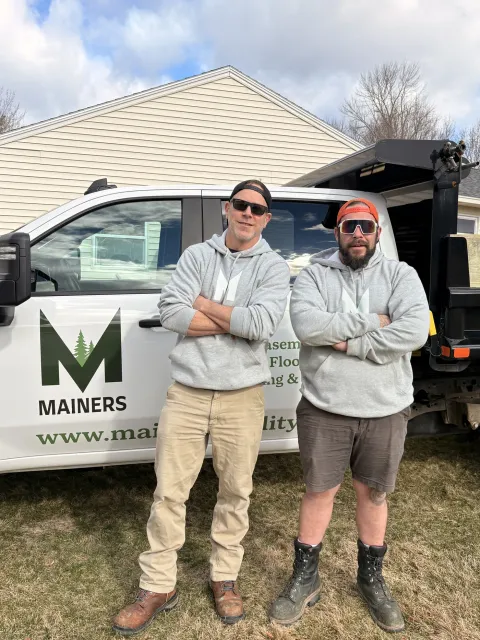
Sump pump and basement drain installs3.8

DiMillo Construction work photo

DiMillo Construction

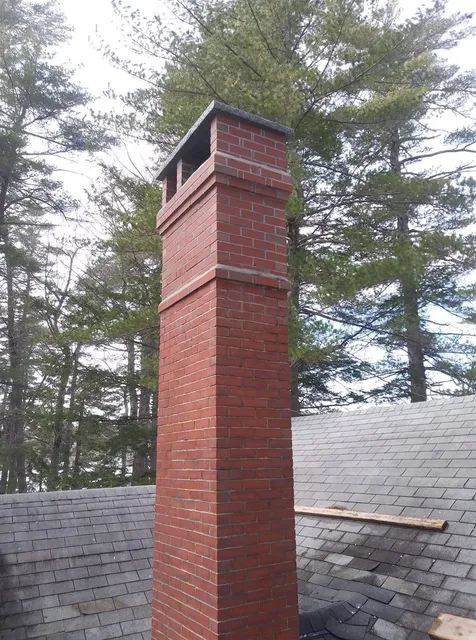
Chimney rebuild matched to an antique cape3.8

See all 19 waterproofing contractors in Greater Portland

Hiring waterproofing contractors in Maine: your questions

Do waterproofing contractors in Maine need a license?
Maine does not license or register general contractors; the Home Construction Contracts Act (10 MRS 1487) requires a written contract, signed by both sides, for any home-construction or repair job over $3,000, and limits the down payment to one-third of the contract price.
How much does basement waterproofing cost in Maine?
Maine's calculator default for a typical waterproofing job is about $6,850 to $13,500. An interior perimeter drain with a sump sits in that range; excavating outside the foundation, especially through ledge or under a deck, costs considerably more.
Why is there radon in my basement?
Radon is a gas that comes from the ground under the house. Maine CDC says homes on sand and gravel tend to have worse problems than homes on ledge, but at least a quarter of tested homes in every region have a radon problem.
Does a sump pump discharge need a permit?
It can. Where the water goes is a local question, and tying a sump into a drain or sewer can involve the town's Licensed Plumbing Inspector. Ask the town office before the pump is installed.
Should I test for radon before finishing a basement?
Yes. Test before you seal walls or put up drywall, because a mitigation system is easier to install in an open basement. A waterproofing membrane and sealed sump can be built to work with one.

Sources

  • Maine CDC: radon FAQ
  • Maine Attorney General: home construction and repair
  • 23 M.R.S. §3360-A: Dig Safe
  • 10 M.R.S. §1487: home construction contracts
  • 10 M.R.S. §1490: violations
  • National Weather Service, Gray, Maine

More guides

In other states: Greater Boston · North Shore · Greater Worcester · South Shore · Cape Cod · Western Massachusetts · New Hampshire · Connecticut · Vermont · Greater Providence

Other trades in Maine: Plumbers · Electricians · HVAC Contractors · Roofers · General Contractors · Bathroom Remodelers · Kitchen Remodelers · Window, Siding & Gutter Contractors · Fence Contractors · Landscapers · Painters · Handymen · Carpenters · Flooring Contractors · Exterminators · Home Inspectors · Movers · House Cleaners · Pool Cleaners · Masonry Contractors

All Maine hiring guides →

  • Painters in Greater Portland
  • Waterproofing Contractors in Greater Portland
  • Handymen in Greater Portland
  • Carpenters in Greater Portland
  • Flooring Contractors in Greater Portland
  • Exterminators in Greater Portland
  • Home Inspectors in Greater Portland
  • Movers in Greater Portland
  • House Cleaners in Greater Portland
  • Pool Cleaners in Greater Portland
  • Masonry Contractors in Greater Portland
  • Waterproofing Contractors nearby

    • Waterproofing Contractors in Greater Boston
    • Waterproofing Contractors in Merrimack Valley
    • Waterproofing Contractors in North Shore
    • Waterproofing Contractors in MetroWest
    • Waterproofing Contractors in Greater Worcester
    • Waterproofing Contractors in South Shore
    • Waterproofing Contractors in Southeastern Massachusetts
    • Waterproofing Contractors in South Coast
    • Waterproofing Contractors in Cape Cod
    • Waterproofing Contractors in Greater Nashua
    • Waterproofing Contractors in Greater Providence
    • Waterproofing Contractors in Greater Springfield
    • Waterproofing Contractors in Greater Portland
    • Waterproofing Contractors in Greater Manchester
    • Waterproofing Contractors in The Berkshires
    • Waterproofing Contractors in Seacoast
    • Waterproofing Contractors in Lakes Region & Central NH
    • Waterproofing Contractors in Monadnock & Upper Valley
    • Waterproofing Contractors in North Country
    • Waterproofing Contractors in South County
    • Waterproofing Contractors in East Bay & Newport
    • Waterproofing Contractors in Greater Hartford
    • Waterproofing Contractors in Greater New Haven
    • Waterproofing Contractors in Fairfield County
    • Waterproofing Contractors in Eastern Connecticut
    • Waterproofing Contractors in Litchfield Hills
    • Waterproofing Contractors in Southern Maine
    • Waterproofing Contractors in Lewiston-Auburn & Western Maine
    • Waterproofing Contractors in Midcoast & Mid-Maine
    • Waterproofing Contractors in Bangor & Downeast
    • Waterproofing Contractors in Aroostook County
    • Waterproofing Contractors in Champlain Valley
    • Waterproofing Contractors in Central Vermont
    • Waterproofing Contractors in Northeast Kingdom
    • Waterproofing Contractors in Southern Vermont
    • Waterproofing Contractor cost in Greater Portland
    • Guide to hiring waterproofing contractors in Maine
    © 2026 Tavlee Inc. All rights reserved.AboutPress & MediaGuidesBlogPrivacyTermsSupport Center

    Ratings weighed across every source · state-license verified · citations you can open.